Australia: The Outback
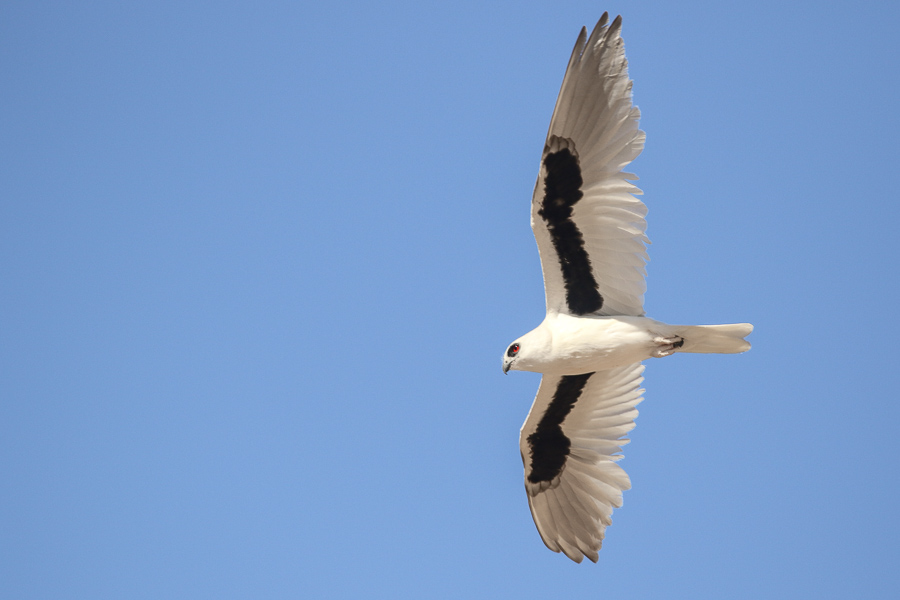
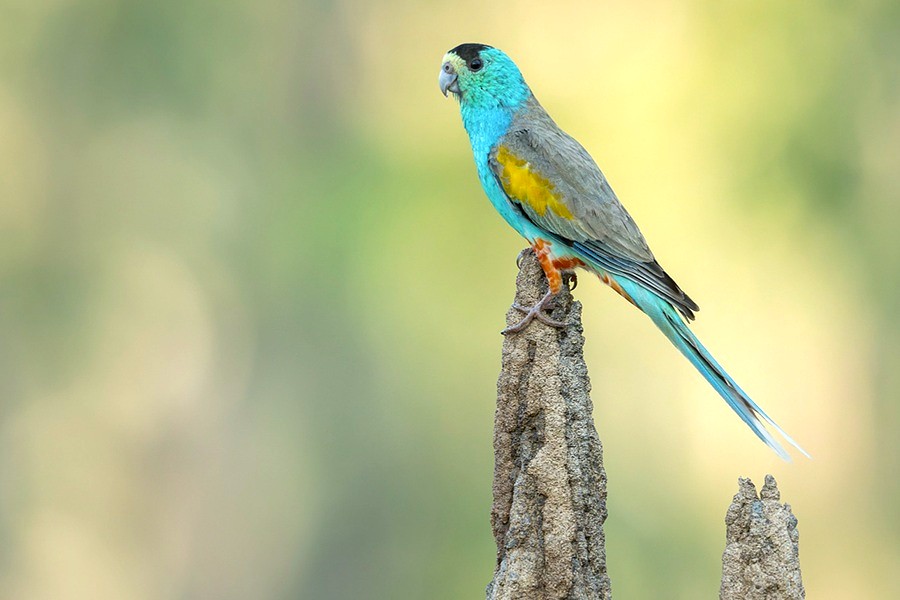
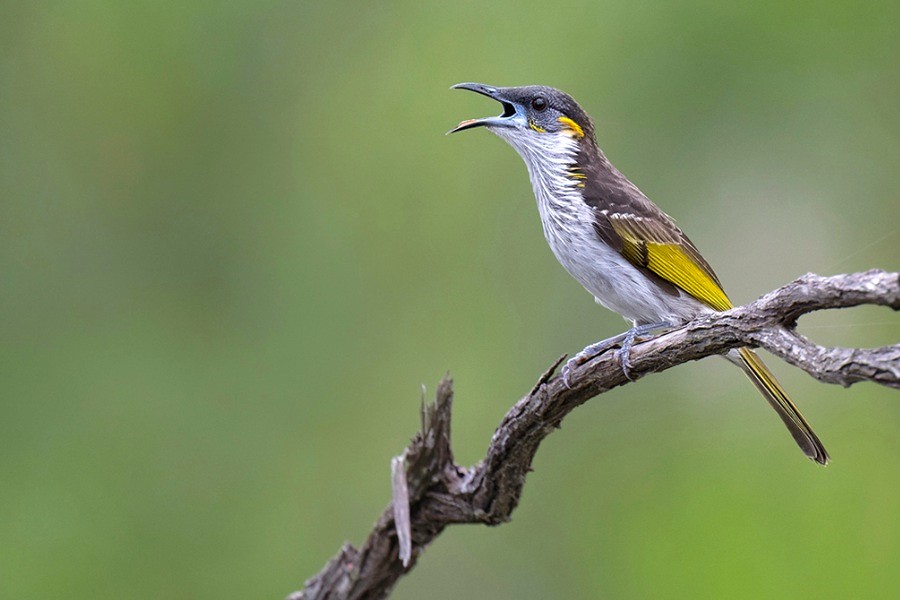
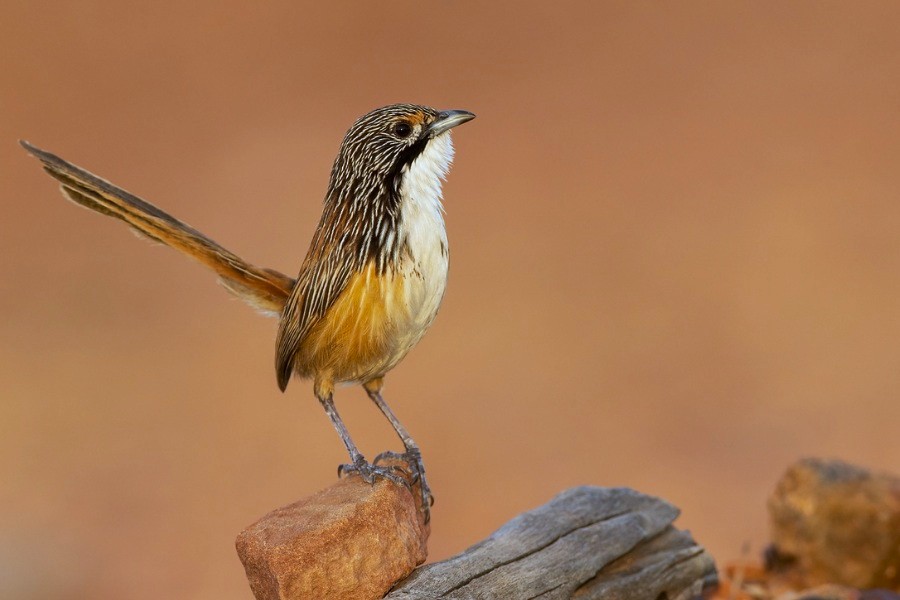
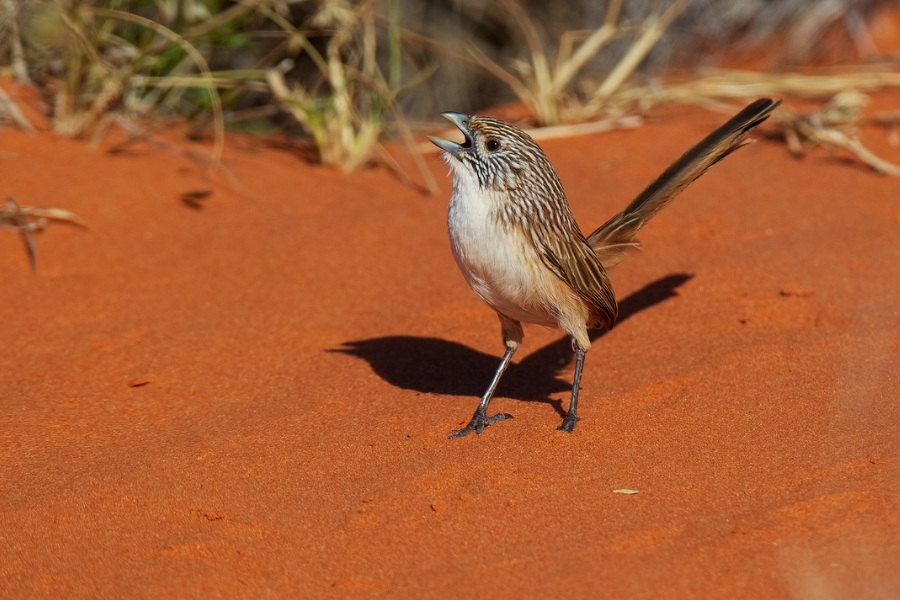
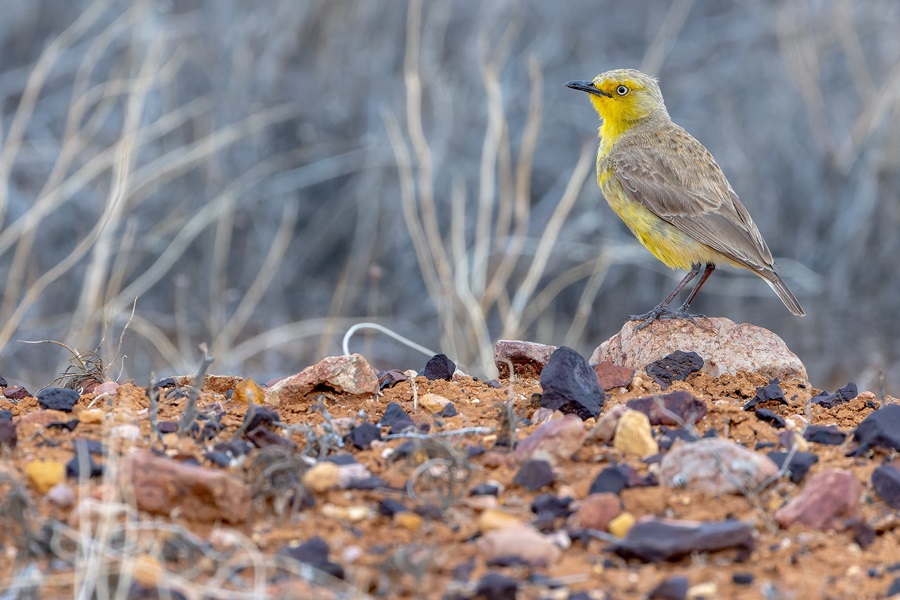
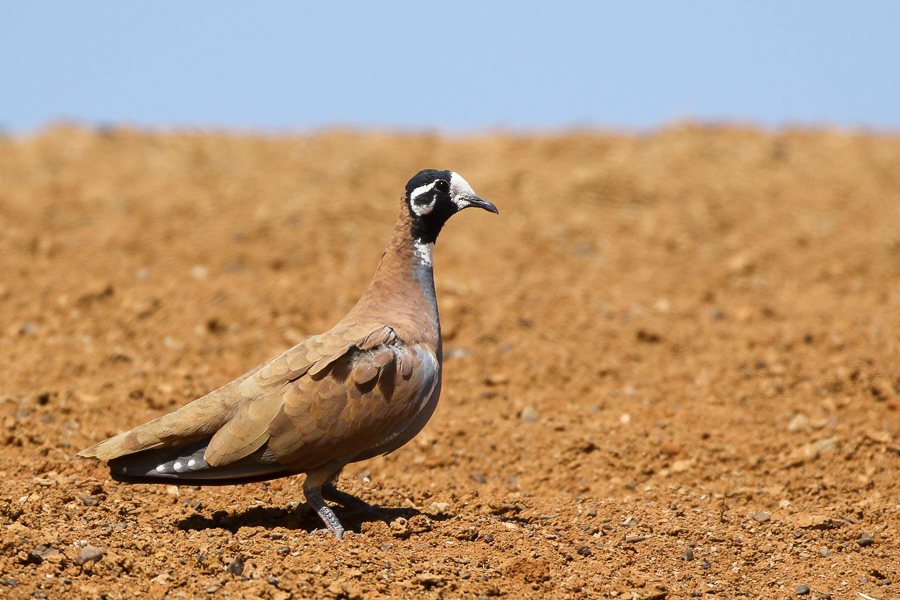
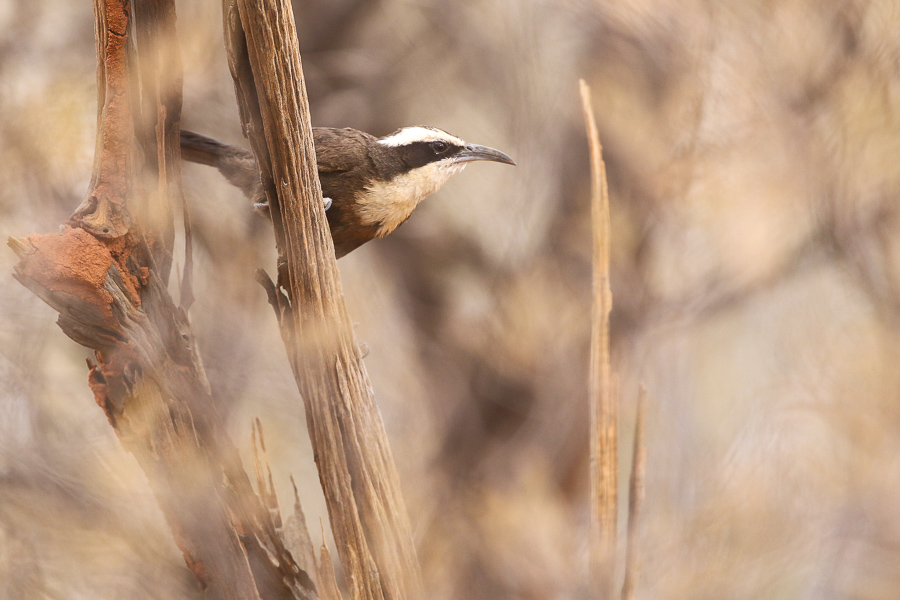
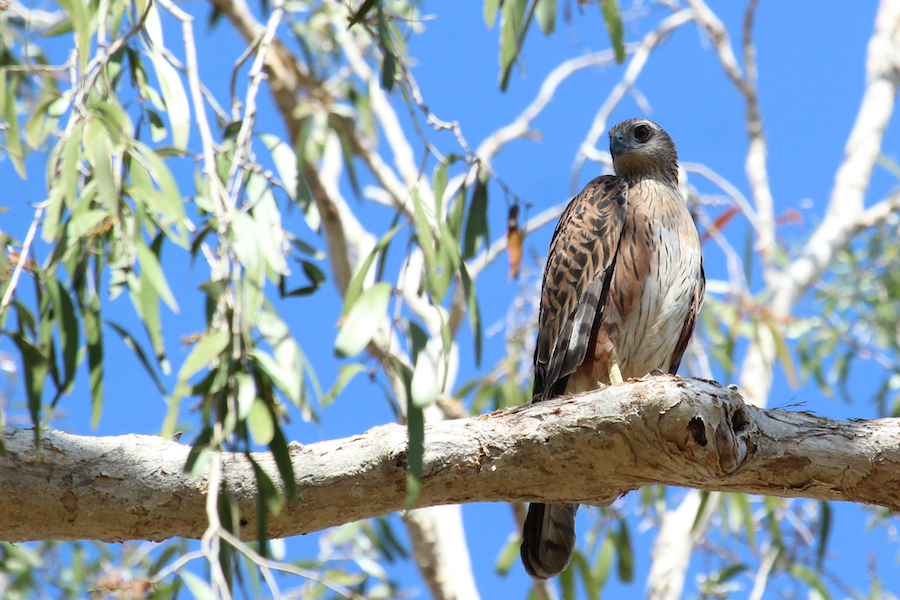
From Golden-shouldered Parrot, Red Goshawk and White-streaked Honeyeater in the woodlands of central Cape York, past Carpentarian Grasswren, Rufous-crowned Emuwren, and Pictorella Mannikin in the spinifex savannah around Mount Isa, all the way down to Letter-winged Kite, Grey Grasswren, and Gibberbird in the expansive Channel Country and remote Strzelecki Desert. We cover a huge portion of Queensland aiming to target so many of the truly out-of-the-way and tricky endemics that Australia has to offer. This is one of our flagship tours (we are an Australian company after all), perfectly designed with phenomenal birding experiences while showing you the remotest outback by 4WD.
Next Dates
12 September - 28 September 2027 (17 days)
Leaders:
Donna Belder
Group Size Limit:
6
Single Room Supplement: $
1600 USD
Deposit: $
1500 USD
Price: $
11900 USD
Add a Title
Leaders:
Donna Belder
Group Size Limit:
Add a Title
Single Room Supplement: $
TBD
Deposit: $
TBD
Price: $
TBD
Add a Title
We always use kitted-out 4WD vehicles carrying extra tires, fuel, and water, with very well-travelled Australian leaders who are used to remote outback adventures. Most importantly, numbers are restricted to maximum of three tour participants in each vehicle. This makes the very long drives much more comfortable, and allows intimate encounters with the birds! We operate with all tourism permits and the required government-approved insurance.
Accommodation:
All comfortable hotels. Possibly use of a shared bathroom for two nights at Portland Roads depending on availability of rooms.
Walking difficulty:
All easy, but sometimes walks through the desert for a kilometre or two are required to get close to some species.
Tour cost includes:
All accommodation, main meals, drinking water, internal flights (as stated in itinerary), overland transport, tips to local drivers and guides, travel permits, entrance fees, and guide fees.
Tour cost excludes:
Flights before and after the tour start/end, visa, travel insurance, tips to tour leaders, laundry, drinks, and other items of a personal nature.


NOTE: Unlike most birding itineraries in this region, we drive one-way into the Outback and end the tour with included flights out of Birdsville. This eliminates multiple days of backtracking along highways and gives us more time for birding.
Day 1: Arrivals into Cairns International Airport (CNS). We can usually find a few Bush Stone-curlew running around outside our hotel after dark!
Day 2: Departing early, we will work our way north. It's a long drive up the Peninsula Development Road towards Lockhart River, but we will keep an eye out for Magpie Goose and Black-breasted Buzzard along the way. Many of the rest stops we will use play host to the likes of Great Bowerbird and Blue-faced Honeyeater. On final approach we'll reach a few creek crossings on the west side of Kutini-Payamu National Park where we will be searching for one of the world's most beautiful honeyeaters (and a Cape York endemic), the White-streaked Honeyeater.
Day 3-4: Two full days in the remnant tract of ancient rainforest protected by the national park. In particular, the endemic Northern Scrub Robin and Frill-necked Monarch are our main quarries, along with three near-endemics rarely seen in New Guinea: Graceful Honeyeater, Tropical Scrubwren, and Black-eared Catbird. We will also be able to enjoy the intriguing purpureicollis Australian Brushturkey, brightly-coloured Noisy Pitta, and flocks of Lovely Fairywren.
A number of more widespread species also found in New Guinea can be seen, like Wompoo Fruit-Dove, Palm Cockatoo, Papuan Eclectus, Double-eyed Fig Parrot, Marbled Frogmouth, Yellow-billed Kingfisher, Forest Kingfisher, Yellow-legged Flyrobin, White-faced Robin, Yellow-breasted Boatbill, Fawn-breasted Bowerbird, Magnificent Riflebird, and Trumpet Manucode. It is sometimes possible to find Spotted Whistling Duck on accessible wetlands, while the beautiful Green Python can usually find one during a short spotlighting session.
Day 5: Returning south down the PDR, we will reach Musgrave by mid-afternoon. Just near our accommodation there is a nesting site for Australia's scarcest raptor, the stunning Red Goshawk. This species is near-impossible to see without a known nest, so we will be hoping that this year is one of their busy years. Woodlands here also hold Blue-winged Kookaburra, adscitus Pale-headed Rosella, Silver-crowned Friarbird, Little Friarbird, Yellow Honeyeater, Yellow-tinted Honeyeater, laetior Black-chinned Honeyeater, and leucotis Masked Finch.
Day 6: In the early morning, a short trip to Artemis Station will allow us to get up close and personal with the beautiful Golden-shouldered Parrot; this specially protected area is now one of the last haunts of this Endangered species. We should also see Red-winged Parrot, Banded Honeyeater, Red-browed Pardalote, and Black-backed Butcherbird. Our afternoon on the plains of nearby Rinyirru National Park will be focused on finding the stunning Star Finch and range-restricted Black-throated Finch, though we should also encounter Brolga, Sarus Crane, Australian Bustard, Australian Pratincole, Black-faced Woodswallow, Rainbow Bee-eater, and a lot more. If the grass is seeding, spotlighting can produce excellent views of Red-chested Buttonquail and Red-backed Buttonquail, while Eastern Grass Owl and Barking Owl are both a regular sight here.
Day 7: Depending on road conditions, the plan for today is flexible. If we have done well with our previously-mentioned targets, other possibilities include Red-tailed Black Cockatoo, Torresian Kingfisher, Red-headed Myzomela, Bar-breasted Honeyeater, Rufous-throated Honeyeater, Rufous-banded Honeyeater, and White-gaped Honeyeater. Numerous wetlands and billabongs which we pass should hold Australian waterfowl like Green Pygmy Goose, Radjah Shelduck, Plumed Whistling Duck, Comb-crested Jacana, Pied Heron, Plumed Egret, Royal Spoonbill, and more. Overnight back in Cairns.
Day 8: Another long day of driving towards the desert, but we'll stop for a few hours at Etty Bay and hope that one of the regular Southern Cassowary makes an appearance in the campground. During the afternoon, we expect to see nuermous groups of Squatter Pigeon by the roadside, along with many Apostlebird. Night in Hughenden.
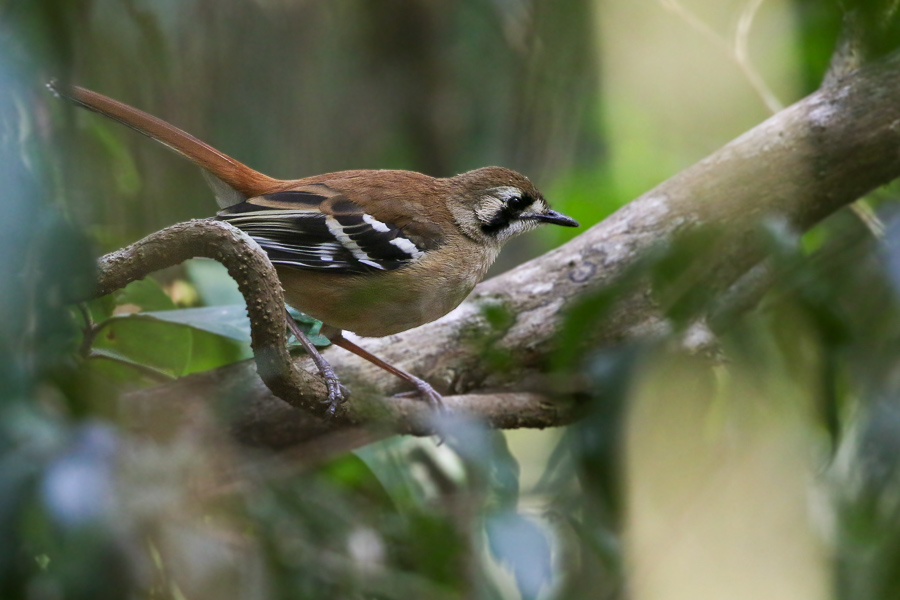
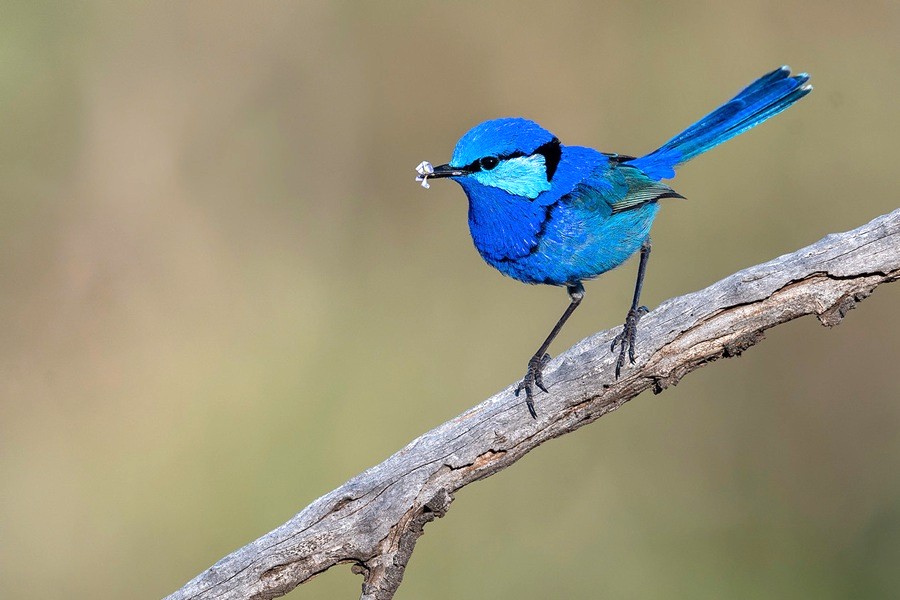
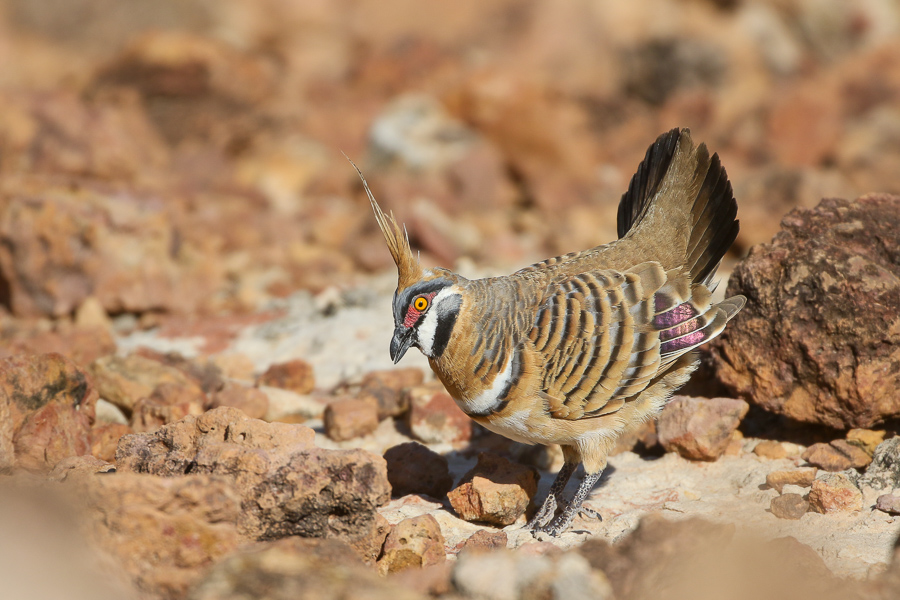
Day 9: Onwards across the barren blacksoil plains, sometimes playing host to Emu, Cockatiel, and Brown Songlark. The afternoon will be spent out in Bladensburg National Park, a lovely area of mulga-covered rocky mesas. Here, the range-restricted Hall's Babbler and Chestnut-breasted Quailthrush are fairly easy to see, along with our first arid zone birds like the incomparable Spinifex Pigeon, Splendid Fairywren, Grey-headed Honeyeater, Little Woodswallow, Zebra Finch, and more. This is as good a spot as any to look for Australian Owlet-nightjar, and maybe Spotted Nightjar after dark.
Day 10: Early in the morning we will be positioned in an expansive area of spinifex listening intently for the thin calls of Opalton Grasswren and Rufous-crowned Emuwren. We may see Crested Bellbird or Spinifexbird, and hopefully at dusk the elusive Grey Falcon will fly in to roost on his favourite radio tower. If not here, we have other chances in the coming week! Night in Winton.
Day 11: We will search around town this morning for flocks of Plum-headed Finch before putting luggage back in the car and departing towards the mining town of Mount Isa. Along the way, we'll make stops searching for Varied Lorikeet and "Cloncurry" Australian Ringneck. Any water sources from here on out have the potential to hold interesting species like Red-kneed Dotterel, Black-tailed Nativehen, Hoary-headed Grebe, and Pink-eared Duck. This evening, we'll have our first attempt at finding Kalkadoon Grasswren in the hills, along with Spotted Bowerbird, the spectacular Painted Finch, unpredictable Pictorella Mannikin, beautiful Long-tailed Finch, and the intriguing Purple-necked Rock-Wallaby. Night in Mount Isa.
Day 12: This is the morning for the threatened and highly range-restricted Carpentarian Grasswren, which we stand a good chance of finding in some remote woodland on the west side of the town. The area also holds Grey-fronted Honeyeater and Black-tailed Treecreeper. Later in the day we can explore other areas in search of any missing targets. Night in Mount Isa.
Day 13: An extra morning to search for anything we still need before driving south to Boulia, this tiny town a real gateway to the outback! This is often a good road on which to see Ground Cuckooshrike, though that one if never guaranteed. Night in Boulia.
Day 14: Car-based birding at its best, today we work south into the heart of the remote Channel Country. Crossing seemingly endless expanses of gibber plains, dotted with (typically dry) shrubby watercourses and no other landmarks in sight for hundreds of kilometres, it's hard to believe that this is the drainage basin which fills Lake Eyre. More importantly however, here is the realm of Letter-winged Kite, an amazing nocturnal raptor which is abundant in some years, and near-absent in others. Thankfully this region is the best area, and they are usually present!
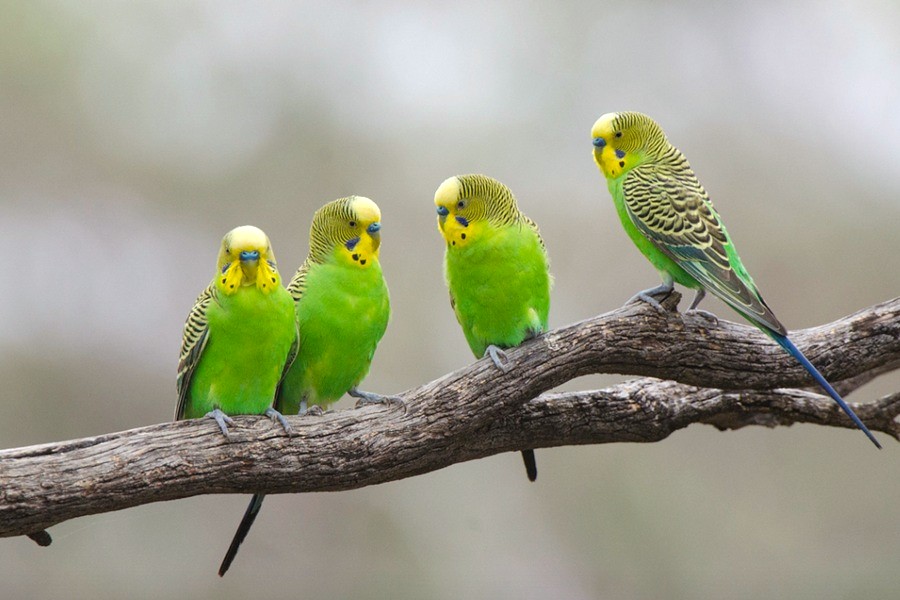
Depending on the amount of rainfall during months preceding the tour, we may see throngs of birds today, or just a few. Either way, targets will include Inland Dotterel, Banded Lapwing, Flock Bronzewing, Diamond Dove, Black Falcon, Budgerigar, White-winged Fairywren, Gibberbird, Crimson Chat, Orange Chat, Black Honeyeater, Pied Honeyeater, Cinnamon Quailthrush, and White-backed Swallow, amongst many more possibilites. Red Kangaroo dot the plains, while Wedge-tailed Eagle feed on any which have met their demise on the roadside. In the evening we'll arrive in Birdsville, and certainly visit the local watering hole for a beer or two with the locals. Night in Birdsville.
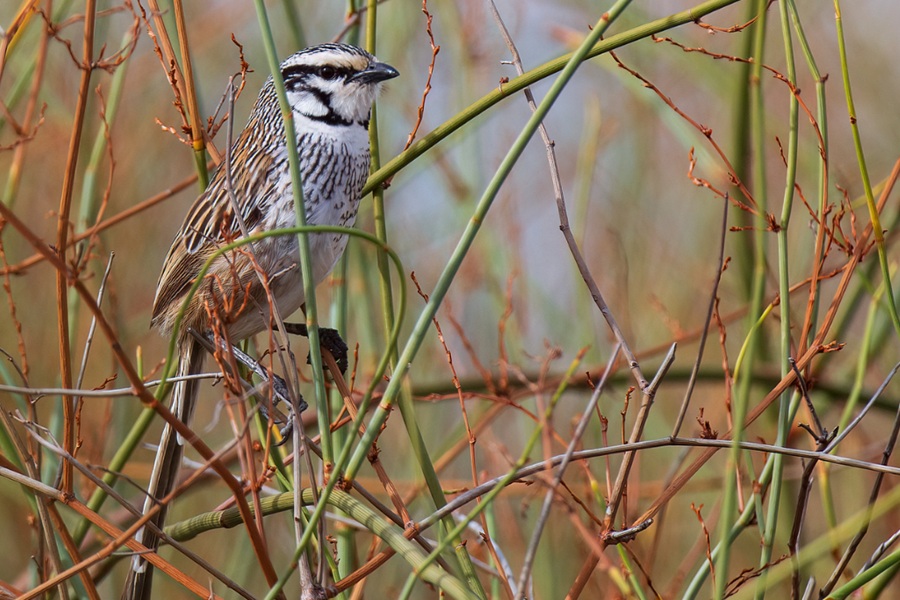
Day 15-16: Two full days to explore this remote corner of Australia, including sections of the Birdsville Track. Lying at the border of the Strzelecki and Simpson Deserts, we have more chances to see many of the species from previous days (particularly tricky ones like Grey Falcon). The stars of the show however are two excellent endemics: the lignum-loving Grey Grasswren and dune-loving Eyrean Grasswren. Depending on water levels and access, we may also be able to find Thick-billed Grasswren and Yellow Chat, though these can be somewhat unpredictable. Other new species will include Red-backed Kingfisher and Banded Whiteface, plus we will search more for any of the missing desert species mentioned previously. Nights in Birdsville.
Day 17: The tour ends this morning with a flight from Birdsville to Brisbane International Airport (BNE).
NOTE: We can provide detailed advice on where to look for any birds or mammals around Brisbane and Cairns at either end of the tour. Some difficult specialties which might be of interest and not always seen on general birding tours to Queensland are Black-breasted Buttonquail, Albert's Lyrebird, and Mangrove Honeyeater, in addition to a number of more common Wet Tropics and East Coast endemics.