Brazil: Far South
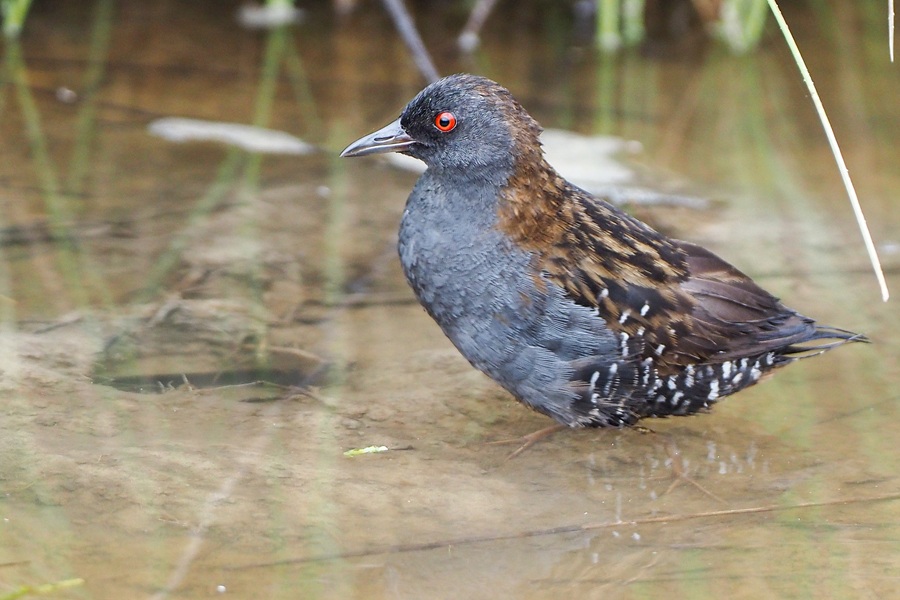
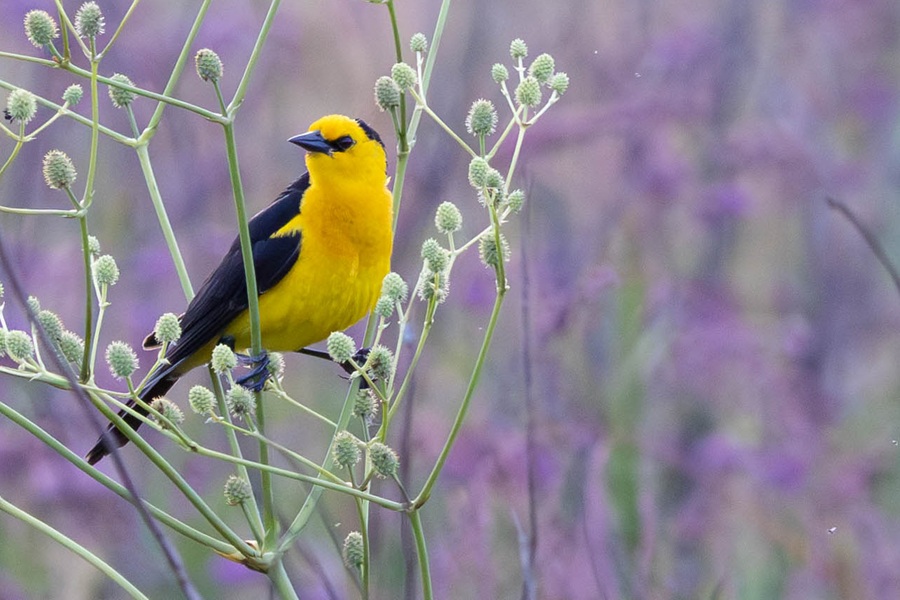
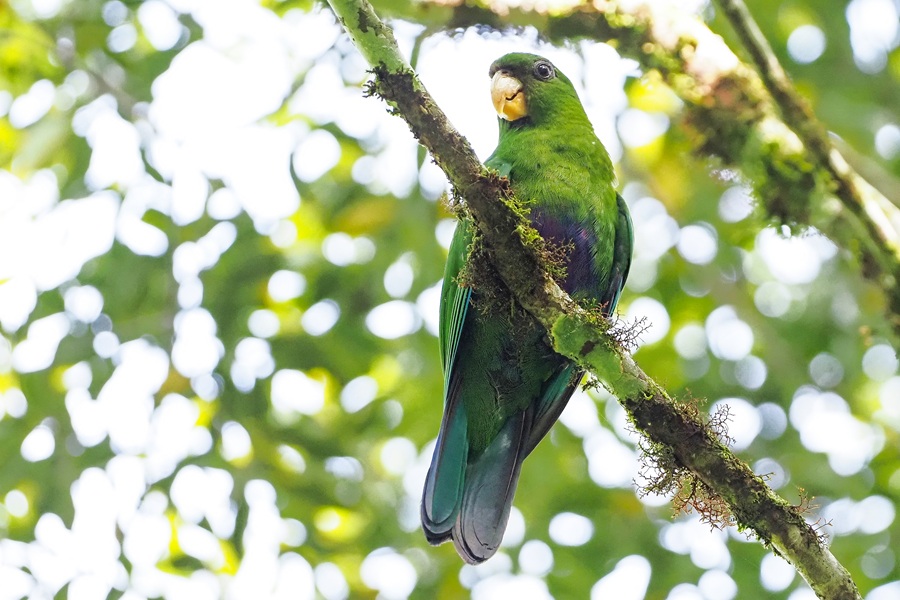
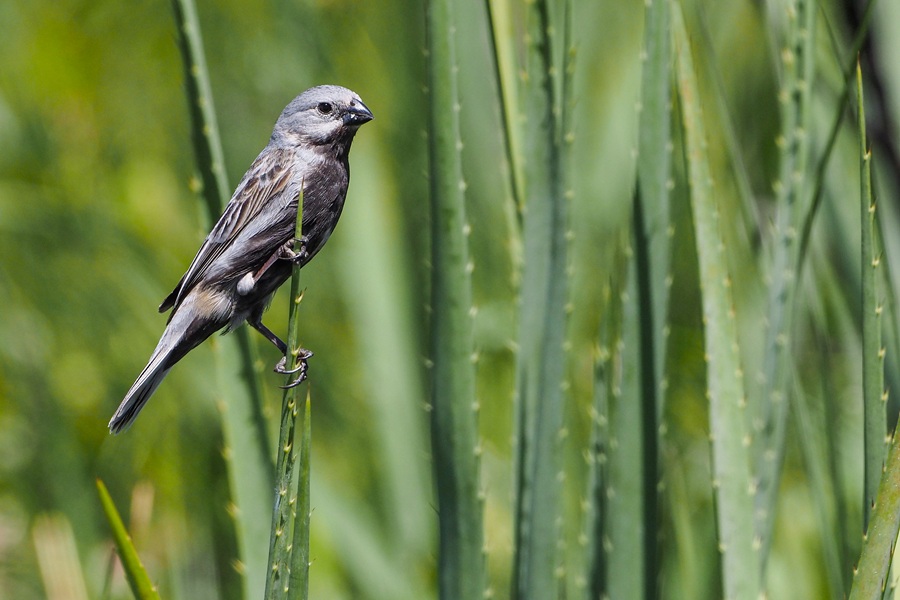
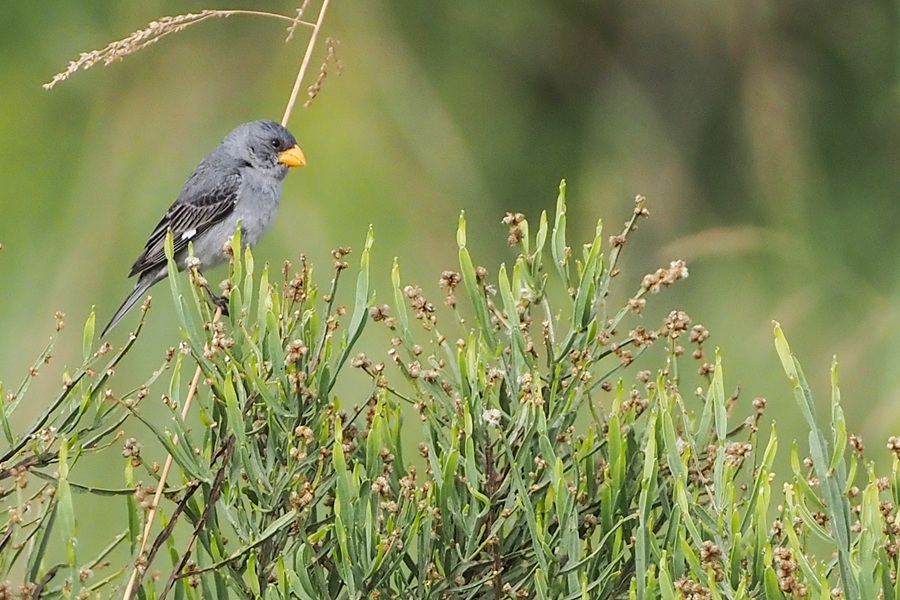
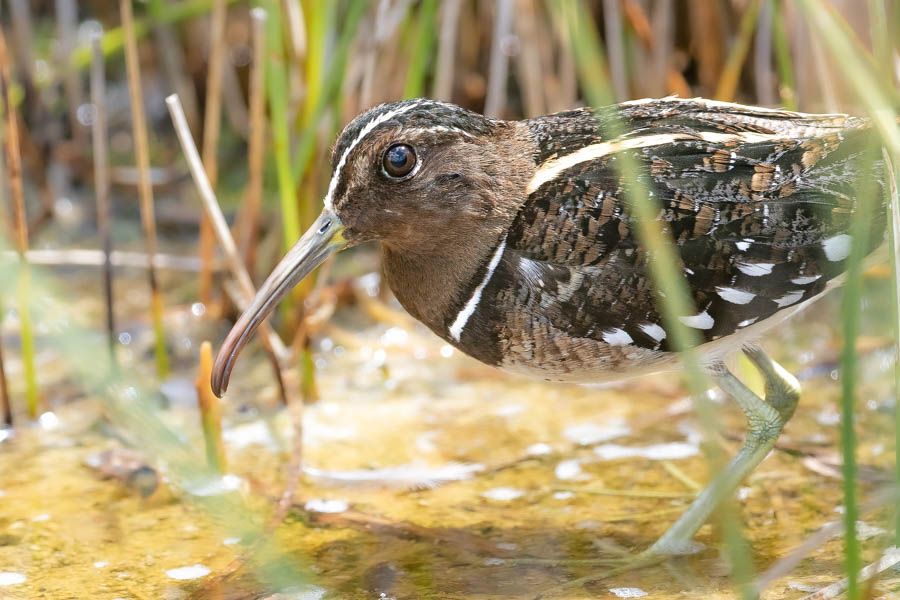
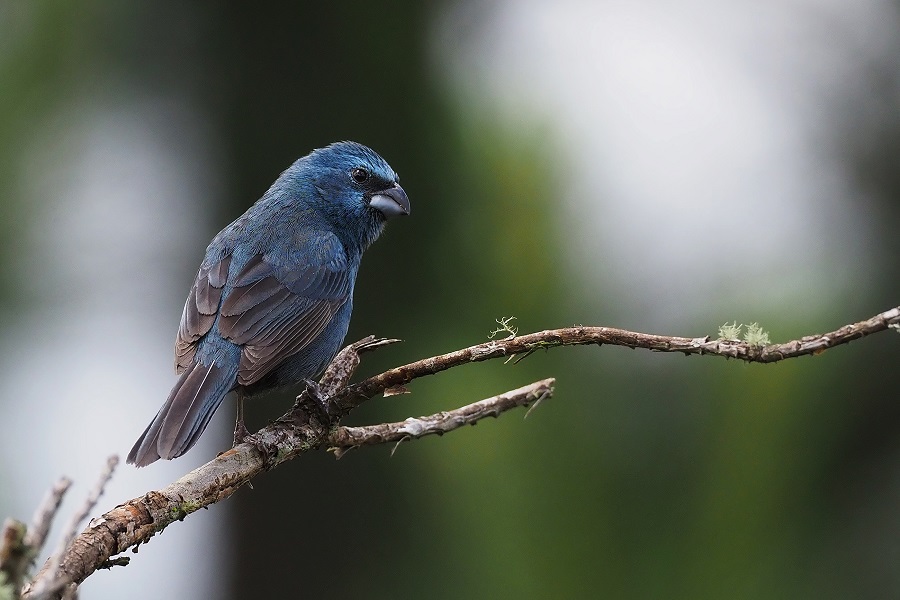
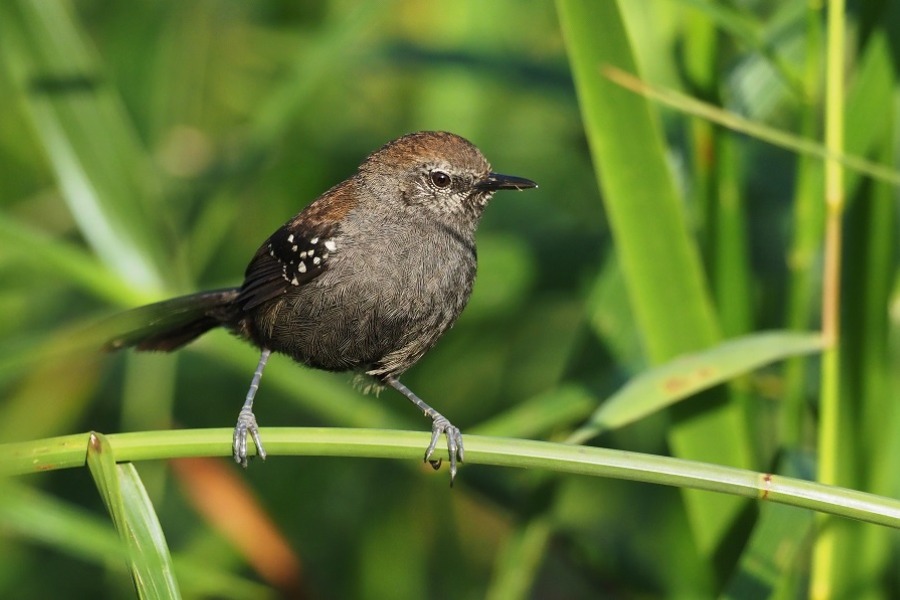
This tour covers the endemics and near-endemics of Brazil’s south-eastern border. Moving from the lush coastal Atlantic Forest to the impressive woodlands and grasslands of the Araucaria Plateau before visiting the amazing Lagoa do Peixe National Park, this region feels somewhat like a coastal Pantanal! Highlights include Scaled Chachalaca, Sickle-winged Nightjar, South American Painted Snipe, Dot-winged Crake, Mottled Piculet, Blue-bellied Parrot, Red-tailed Amazon, Canebrake Groundcreeper, Straight-billed Reedhaunter, Marsh Antwren, Black-headed Berryeater, Kaempfer’s Tody-Tyrant, Creamy-bellied Gnatcatcher, Glaucous-blue Grosbeak, Chestnut-backed Tanager, Black-backed Tanager, Saffron-cowled Blackbird, Scarlet-headed Blackbird, plus the rare Tropeiro and Black-bellied Seedeaters.
Next Dates
27 November - 10 December 2026 (14 days)
Leaders:
Eduardo Patrial
Group Size Limit:
6
Single Room Supplement: $
400 USD
Deposit: $
750 USD
Price: $
6100 USD
Add a Title
Leaders:
Eduardo Patrial
Group Size Limit:
Add a Title
Single Room Supplement: $
TBD
Deposit: $
TBD
Price: $
TBD
Add a Title
20 November - 3 December 2027 (14 days)
Leaders:
Eduardo Patrial
Group Size Limit:
6
Single Room Supplement: $
400 USD
Deposit: $
750 USD
Price: $
6300 USD
Add a Title
Leaders:
Eduardo Patrial
Group Size Limit:
Add a Title
Single Room Supplement: $
TBD
Deposit: $
TBD
Price: $
TBD
Add a Title
20 November - 3 December 2028 (14 days)
Leaders:
Eduardo Patrial
Group Size Limit:
6
Single Room Supplement: $
400 USD
Deposit: $
750 USD
Price: $
6300 USD
Add a Title
Leaders:
Eduardo Patrial
Group Size Limit:
Add a Title
Single Room Supplement: $
TBD
Deposit: $
TBD
Price: $
TBD
Add a Title
Accommodation:
Comfortable hotels throughout.
Walking difficulty:
Mostly easy roadside birding with short forays onto forest trails or into marshy flats.
Tour cost includes:
All accommodation, main meals, drinking water, internal flights (as stated in itinerary), overland transport, tips to local drivers and guides, travel permits, entrance fees, and guide fees.
Tour cost excludes:
Flights before and after the tour start/end, visa, travel insurance, tips to tour leaders, laundry, drinks, and other items of a personal nature.
.jpg)
Day 1: Arrivals into Curitiba International Airport (CWB). Birding Araucaria forest and marshes in the evening near Borda do Campo to have our first attempts at the scarce Glaucous-blue Grosbeak, along with Canebrake Groundcreeper, Grey-throated Warbling Finch, and Long-tufted Screech Owl. Night in São José dos Pinhais.
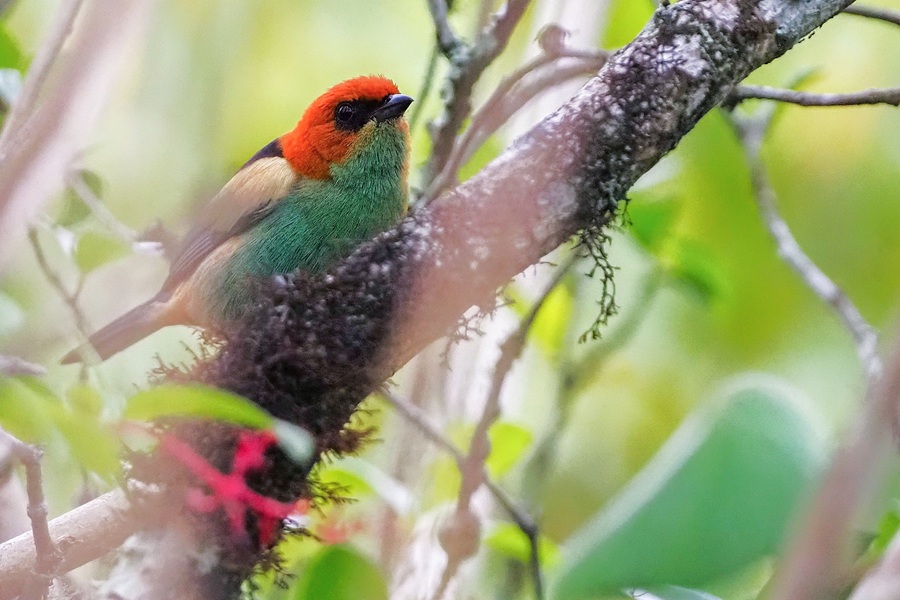
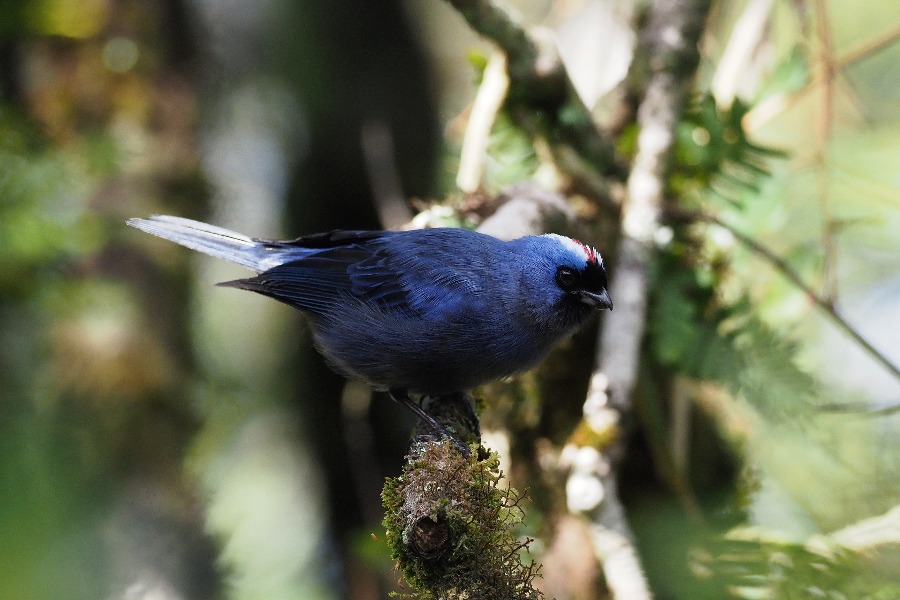
Day 2: Morning of forest birding near Borda do Campo in search of Mottled Piculet, Olive Spinetail, Hooded Berryeater, Bare-throated Bellbird, Scalloped Woodcreeper, Dusky-tailed Antbird, Speckle-breasted Antpitta, Diademed Tanager, Brassy-breasted Tanager, Chestnut-backed Tanager, and several other Atlantic Forest endemics. In the afternoon, we will keep birding montane forest at Serra da Gaciosa, looking for Slaty Bristlefront, Brazilian Ruby, Scale-throated Hermit, Bertoni’s Antbird, the superb Giant Antshrike, Large-tailed Antshrike, White-browed Foliage-gleaner, Rufous-tailed Attila, Pin-tailed Manakin, Brown-breasted Bamboo Tyrant, and others. In the afternoon, we transfer to Antonina for a two-night stay. Night in Antonina.
Day 3: Full day of birding in the gorgeous and well-protected foothills of Serra do Mar near Antonina, a true birding hotspot. Beauties include Yellow-legged Tinamou, Black-headed Berryeater, Festive Coquette, White-necked Hawk, Robust Woodpecker, Saffron Toucanet, Spot-billed Toucanet, Crescent-chested Puffbird, Unicoloured Antwren, Scaled Antbird, Black-cheeked Gnateater, Rufous-capped Antthrush, Restinga Tyrannulet, Bay-ringed Tyrannulet, Eye-ringed Tody-Tyrant, Russet-winged Spadebill, Atlantic Royal Flycatcher, Buff-throated Purpletuft, Azure Jay, and Black-backed Tanager. Although rare, we also have chances here for Helmeted Woodpecker, Atlantic Royal Flycatcher, and Buff-throated Purpletuft. We will be checking a Stygian Owl day roost in the town and trying for Black-capped Screech Owl in the evening. Night in Antonina.
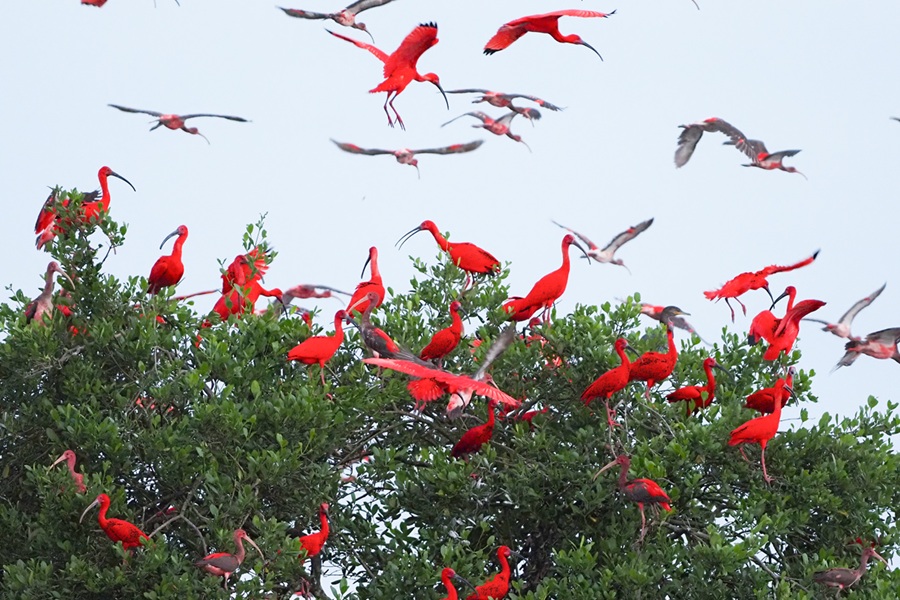
Day 4: Morning in Antonina in search of missing species before transferring to Pontal do Sul. Anafternoon boat trip in the Bay of Paranaguá will see us search for Rufous Crab Hawk, enjoy stunning flocks of Scarlet Ibis, and observe the endemic Red-tailed Amazon descending onto their largest known roosting site. Navigating through the mangrove channels may also produce Estuary Dolphin. Dinner at a local brewery with very good pizza! Night in Pontal do Sul.
Day 5: Moving into the state of Santa Catarina for a morning visit to Volta Velha Reserve, new birds may include Scaled Chachalaca, the localised Kaempfer’s Tody-Tyrant, and the threatened “Parana” Marsh Antwren. There are more chances for tricky ones like Yellow-legged Tinamou, White-necked Hawk, and Robust Woodpecker, while new species might include Black-capped Foliage-gleaner, White-browed Treehunter, White-breasted Tapaculo, Three-striped Flycatcher, Long-billed Wren, and Red-necked Tanager. We will also try our best for two very difficult specialties here: Russet-winged Spadebill and Silky-tailed Nightjar. Night at Volta Velha.
Day 6: Early morning birding at Volta Velha if necessary. For the most of morning, we should visit the the pretty hills of Vila da Glória, where we can look for Mantled Hawk, the uncommon Buff-bellied Puffbird, Rusty-breasted Nunlet, Tufted Antshrike, Spotted Bamboowren, Cinnamon-vented Piha, Oustalet’s Tyrannulet, East Brazilian Pygmy Owl, and sometimes, on bamboo seeds, the uncommon Temminck’s and Buffy-fronted Seedeaters. Late morning drive south-west to the picturesque hills around Rio dos Cedros for birding and overnight. In the afternoon, we will be birding good forest patches at around 700 m altitude, mainly to find the uncommon Atlantic Forest endemic Creamy-bellied Gnatcatcher. Night in Rio dos Cedros.
Day 7: Early morning of forest birding around Rio dos Cedros. Besides Creamy-bellied Gnatcatcher, we will also search in this area for Chestnut-headed Tanager and Blackish-blue Seedeater. Later, we continue driving south to reach the scenic little town of Urupema in the fascinating Araucaria region. We will visit some cloud forest at 1600m with dense bamboo and open bushy fields to look for the endemic Long-tailed Cinclodes, the southern populations of Serra do Mar Tyrannulet and Bay-chested Warbling Finch, plus Sharp-tailed Streamcreeper, Rufous-tailed Antthrush, Speckle-breasted Antpitta, Greenish Tyrannulet, and Mouse-coloured Tapaculo. We have additional chances here for Large-tailed Anthshrike and Giant Antshrike, two species we do not want to miss! After dark, Rusty-barred Owl is possible in the grounds of the lodge. Night near Urupema.
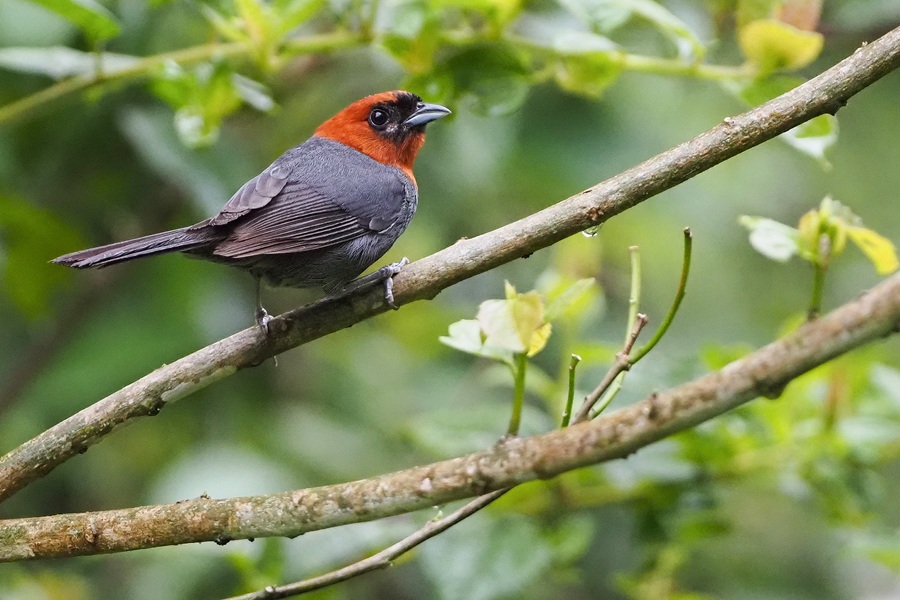
Day 8: By our rooms at dawn we should see both Araucaria Tit-Spinetail and Striolated Tit-Spinetail. The fruit feeder is frequented by beauties like Chestnut-backed Tanager, Red Tanager, Blue-and-yellow Tanager, Thick-billed Saltator, and eventually the much-wanted Blacksmith Thrush should appear. Nearby woodlands hold Vinaceous-breasted Amazon and Planalto Tapaculo, then later in the morning we can check some grasslands for Red-legged Seriema, the stunning Black-and-white Monjita, Crested Black Tyrant, Lesser Grass Finch, Long-tailed Reed Finch, the endemic Black-bellied Seedeater, and if we are lucky, even the rare Chaco Eagle.
Later, we will transfer south to Vacaria in the state of Rio Grande do Sul. Remnant marshes near our hotel are still home to several threatened species, including Marsh Tapaculo, Freckle-breasted Thornbird, Straight-billed Reedhaunter, Sharp-tailed Grass Tyrant, and Black-bellied Seedeater. The major highlight however will be after dark, when we track down the tiny and poorly-known Sickle-winged Nightjar. Night in Vacaria.
Day 9: Arriving at Canyon Palanquinhos in the mid-morning, we will search for the recently-described endemic Tropeiro Seedeater and the more widespread Tawny-bellied Seedeater. This is a good area to see both Sooty Swift and Biscutate Swift, along with others like Red-winged Tinamou, Spotted Nothura, Mottled Piculet, Olivaceous Elaenia, and Planalto Tyrannulet. This evening sees us cover more grassland habitats in search of the uncommon Saffron-cowled Blackbird, Hellmayr's Pipit, and with luck, the rare Ochre-breasted Pipit. We also have more chances for Straight-billed Reedhaunter and Black-bellied Seedeater if needed. At sunset we will visit a roost site of the threatened Red-spectacled Amazon. Overnight in São Francisca de Paula.
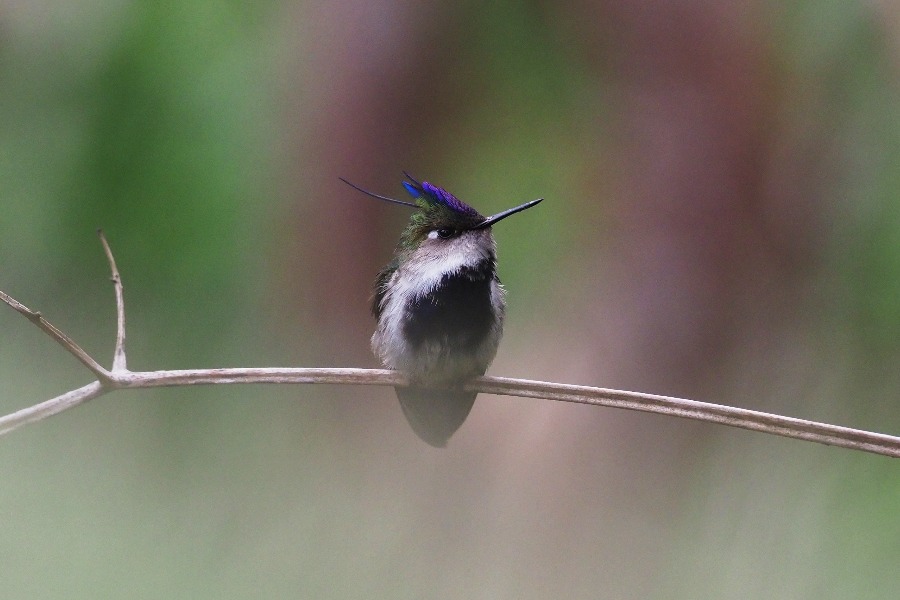
Day 10: Our full day around São Francisco de Paula is sure to be busy, but rewarding! In the morning we can target Vinaceous-breasted Amazon again if needed before entering some more impressive Araucaria Forest. Our main target birds include the endemic Blue-bellied Parrot and rare Black-capped Piprites, among many other great Atlantic Forest birds such as Purple-crowned Plovercrest, Pileated Parrot, Rufous-breasted Leaftosser, Grey-bellied Spinetail, Sharp-billed Treehunter, Scalloped Woodcreeper, White-throated Woodcreeper, Short-tailed Antthrush, Variegated Antpitta, White-bearded Bellbird, Rough-legged Tyrannulet, Green-chinned Euphonia, and others. In the afternoon, we will have time to search for the amazing Swallow-tailed Cotinga plus Black-and-rufous Warbling Finch. Night birding includes more chances for both Rusty-barred Owl and Long-tufted Screech Owl, plus attempts for the poorly-known Buff-fronted Owl and uncommon Long-trained Nightjar. Night in São Francisco de Paula.
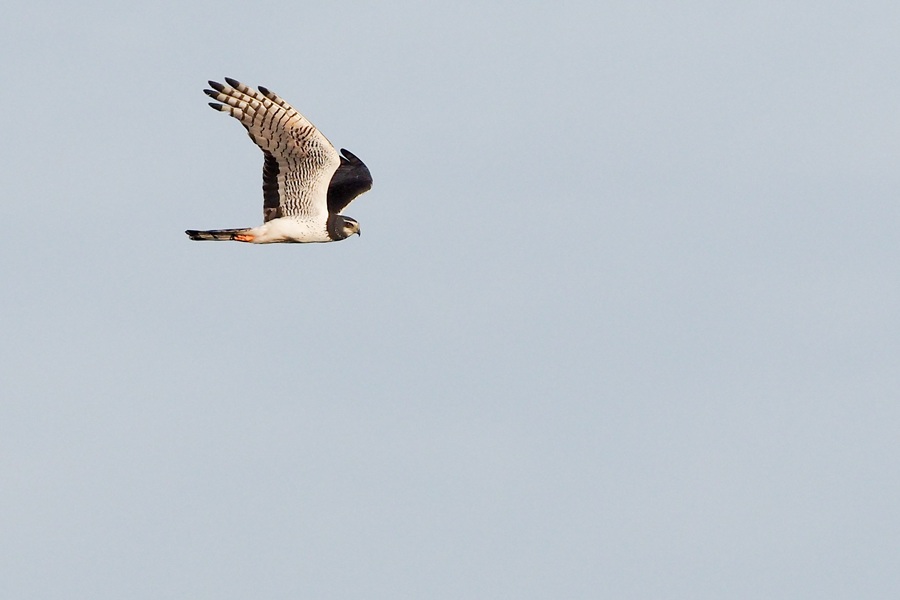
Day 11: Leaving São Francisco early in the morning to enter the rich and very birdy zone of the coastal Pampa. Our first birding stop at a coastal habitat in Nova Tramandaí will see us target the tiny and uncommon Crested Doradito. This site offers good birding and we expect to see our first Southern Screamer, Long-winged Harrier, Firewood-gatherer, Wren-like Rushbird, White Monjita, Tawny-headed Swallow, Brown-and-yellow Marshbird, Chestnut-capped Blackbird, and lovely Red-crested Cardinal. Quick stops after lunch near Cidreira can provide Giant Wood Rail, Silver Teal, and Glaucous-blue Grosbeak if still needed.
Heading further south along the narrow strip of land between the coast and the large Lagoa dos Patos, we finally reach the little town of Mostardas. This tranquil area combines water, reeds, marshes, open grassland, woodland, and spectacular sunsets! This is our first chance for the coveted South American Painted Snipe, along with the uncommon Ringed Teal, Plumbeous Ibis, Pantanal Snipe, Spotted Rail, Snail Kite, Many-colored Rush Tyrant, Short-billed Pipit, Masked Gnatcatcher, Scarlet-headed Blackbird, Rusty-collared Seedeater, and others. Expect an excellent seafood dinner to top off our first day in this fantastic area. Night in Mostardas.
Day 12: A full day in Mostardas to bird the impressive Lagoa do Peixe National Park. This magnificent hotspot is a very important stopover for migrant shorebirds in southern Brazil. The abundance of food and good conditions of habitats favour a rich local avifauna and a great site for birding. Amongst many highlights, some of our key targets include the shy Dot-winged Crake, Snowy-crowned Tern, restricted-range Hudson's Canastero, and skulking Bay-capped Wren-Spinetail. More widespread species could include Greater Rhea, White-tufted Grebe, Coscoroba Swan, Black-necked Swan, Red Shoveler, Rosy-billed Pochard, Buff-breasted Sandpiper, Hudsonian Godwit, Correndera Pipit, and others.
Our afternoon in a Pantanal-like marsh area of the national park will be an enjoyable birding session including Southern Screamer, Gilded Sapphire, Spot-flanked Gallinule, Giant Wood Rail, and Curve-billed Reedhaunter. Some additional species around include Pinnated Bittern, Maguari Stork, Pumbeous Rail, Chimango Caracara, Monk Parakeet, Spectacled Tyrant and several others. Night in Mostardas.
Day 13: More birding around Mostardas before a ferry transfer south to Rio Grande, where we will reach the coastal Praia do Cassino. Here, our main target birds will be Sulphur-bearded Reedhaunter and the threatened Marsh Seedeater. We also hope to find other interesting species such as Orange-breasted Thornbird, Warbling Doradito, Scarlet-headed Blackbird, and we have more chances for Hudson’s Canastero. Night in Praia do Cassino.
Day 14: Early morning birding at Cassino and Banhado do Maçarico, then transfer back to Porto Alegre Airport (POA) where tour ends in the afternoon.