
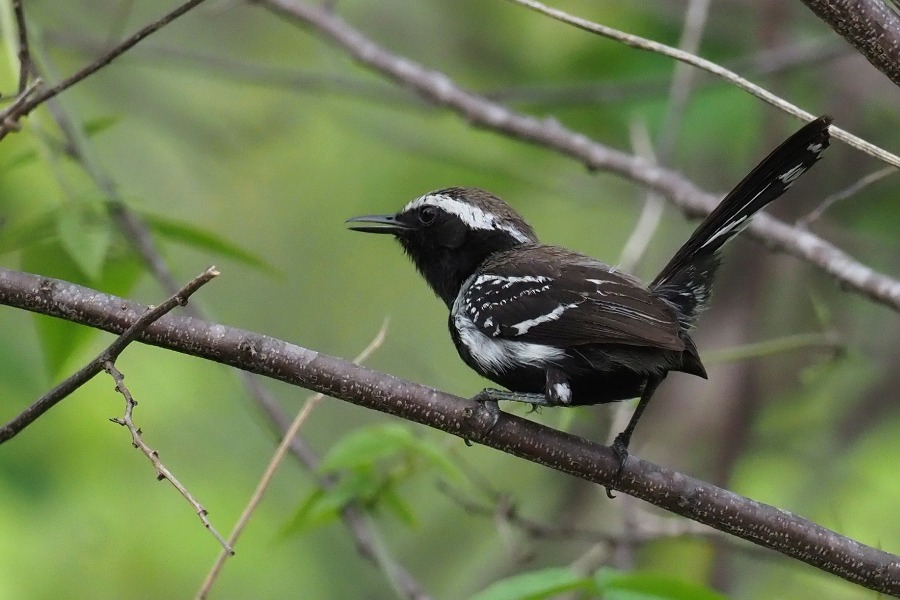
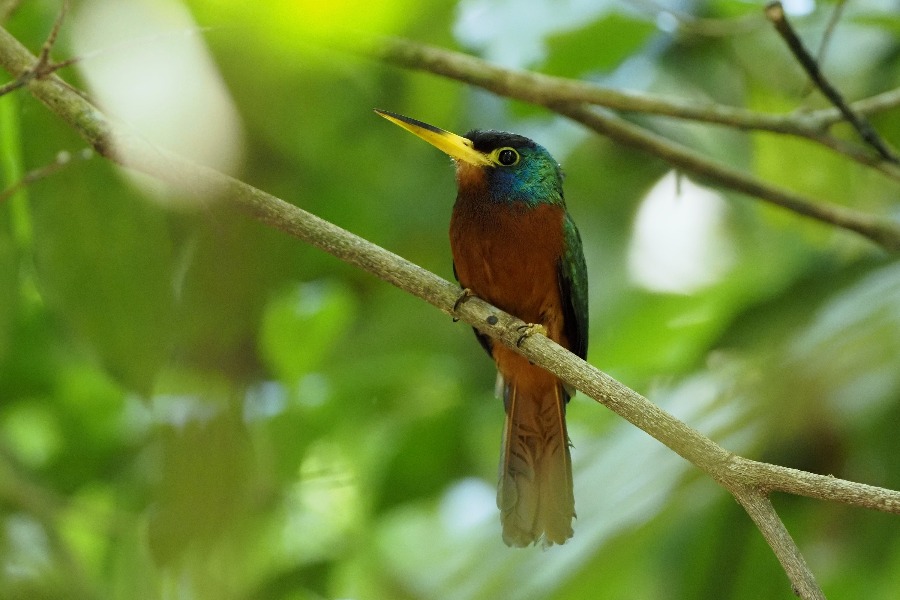

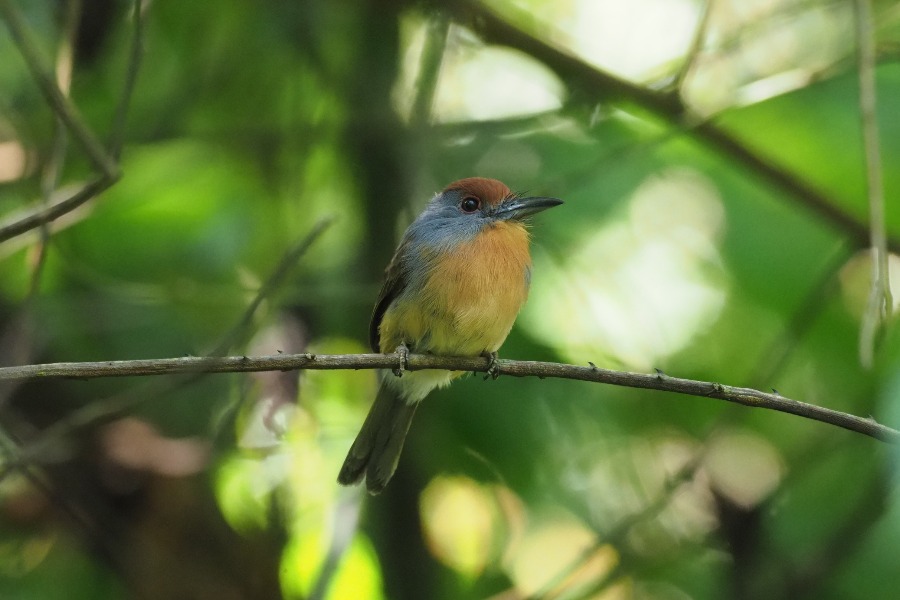

Brazil: Mato Grosso & Guaporé
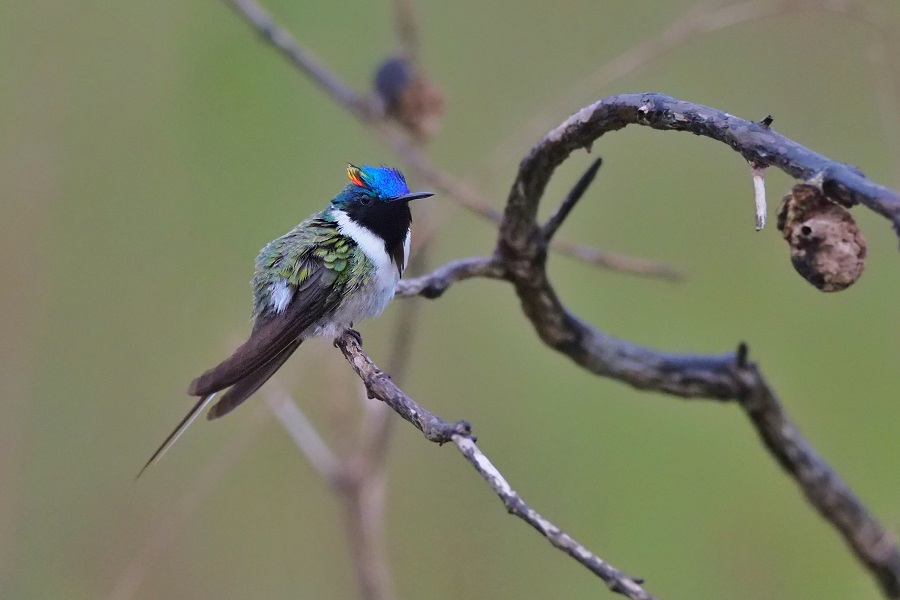
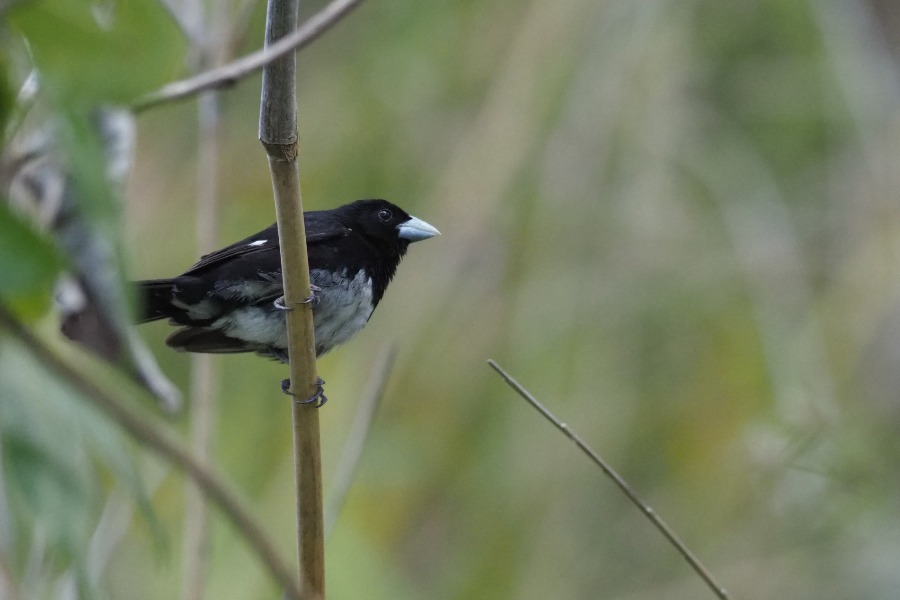
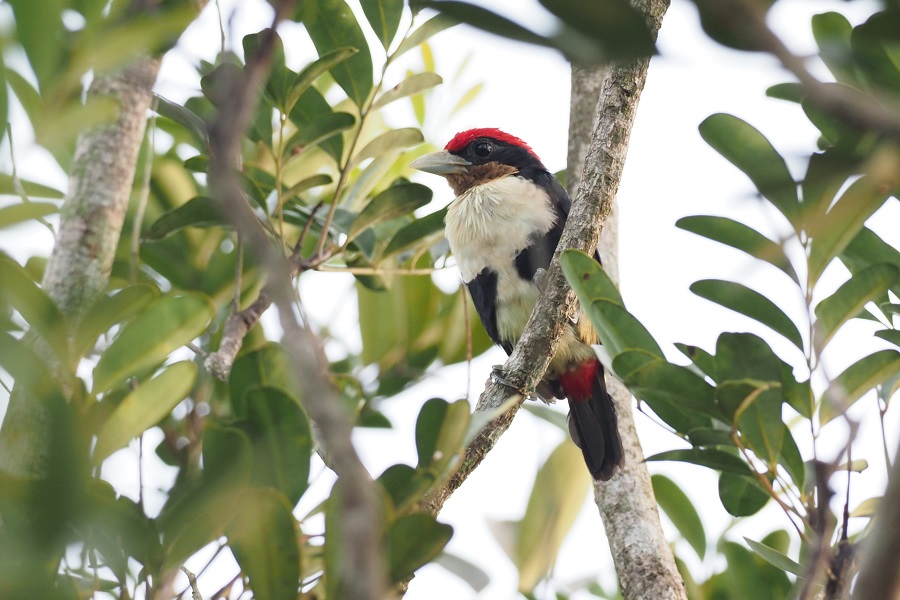
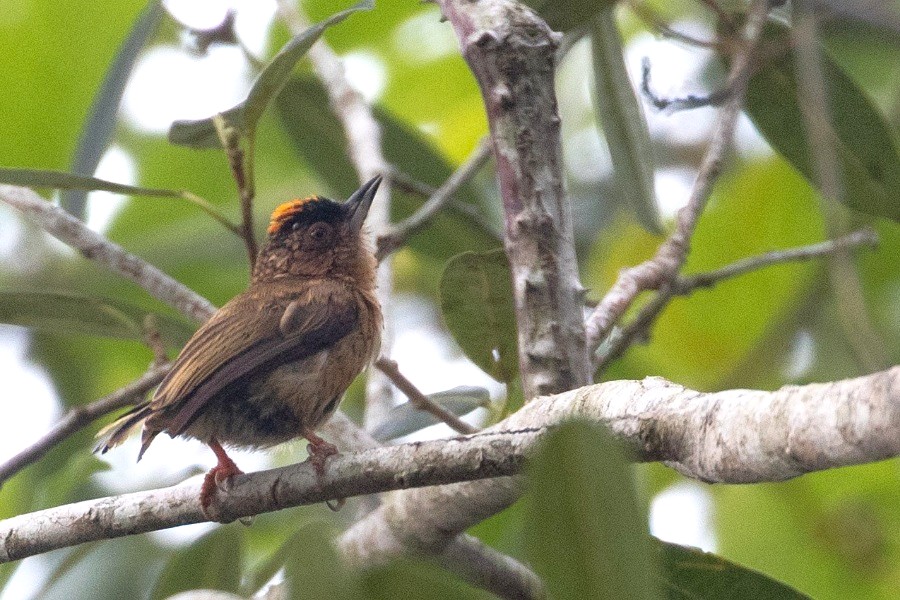
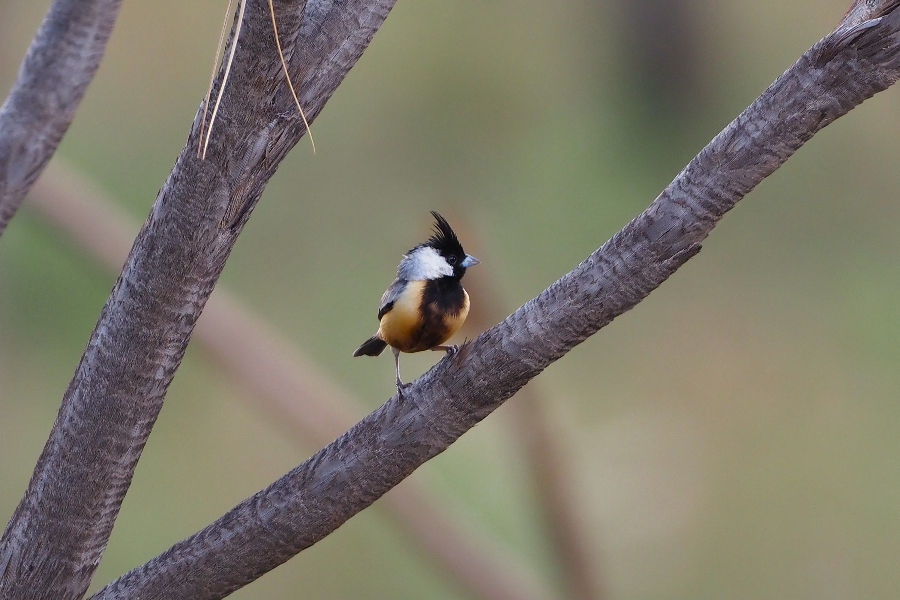
Covering three major biomes, we sample the Pantanal, Amazon and Cerrado. This region is absolutely full of birds, and out visits to various canopy towers and feeders will only help to make this tour forever-memorable! From highly range-restricted birds like Rusty-necked Piculet, Black-and-tawny Seedeater, and Cone-billed Tanager, to specialties like Dot-eared Coquette, Horned Sungem, Black-girdled Barbet, and Hyacinth Macaw. Not to mention excellent chances for some Amazonian favourites like Orinoco Goose, Razor-billed Curassow, Pompadour Cotinga, and Amazonian Umbrellabird. Our optional extension almost completely guarantees exceptional Jaguar encounters on a famous boat cruise out of Porto Jofre.
Next Dates
4 May - 15 May 2027 (12 days)
Leaders:
Eduardo Patrial
Group Size Limit:
6
Single Room Supplement: $
600 USD
Deposit: $
750 USD
Price: $
6500 USD
15 May - 17 May 2027 (3 days)
Leaders:
Eduardo Patrial
Group Size Limit:
6
Single Room Supplement: $
200 USD
Deposit: $
750 USD
Price: $
1100 USD
Jaguar Extension
4 May - 15 May 2028 (12 days)
Leaders:
Eduardo Patrial
Group Size Limit:
6
Single Room Supplement: $
600 USD
Deposit: $
750 USD
Price: $
6600 USD
15 May - 17 May 2028 (3 days)
Leaders:
Eduardo Patrial
Group Size Limit:
6
Single Room Supplement: $
200 USD
Deposit: $
750 USD
Price: $
1100 USD
Jaguar Extension
Accommodation:
Comfortable to luxurious hotels and lodges throughout.
Walking difficulty:
Mostly easy roadside and trail birding, with several excellent river cruises.
Tour cost includes:
All accommodation, main meals, drinking water, internal flights (as stated in itinerary), overland transport, tips to local drivers and guides, travel permits, entrance fees, and guide fees.
Tour cost excludes:
Flights before and after the tour start/end, visa, travel insurance, tips to tour leaders, laundry, drinks and other items of a personal nature.





Day 1: Arrival at Cuiabá International Airport (CGB), the capital of Mato Grosso state. Transfer to the nice Pousada Piuval in the Pantanal from Poconé, at the beginning of the Transpantaneira Road. The Pantanal is a truly astounding wildlife destination, so we include two nights at one of its best birding spots. The enchanting avifauna of this place shall make itself apparent in our first afternoon of exploration around the lodge, where we look forward to encountering Greater Rhea, Bare-faced Curassow, Red-legged Seriema, the massive Jabiru, Hyacinth Macaw, and so much more. Some of our main targets and range-restricted birds at Piuval include Chestnut-bellied Guan, White-fronted and Pale-crested Woodpeckers, Mato Grosso Antbird, Black-bellied Antwren, Grey-crested Cacholote, White-lored Spinetail, and Great Rufous Woodcreeper. Night at Piuval.
Day 2: This full day will continue our unforgettable experience in the Pantanal with so many birds to enjoy: Chaco Chachalaca, White-throated Piping Guan, Bare-faced Curassow, Southern Screamer, Nacunda Nighthawk, Great Horned Owl, Sunbittern, Long-tailed Ground Dove, Chestnut-eared Aracari, Toco Toucan, White-wedged Piculet, Golden-collared Macaw, Helmeted Manakin, Planalto Slaty Antshrike, Rusty-backed Spinetail, Red-billed Scythebill, White-eyed Attila, Saffron-billed Sparrow, Orange-backed Troupial, and more. Sunset from a tower is always a highlight with loads of Jabirus, Wood Storks, Maguari Storks, Roseate Spoonbills, Nacunda Nighthawks, Turquoise-fronted Amazons, and others all flying off to roost.
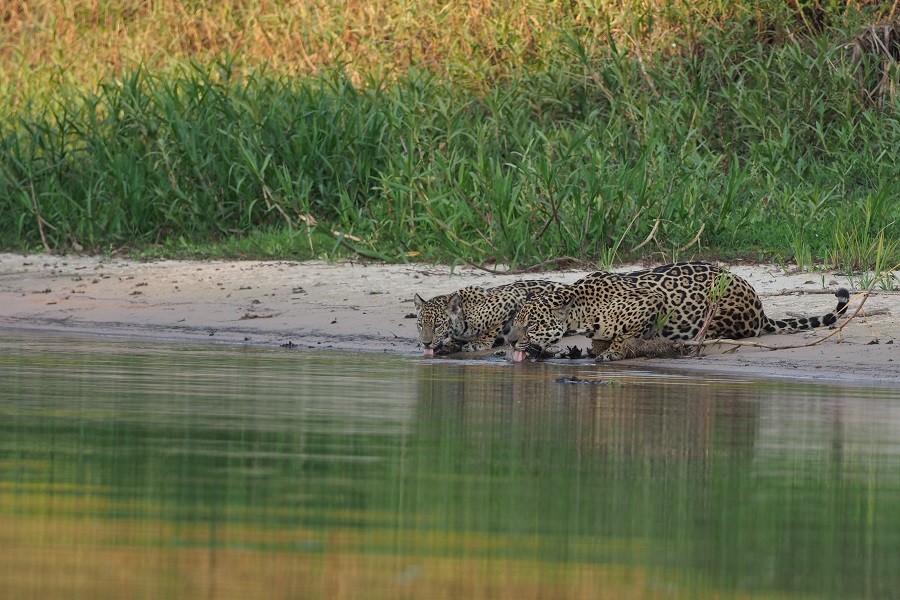
Mammals are always expected, and besides the large number of Greater Capybaras, we also hope to find Crab-eating Fox, South American Coati, Azara’s Capuchin, Black-tailed Marmoset, Black-and-gold Howler Monkey, Grey Brocket, Marsh Deer, and if we are lucky, Giant Anteater. Encounters with Jaguars at Piuval have become frequent in the last few years, which makes our safaris even more exciting. Additionally, spotlighting provides chances for Scissor-tailed Nightjar, Great Potoo, Mottled Owl, and Black-banded Owl. Night at Piuval.
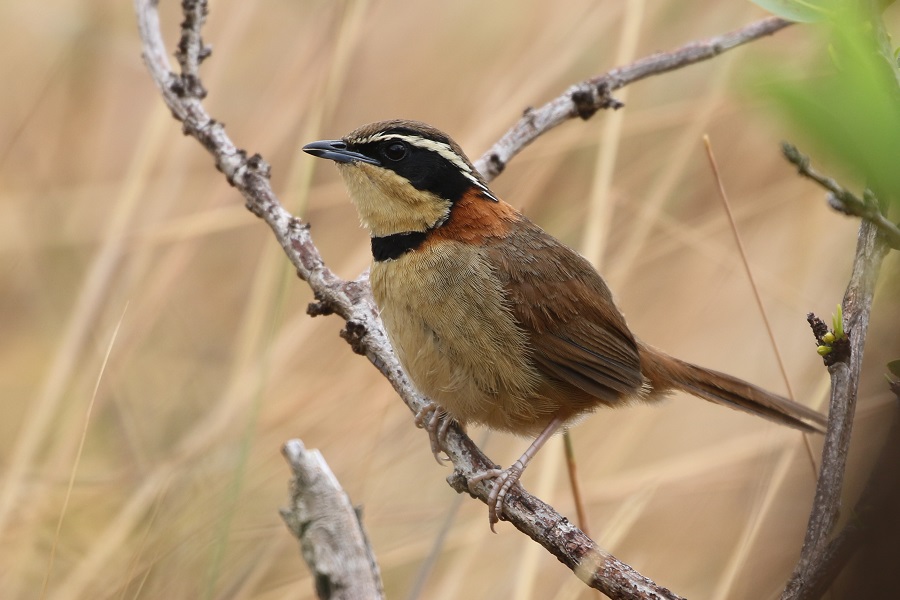
Day 3: We say goodbye to the Pantanal with a long drive to our next destination, the little town of Vila Bela da Santíssima Trindade, next to the Bolivian border in southwest Mato Grosso. Afternoon in typical Cerrado, where two regional specialties stand out in this beautiful habitat: the tiny Black-and-tawny Seedeater and the strongly patterned "Double-collared" Collared Crescentchest. Others to search for here include Horned Sungem, Long-tailed Ground Dove, Red-and-green Macaw, Peach-fronted Parakeet, White-eared Puffbird, Narrow-billed Woodcreeper, Rusty-backed Antwren, Chapada Flycatcher, Southern Scrub Flycatcher, Black-faced Tanager, White-rumped Tanager, Plumbeous Seedeater, and the uncommon Coal-crested Finch. Night at Vila Bela.
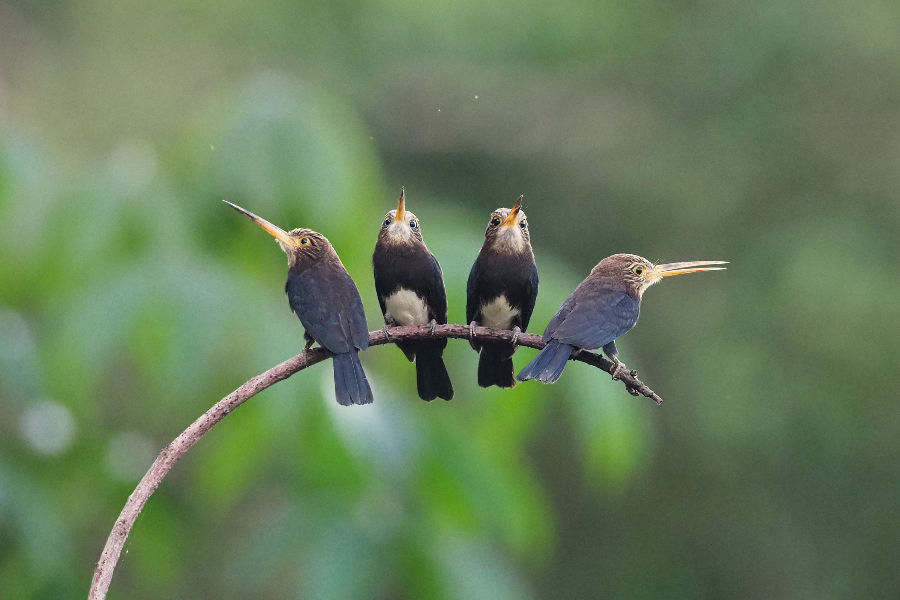
Day 4: A full day in Vila Bela will offer high chances of finding the Endangered Great-billed Seed Finch - a songbird decimated by the cage bird trade in most of its range, a real rarity in the wild nowadays. Today we are also likely to see Horned Screamer, Hoatzin, White-tailed Goldenthroat, the restricted Cinnamon-throated Hermit, Red-shouldered, Red-bellied, Chestnut-fronted, and Golden-collared Macaws, Bolivian Slaty Antshrike, Western Fire-eye, Fawn-breasted Wren, Chestnut-bellied Seed Finch, and Rusty-collared Seedeater. We can spend more time in typical Cerrado too for those species mentioned on the previous day. Night at Vela Bela.
Day 5: Heading north to Pimenteiras do Oeste in southern Rondonia, we will be staying next to the banks of the beautiful Guaporé River, looking across the Bolivian border to the vast Noel Kempff National Park. This afternoon we will bird the exquisite transitional and riparian forests next to our lodge, where we hope to find Rondonia Warbling Antbird, Chattering Gnatwren, and Sulphur-bellied Tyrant-Manakin, as well as some other amazing widespread species like Spotted Puffbird, Brown Jacamar, Blue-winged Macaw, Dusky-headed Parakeet, Blackish, Band-tailed, and Southern Chestnut-tailed Antbirds, Amazonian Antshrike, Band-tailed Manakin, Red-capped Cardinal, and others. Night at Pimenteiras do Oeste.
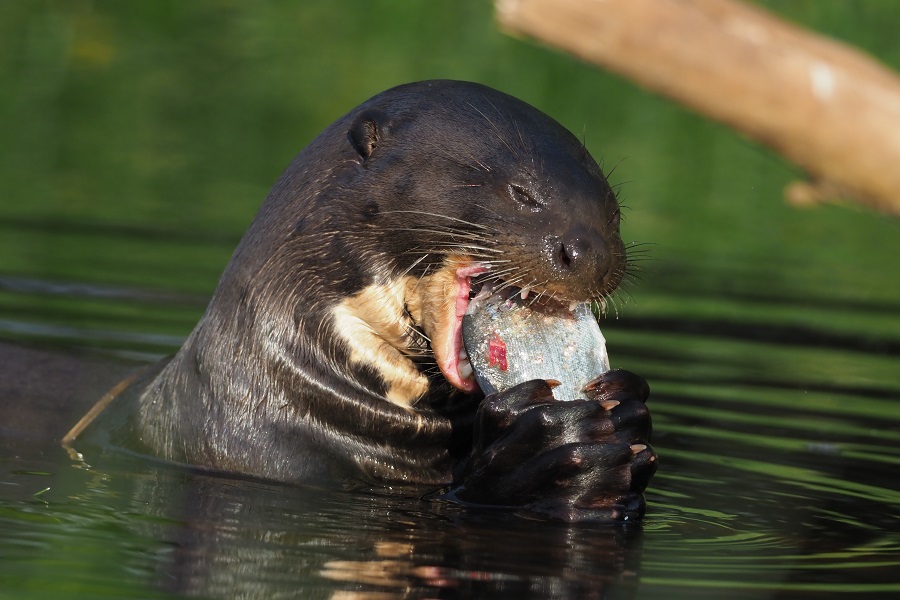
Day 6: A day to experience the meeting of the Amazon and the Pantanal, while looking for our main target species: the uncommon and highly range-restricted Rusty-necked Piculet. At this point of the Guaporé, avifauna from both biomes interact, resulting in high diversity and a very interesting suite of birds. By boat, we will be covering the Guaporé banks and small tributaries to find Hoatzins, Sungrebe, Sunbittern, Red-throated Piping Guan, Razor-billed Curassow, Orinoco Goose, Sand-coloured and Band-tailed Nighthawks, Ladder-tailed Nightjar, Cinnamon-throated Hermit, the shy Zigzag Heron, Pied Plover, Slate-coloured Hawk, American Pygmy and Green-and-rufous Kingfishers, Cream-coloured Woodpecker, Scarlet, Red-and-green, and Blue-and-yellow Macaws, Striped Woodcreeper, Amazonian Streaked Antwren, Silvered Antbird, Amazonian Inezia, Ashy-headed Greenlet, Fawn-breasted Wren, and others. Giant Otters and Bolivian River Dolphins are frequently spotted along the river and can provide great encounters. Night at Pimenteiras do Oeste.
Day 7: Before leaving Pimenteiras in the early morning, we can explore a little of Cerrado habitat, if necessary (there is a good backup site for Horned Sungem and Black-and-tawny Seedeater). Point-tailed Palmcreeper should come later during the long journey to the lovely Jardim da Amazônia, our next destination in the southern limits of the Amazon in central Mato Grosso state. We should have time for a pleasant afternoon forest session around the lodge in search of Razor-billed Curassow, Speckled Chachalaca, Blackish Nightjar, Bronzy Jacamar, Red-necked and Lettered Aracaris, White-throated Toucan, the near-endemic Black-girdled Barbet, Ringed Woodpecker, Bar-breasted Piculet, Santarem Parakeet, Bare-necked Fruitcrow, White-banded Swallow, Hauxwell’s Thrush, Blue-necked Tanager, and others. At dusk, we can try for Ocellated Poorwill next to the lodge. Night at Jardim da Amazônia.
Day 8: We hope to start the day at Jardim da Amazônia with a good show of Orange-cheeked Parrot in the cashew trees around the lodge, offering prolonged views and amazing photographic opportunities. Then it's time for a boat ride to visit the famous oxbow lake up the Rio Claro, where the bushy and grassy margin is home to the rare and Endangered endemic Cone-billed Tanager, our main target bird for the morning. We can also look for Green-tailed Goldenthroat in this beautiful place, as well as the endemic Glossy Antshrike and the bizarre Amazonian Umbrellabird further along the river. Back at the lodge, we'll head down forest trails, mainly in search of the rare Dot-eared Coquette, Flammulated Bamboo Tyrant, Chattering Gnatwren, and Tooth-billed Wren. Some areas next to the lodge are also very good for the Vulnerable endemic Mittermeier’s Tapajós Saki, and we should spend time searching for it around noon. We say goodbye to Jardim da Amazonia after a most delicious lunch, then have a short transfer south along the Rio Claro to the brand-new lodge in Cunhataí Porã Reserve. Linked to the same forest remnant, this place was totally designed for wildlife watching, with a thirty-metre-tall canopy tower, several hides, a superb section of river for more boat cruises, and an extensive trail network. We should have a very nice and busy introduction in the afternoon and evening. Night at Cunhataí-Porã Reserve.
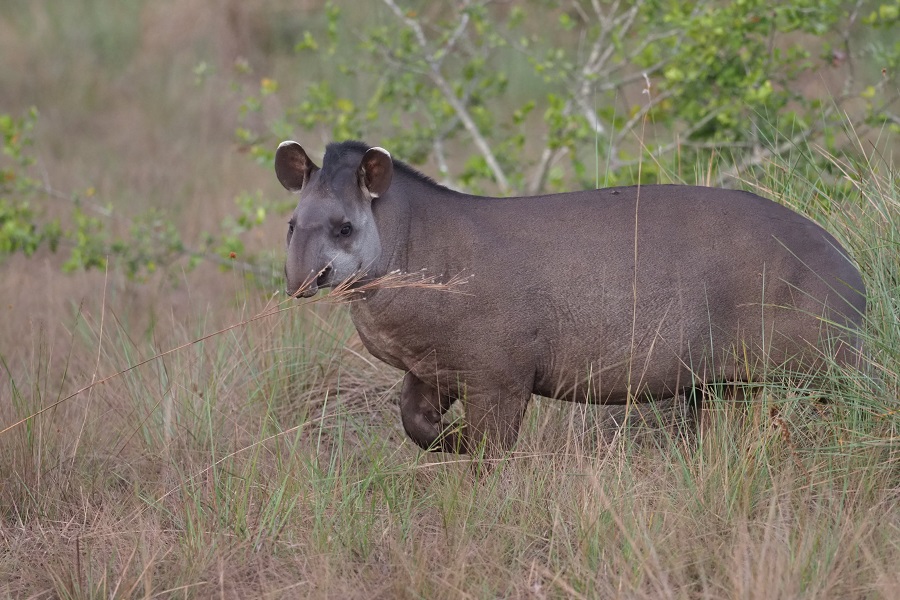
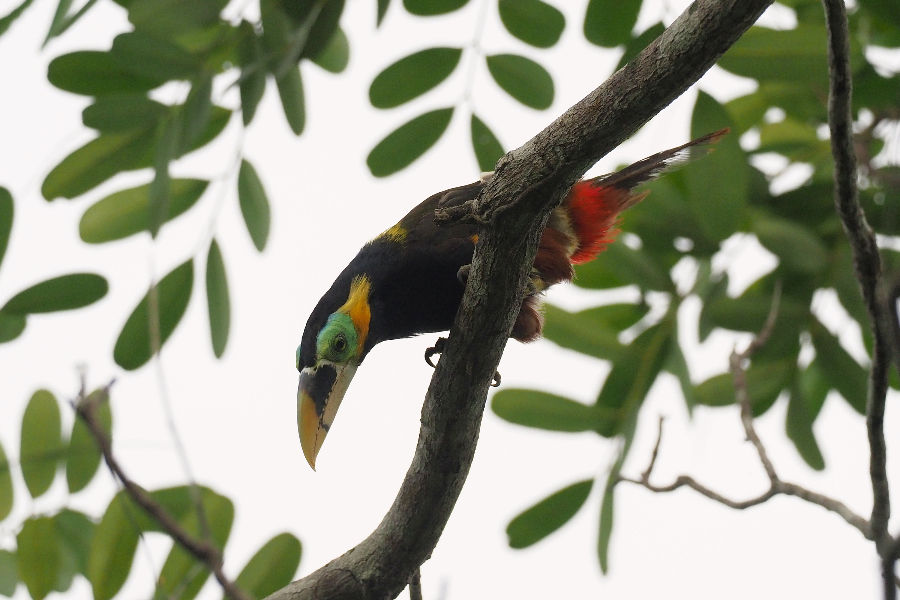
Day 9 and 10: Two full days to explore the amazing Cunhataí Porã Reserve. The canopy tower in the early morning is always a good option to start the day, where we can look for the rare Dot-eared Coquette, White-necked, Pied, and Eastern Striolated Puffbirds, Lettered, Red-necked, and Chestnut-eared Aracaris, Gould’s Toucanet, Black-girdled Barbet, Santarem Parakeet, Bare-necked Fruitcrow, White-browed Purpletuft, Spangled Cotinga, Pompadour Cotinga (stunning males are frequent in the reserve!), and small, colourful beauties like Blue-necked, Paradise, and Bay-headed Tanagers. Later, forest trails and clearings give us chances to find a huge array of species, including Razor-billed Curassow, Blue-necked and Great Jacamars, Rufous-capped Nunlet, Cryptic Forest Falcon, Rondonia Warbling, Spot-backed, Dot-backed, and Rufous-faced Antbirds, Uniform and Dusky-capped Woodcreepers, Flame-crested, Fiery-capped, and Snow-capped Manakins, Cinnamon Tyrant-manakin, Tooth-billed Wren, Rose-breasted Chat, Para Gnatcatcher, Chattering Gnatwren, Short-billed Honeycreeper, and Dotted Tanager. Boat trips should offer more chances for Red-throated Piping Guan, Zigzag Heron, Glossy Antshrike, Amazonian Umbrellabird, and Cone-billed Tanager. The peculiar campina habitat should contribute Spotted Puffbird, Bronzy Jacamar, Black Manakin, Pale-bellied Mourner, Zimmer’s Tody-Tyrant, Campina Thrush, and Red-shouldered Tanager. The reserve also holds frequent records of large raptors such as Harpy, Crested, and Chaco Eagles, plus Ornate and Black Hawk-Eagles. At night, we can search for Long-tailed Potoo, Tawny-bellied Screech Owl, Spectacled Owl, and Black-banded Owl. Tree houses, hides, and night safaris will give us chances to see several mammals as well, including Collared and White-lipped Peccaries, Brazilian Tapir, and even Maned Wolf. Nights at Cunhataí-Porã Reserve.
Day 11: After a final early morning session at Cunhataí, we will drive to our last destination on the tour, the beautiful tabletop mountains of Chapada dos Guimarães. Here, we will explore more Cerrado in the afternoon, including the beautiful geodesic centre viewpoint, where we will look for White-vented Violeteater, White-collared and Biscutate Swifts, Crested Black Tyrant, Grey Monjita, Stripe-tailed Yellow Finch, and the rather uncommon Blue Finch. Night in Chapada dos Guimarães.
Day 12: Morning session in typical Cerrado will offer some extra specialties to add to this most delightful trip, including beauties like Small-billed Tinamou, Red-legged Seriema, Checkered Woodpecker, Spot-backed and White-eared Puffbirds, Rufous-winged Antshrike, Collared Crescentchest, Suiriri and Chapada Flycatchers, Lesser and Plain-crested Elaenias, Shrike-like Tanager, and extra chances for Horned Sungem and Coal-crested Finch. A little time in the forest may provide chances for Pheasant Cuckoo, Band-tailed Manakin, Large-billed Antwren, Western Fire-eye, and Southern Antpipit. Transfer back to Cuiabá International Airport (CGB) for the end of the tour. Those taking the Jaguar extension will drive down to Porto Jofre for overnight.
JAGUAR EXTENSION
Day 1: Leave the main tour at Cuiabá and drive four hours south to Porto Jofre.
Day 2: Both a morning and afternoon boat trip in search of Jaguars. We can nearly guarantee success, with almost every cruise at this time of year sighting multiple individuals, often hunting or engaging in other exciting behaviours! We should also have particularly intimate encounters with the awesome Giant Otter, and plenty of photographic opportunities with abundant waterfowl. One bird which can be tricky on the main tour is Buff-bellied Hermit, and if needed, we can target it along the river.
Day 3: Another boat trip before transferring after lunch back to Cuiabá International Airport (CGB) in time for evening flights.
NOTE: We can also help arrange an extension to Alta Floresta, where there are several excellent birding lodges to explore at leisure with in-house guides. After flying direct to Alta Floresta Airport (AFL) from Cuiabá, three or four nights is a good length of time to stay at either the bird-packed Rio Azul Jungle Lodge, or the exquisitely luxurious Cristalino Jungle Lodge. Species lists at each site are similar, though Rio Azul is best for the endemic Bald Parrot. Other specialties include Dark-winged Trumpeter, Kawall’s Amazon, Alta Floresta Antpitta, Bare-eyed Antbird, and Tapajos Fire-eye. There is also the chance of Scaled Ground Cuckoo at Cristalino.