Cameroon
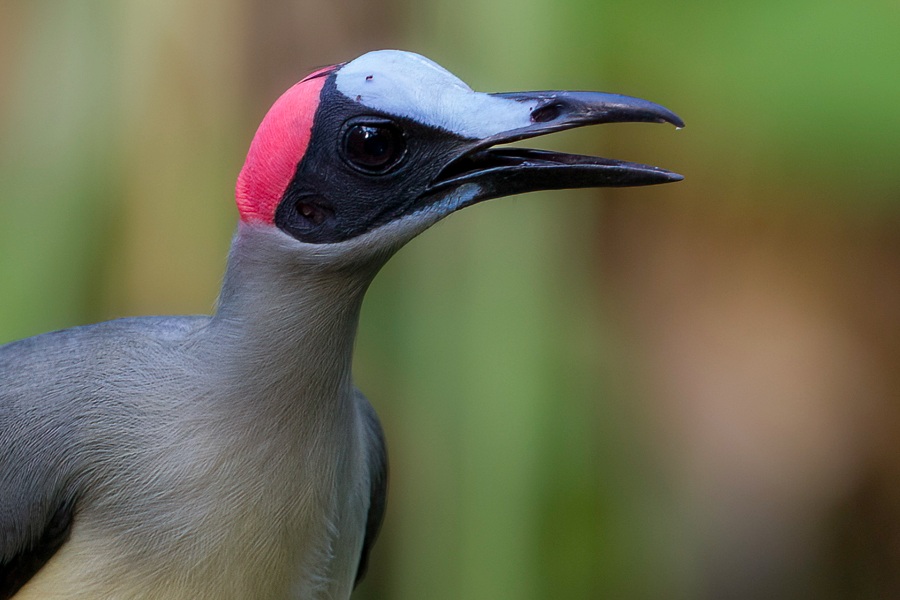
Comprehensive coverage of this fabulous country where West Africa meets the Congo Basin. Amongst several truly rare species like Mount Kupe Bushshrike for which we can cross our fingers, some of the expected standouts are Grey-necked Rockfowl, Grey-headed Broadbill, Bannerman’s Turaco, Banded Wattle-eye, White-throated Mountain Babbler, Green Longtail, and White-collared Starling. We will be aiming for more than 30 endemic and near-endemic specialties which are only reliable in Cameroon, plus another few dozen excellent birds shared primarily with Gabon and the Congo.
Next Dates
9 March - 30 March 2028 (22 days)
Leaders:
Julien Mazenauer
Group Size Limit:
7
Single Room Supplement: $
500 USD
Deposit: $
1500 USD
Price: $
9900 USD
Add a Title
Leaders:
Julien Mazenauer
Group Size Limit:
Add a Title
Single Room Supplement: $
TBD
Deposit: $
TBD
Price: $
TBD
Add a Title
Accommodation:
Moderate hotels throughout the tour, except at Benoué National Park where cabins are basic with shared facilities with no running water.
Walking difficulty:
Mostly easy to moderate, but a few two-hour steep hikes on Mount Kupé and Mount Cameroon to access the best habitat.
Tour cost includes:
All accommodation, main meals, drinking water, internal flights, overland transport, tips to local drivers and guides, travel permits, entrance fees, and guide fees.
Tour cost excludes:
Flights before and after the tour start/end, visa, travel insurance, tips to tour leaders, laundry, drinks, and other items of a personal nature.
Day 1: Start of tour at an airport-adjacent hotel after evening arrivals into Douala International Airport (DLA).
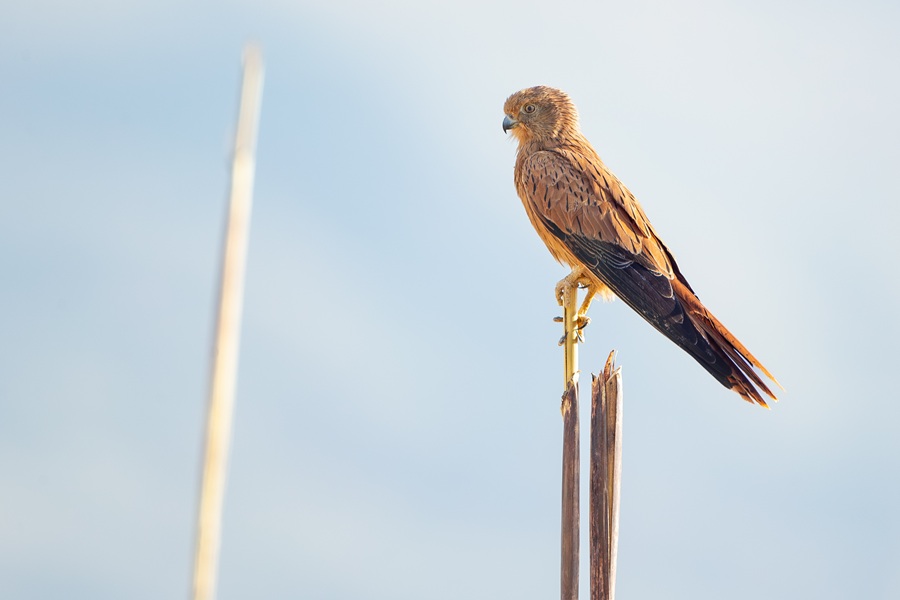
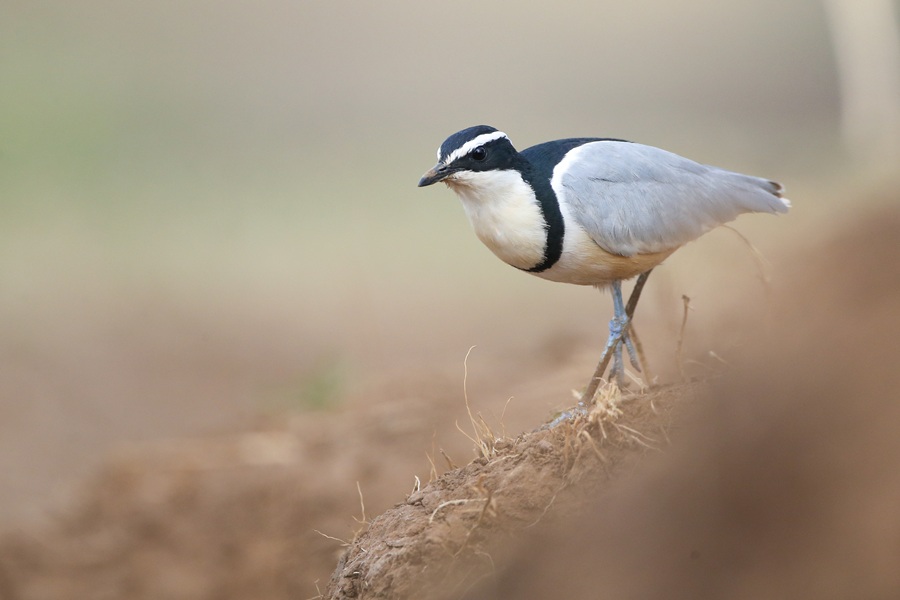
Day 2: This morning we will take a flight north to Garoua, where we will overnight. An afternoon excursion along the banks of the Benoué River will give us our first chances to find the one-and-only Egyptian Plover, as well as other great specialties like Stone Partridge, Fox Kestrel, Northern Carmine Bee-eater, White-headed Barbet, Black Scrub Robin, White-rumped Seedeater, and the seldom-seen Heuglin’s Wheatear.
Day 3: Today, we will be driving south to Poli and bird a mosaic of open woodland on the way. We stand a good chance of finding the extremely localised Chad Firefinch, as well as Four-banded Sandgrouse, Adamawa Turtle Dove, Fox Kestrel, White-crested Turaco, Red-winged Grey Warbler, Dorst’s Cisticola, Dybowski’s Twinspot, Grey-headed Oliveback and perhaps even Emin’s Shrike. We will continue to Benoué National Park, where we will spend two nights.
Day 4: Birding inside Benoué National Park along rivers and in a mosaic of savannah. Here we aim to catch up with some of the most sought-after birds of the region! In particular, we will focus our attention on White-throated Francolin, Bronze-winged Courser, Yellow Penduline Tit, Red-winged Grey Warbler, Heuglin’s Masked Weaver and many of the species listed for the previous day. There should also be plenty of opportunities to see more Egyptian Plover here. After dark, Standard-winged Nightjar and possibly Pel's Fishing Owl will be sought out.
Day 5: After a last morning in Benoué National Park we begin the drive south to Ngaoundaba Ranch for a three-nights stay.
Day 6-7: With two full days on site, we will have a great time at the ranch with good chances to locate the fantastic set of open-country megas to be found here. While Schlegel’s Francolin will require a great deal of luck, the other major targets are more straightforward and include Brown-chested Lapwing, Spotted Thrush-Babbler, the unique White-collared Starling, the endemic Bamenda Apalis, Yellow-winged Pytilia, and there is even a decent chance to find Cameroon Indigobird if conditions are right. Some other interesting species could include Gambaga Flycatcher, African Spotted Creeper, and Grey-headed Oliveback. After dark we can look for Pennant-winged Nightjar, and try again for Bronze-winged Courser if needed.
Day 8: This morning we will fly back to Douala and then transfer to Buea, at the foot of Mount Cameroon, for a three-night stay.
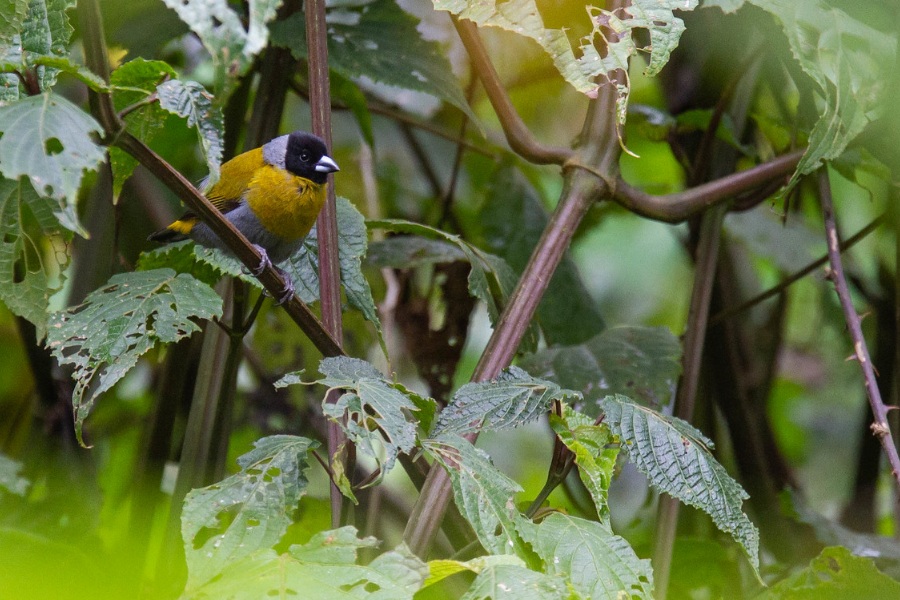
Day 9-10: Two full days will be spent exploring the lower and upper elevations of Mount Cameroon, taking our time and hopefully finding all the local specialties. Coaxing in a Mount Cameroon Spurfowl will never be easy, but of course we will try! Thankfully Mount Cameroon Speirops should be common, along with several near-endemics only shared with the adjoining hills of Nigeria: Mountain Saw-wing, Yellow-breasted Boubou, Mountain Sooty Boubou, Mountain Robin-Chat, White-tailed Warbler, and Shelley's Oliveback. There is much more on offer of course, like Scaly Spurfowl, Tullberg's Woodpecker, Northern Double-collared Sunbird, Grey-chested Babbler (AKA Kakamega), Oriole Finch, Evergreen Forest Warbler, African Hill Babbler, Banded Prinia, Narrow-tailed Starling, and Waller’s Starling.
Day 11: After a final morning in the Mount Cameroon vicinity, we will transfer to Nyasoso for three nights, close to the Bakossi National Park and Mount Kupe.
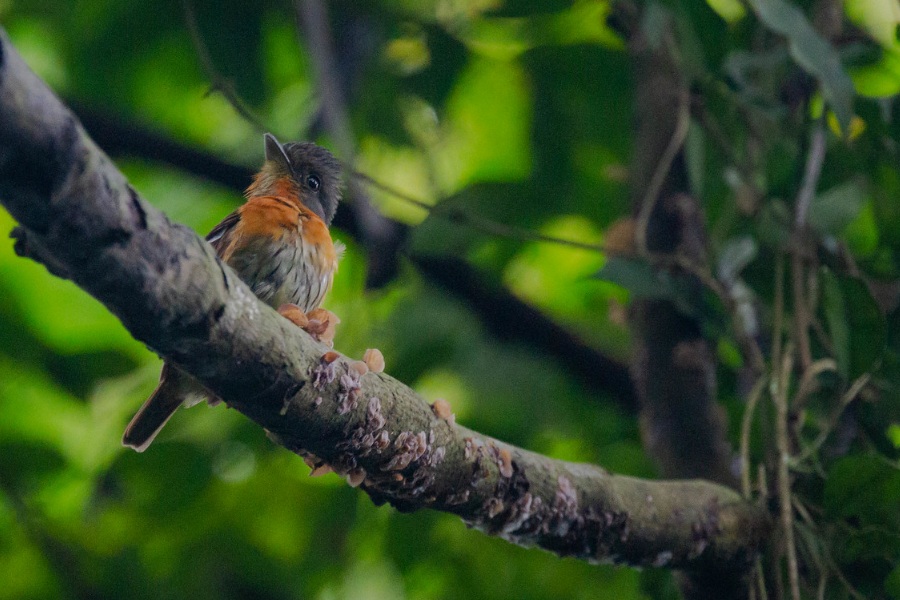
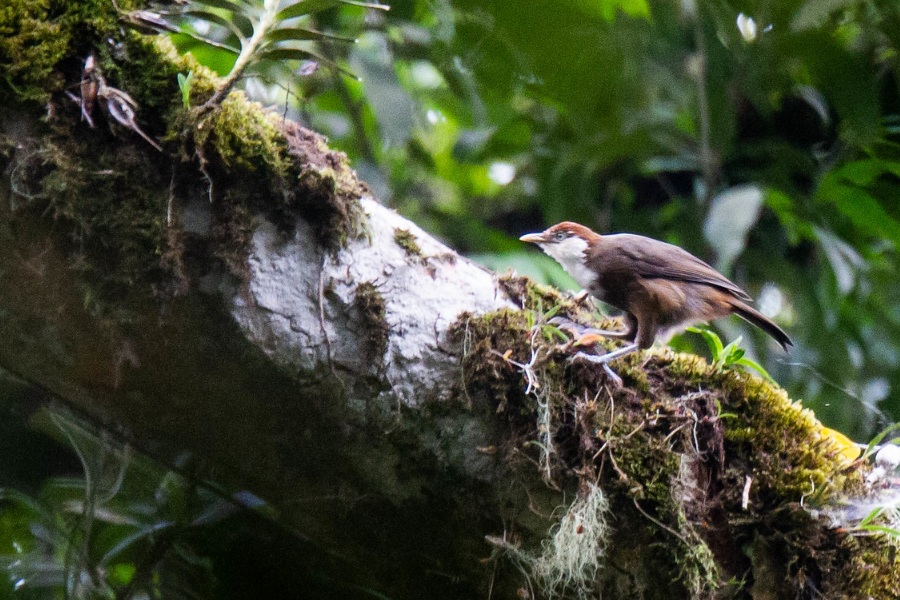
Days 12-13-14: Three full days in the Bakossi / Mount Kupe area will allow us to look for some of the rarest Cameroon endemics. Amongst others, our highest priorities will be Cameroon Olive Pigeon, the most-wanted Grey-headed Broadbill, the beautiful White-throated Mountain Babbler, Crossley’s Ground Thrush, Short-tailed Akalat, Green Longtail, Black-capped Woodland Warbler, Black-necked Wattle-eye, Green-breasted Bushshrike, Red-eyed Puffback, Ursula’s Sunbird, and Cameroon Sunbird. Of course we can't forget the full set of greenbuls here: Grey-headed Greenbul, Western Mountain Greenbul, Cameroon Mountain Greenbul, and Cameroon Olive Greenbul. We will have extra chances for many of the previously mentioned Mount Cameroon targets again, while some other possibilities include Fraser’s Eagle-Owl, Sjöstedt’s Barred Owlet, Bar-tailed Trogon, Forest Swallow, White-bellied Robin-Chat, Chattering Cisticola, Chubb’s Cisticola, Lühder’s Bushshrike, and the endearing Yellow-footed Flycatcher.
Mount Kupe Bushshrike, a spectacular and most-wanted endemic indeed, has unfortunately been much less reliable in recent times. That said, we think with some extra effort during our three days here we have a fairly high likelihood for success. Sandy Scops Owl has been recorded here recently too, but that one will require a lot of luck to find.
Day 15: We will transfer today to the Bamenda Highlands for the next two nights. We may arrive in time for a first birding session.
Day 16: Full day in the Bamenda Highlands to look for Bannerman’s Turaco, Bannerman’s Weaver, and Banded Wattle-eye, three highly-threatened endemics. More common species which should also be around include Rwenzori Hill Babbler, Mountain Robin-Chat, Bangwa Forest Warbler, Black-collared Apalis, Forest White-eye, Mackinnon’s Shrike, White-bellied Tit, Orange-tufted Sunbird, Brown-capped Weaver, and Red-faced Crimsonwing.
Day 17: After some more morning birding in the Bamenda Highlands we will transfer south to Edea, where we will overnight. A late afternoon excursion along the Sanaga River allows us to look for Grey Pratincole, African Skimmer, Preuss’s Cliff Swallow, Black-headed Waxbill, and Black-bellied Seedcracker.
Day 18: Transferring further south to Campo Ma’an for a four-night stay, we will have time for some initial exploration this afternoon.
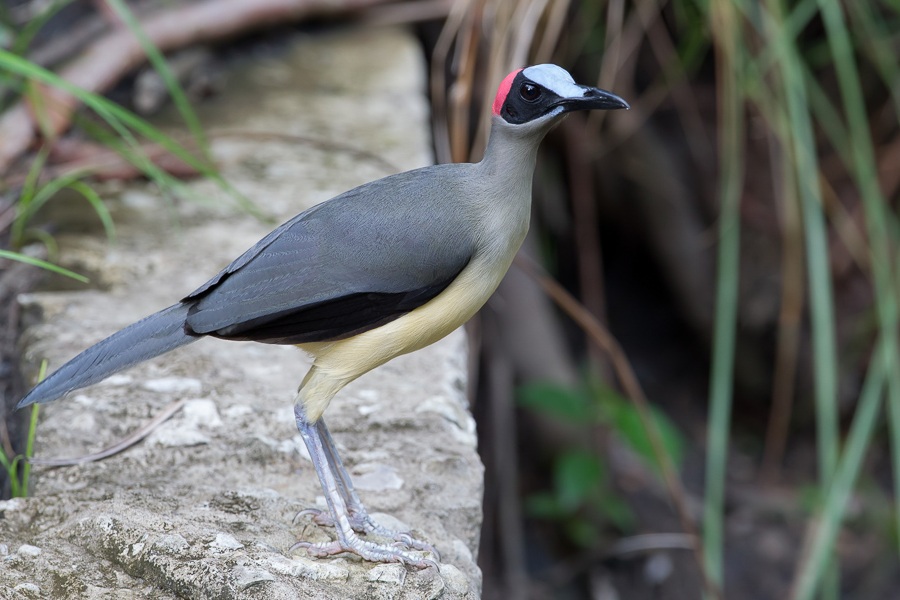
Day 19-20-21: Three full days to do the wonderful lowland primary forests of Campo Ma’an National Park justice! Perhaps the highlight of the whole tour will be our visit to active nesting sites of the mythical Grey-necked Rockfowl (AKA Red-necked Picathartes), nowhere else in the world as reliable as here! Birding the extensive habitat will give us ample opportunities to find a lot of the specialties like Latham’s Francolin, Plumed Guineafowl, Afep Pigeon, Brown Nightjar, Bates’s Nightjar, Bates’s Swift, White-thighed Hornbill, Congo Pied White-thighed Hornbill, Western Dwarf White-thighed Hornbill, Eastern Long-tailed Hornbill, Gabon Coucal, Black-throated Coucal, the scarce Yellow-throated Cuckoo, White-spotted Flufftail, Bare-cheeked Trogon, Eastern Bearded Greenbul, White-bearded Greenbul, Xavier’s Greenbul, Sjöstedt’s Greenbul, Yellow-lored Bristlebill, White-spotted Wattle-eye, Yellow-bellied Wattle-eye, Fire-crested Alethe, Cassin's Malimbe, the stunning Rachel’s Malimbe, Yellow-mantled Weaver, the odd Yellow Longbill, Bates’s Sunbird, Johanna’s Sunbird, Fraser’s Sunbird, and Grey-chinned Sunbird. There is also a remote chance for Black-collared Lovebird and Eastern Wattled Cuckooshrike, both of which have been recorded in the park.
Day 22: Today we will transfer back to Douala International Airport for the end of the tour in time for international flights this evening.