Cook Islands & Samoa
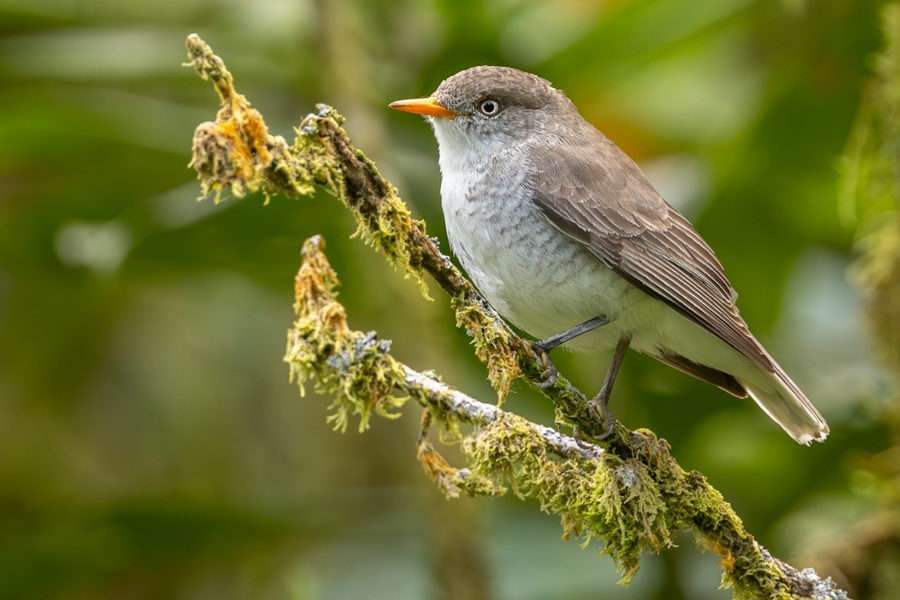
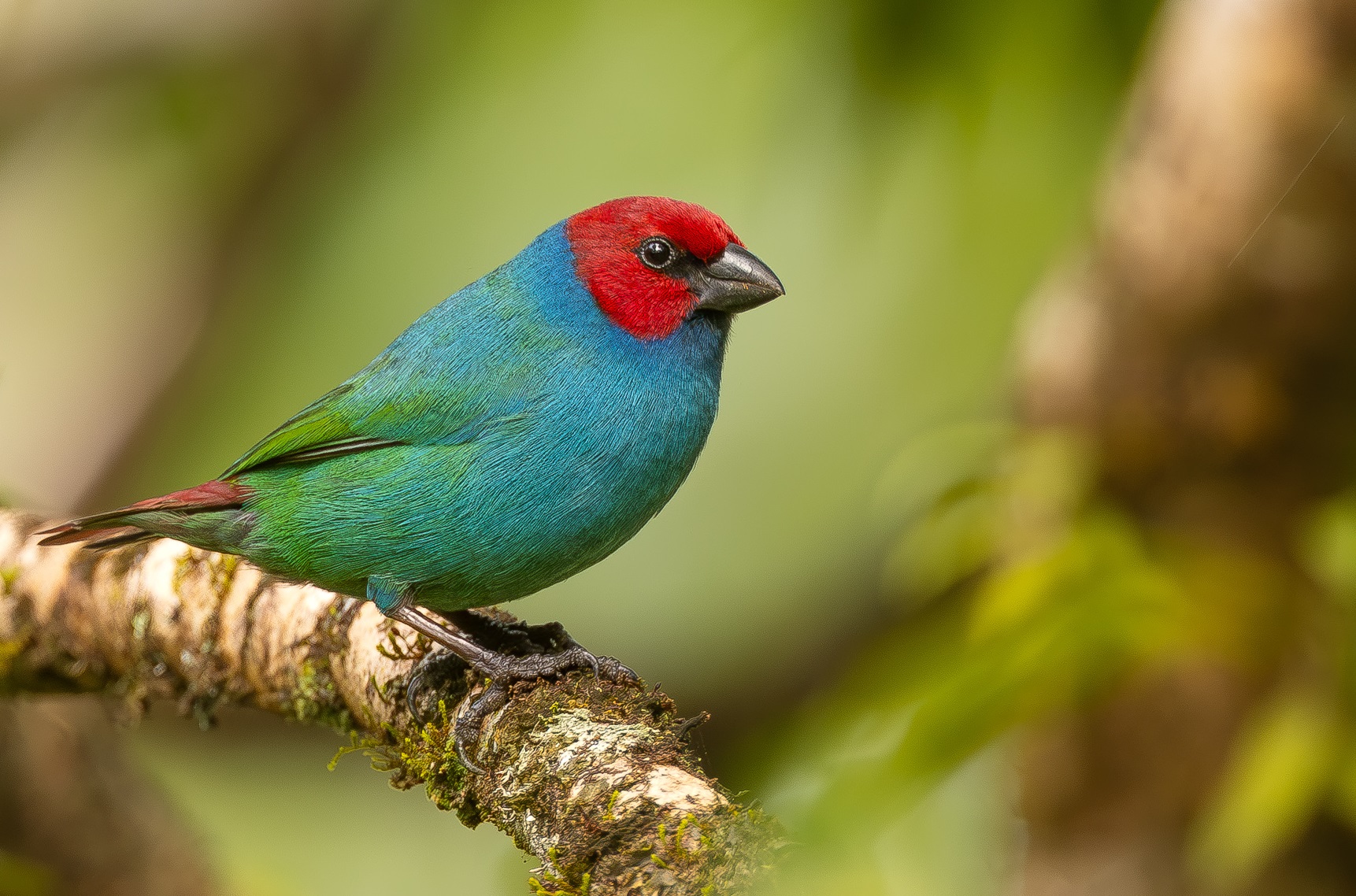
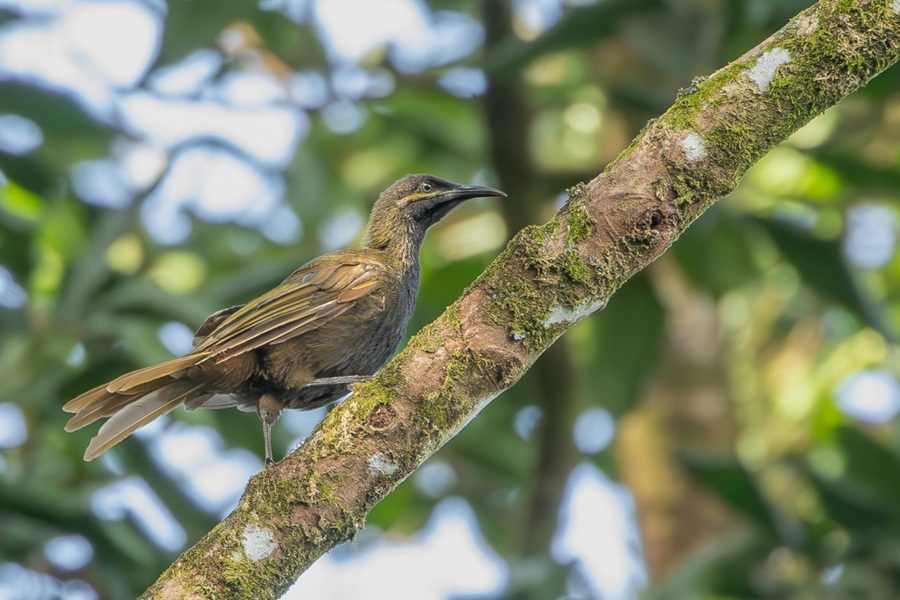
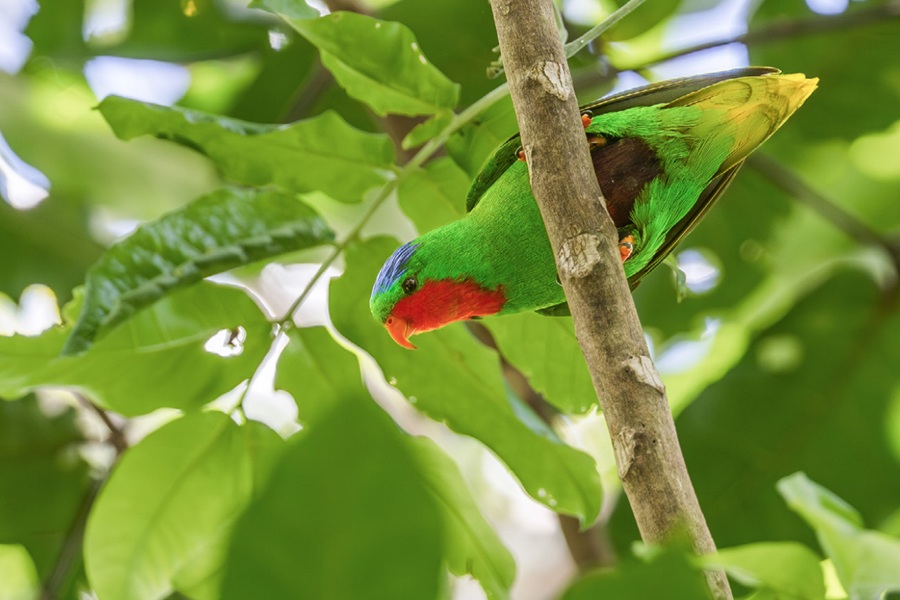
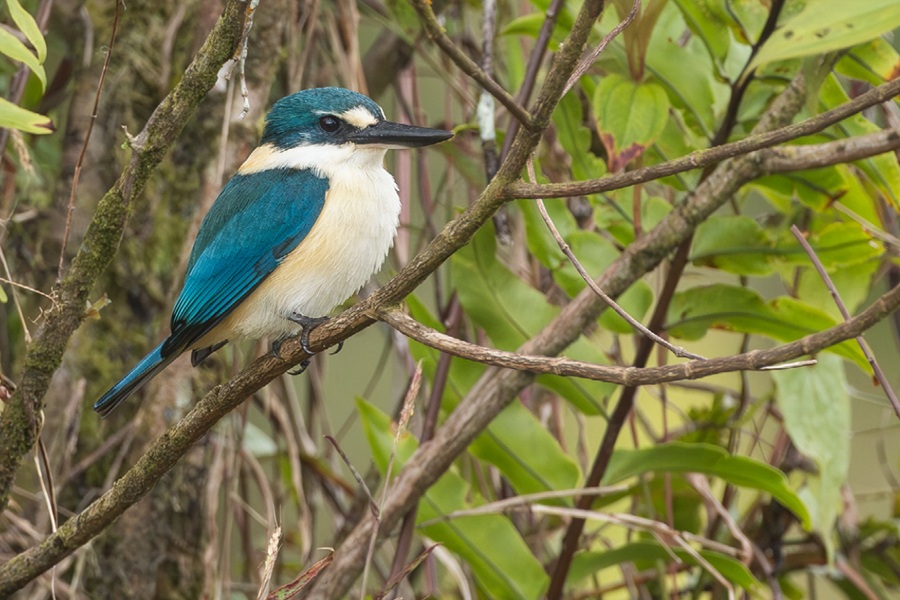
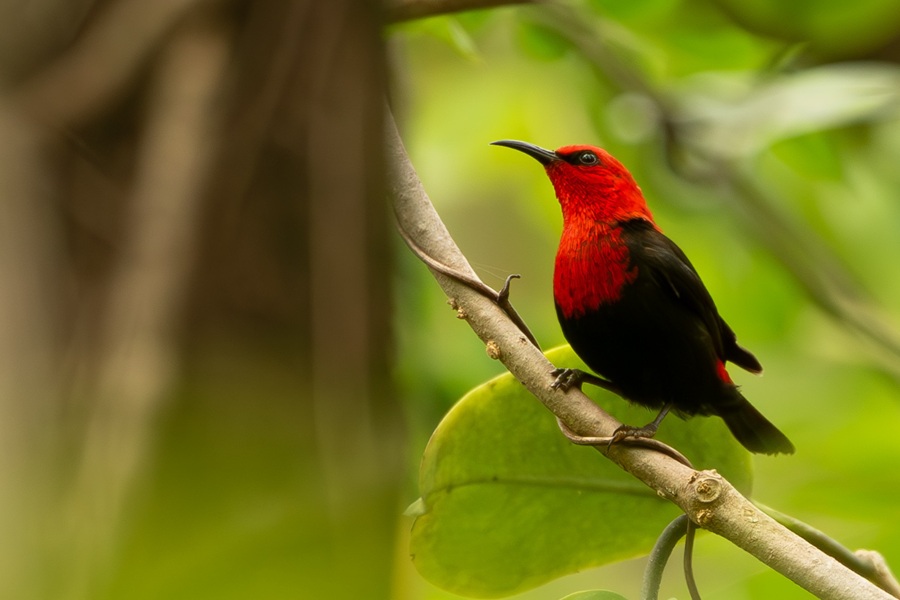
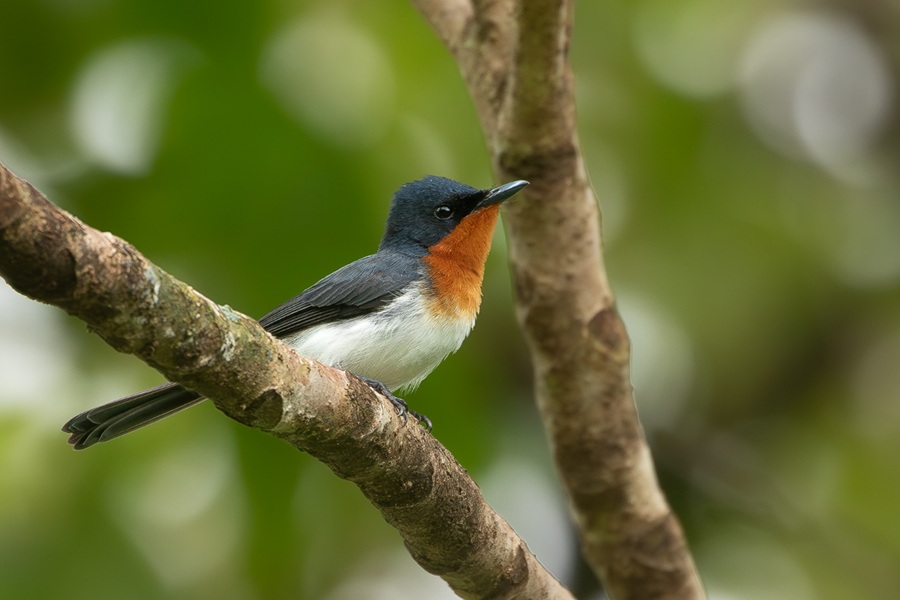
This tour covers ~20 endemic birds found between these two remote Pacific destinations. First up will be our search for Kuhl's Lorikeet, Chattering Kingfisher, Mewing Kingfisher, Atiu Swiftlet, and Rarotonga Monarch in the Cook Islands. We also stand a good chance of spotting Bristle-thighed Curlew and Herald Petrel on the coast. Then heading onwards to Samoa our targets include Blue-crowned Lorikeet, Flat-billed Kingfisher, Mao, Samoan Triller, Samoan Whistler, and Royal Parrotfinch. We have plenty of time so will be able to put extra effort in for Shy Ground Dove and Samoan Island Thrush before the conclusion of this wonderful tour through the friendly and relaxed islands of Western Polynesia.
Next Dates
1 September - 11 September 2028 (11 days)
Leaders:
Daniel López-Velasco
Group Size Limit:
7
Single Room Supplement: $
600 USD
Deposit: $
750 USD
Price: $
5900 USD
Add a Title
Leaders:
Daniel López-Velasco
Group Size Limit:
Add a Title
Single Room Supplement: $
TBD
Deposit: $
TBD
Price: $
TBD
International flights for this tour are best arranged with return tickets from your home country to either Auckland (AKL), Brisbane (BNE), or Sydney (SYD). Your one-way flights to Rarotonga (RAR) before the tour and then back from Apia (APW) after the tour should be booked on separate tickets and can be expected to total approximately $600 USD.
Accommodation:
Hotels are of a good standard throughout, however for the three nights between Mangaia and Atiu will we be in simple guesthouses with shared facilities.
Walking difficulty:
Very easy throughout, except for the main birding trail on Samoa which is steep and takes about an hour each way at birding pace.
Tour cost includes:
All accommodation, main meals, drinking water, internal flights (as stated in itinerary), overland transport, tips to local drivers and guides, travel permits, entrance fees, and guide fees.
Tour cost excludes:
Flights before and after the tour start/end, visa, travel insurance, tips to tour leaders, laundry, drinks, and other items of a personal nature.
.jpg)
Day 1: Arrivals this morning into Rarotonga International Airport (RAR) in the Cook Islands. We will have all day to explore the island, with our first birding session at Takitumu Conservation Area. Established in 1996 to protect the threatened endemics, we should find Rarotonga Monarch and Rarotonga Starling already with the help of a local guide. As the sun starts to drop, many Pacific Imperial Pigeon and Insular Flying Fox will be passing by during their shift change.
Day 2: After a short flight over to Mangaia, we will be able to enjoy the endemic Mewing Kingfisher and Cook Reed Warbler. Both are easy to find so there will be plenty of time to photograph them! We should also be able to find some breeding seabirds like Red-tailed Tropicbird, White-tailed Tropicbird, Blue-billed White Tern, and Brown Noddy. The island typically hosts plenty of Wandering Tattler too, along with the ubiquitous Pacific Reef Heron.
Day 3: Following a flight back to Rarotonga, we will spend the afternoon in search of any wintering Bristle-thighed Curlew before moving to some viewpoints where a late evening vigil should produce views of Herald Petrel as they return to their burrows.
Day 4-5: Flying over to Atiu for a two-night stay, we will have a few more endemics to find. First up is a tour of Anatakitaki Cave, this being one of only two nesting sites for the endemic Atiu Swiftlet. We should be able to watch as birds fly past us towards their nests, audibly echolocating to find their way in the dark. Nearby forest holds Lilac-crowned Fruit Dove, which is also found on Rarotonga but tends to be much more common here. It will be exciting to see Chattering Kingfisher too, not strictly an endemic but very few birders visit the Leeward Islands in French Polynesia where it can also be found. However, the true jewel of the island is of course Kuhl’s Lorikeet. Fossil records pre-settlement prove that this species was once widespread across the Cook Islands, and the successful 2007 reintroduction program has allowed them to thrive once again on Atiu. We will spend the rest of our time in search of other potential species like the secretive Spotless Crake, wintering Long-tailed Koel, and roosting Great Frigatebird.
Day 6: Return flight to Rarotonga, and a final evening in the Cook Islands where we can again look for Herald Petrel if needed.
Day 7-8: Flight via New Zealand to Samoa, where we will arrive in the late evening. On paper this takes us two days due to our crossing of the International Date Line, but it will only feel like one day to us!
Day 9-10: We'll have plenty of time to explore Upolu, the second largest island in the archipelago. Striking out from our hotel in Apia, we will have access to all the key endemics and specialties. First up some quiet forest trails will see us search for an Endangered honeyeater, the weird Mao. Others like Samoan Whistler and Samoan Fantail are quite common, often in feeding parties with Samoan Myzomela and Samoan Flycatcher. Treetops hold the intruiging Samoan Triller and Samoan Starling, while Flat-billed Kingfisher prefers the forest edge. We hope to find some feeding Blue-crowned Lorikeet, while the rare Samoan Island Thrush and Shy Ground Dove usually take a bit more effort. One of the most exciting birds we expect to see is Royal Parrotfinch. This species is currently lumped together with similar-looking birds from Vanuatu (despite significant geographic separation), but it is much easier to see in Samoa. A couple of other near-endemics are rarely seen on other birding itineraries, like Crimson-crowned Fruit Dove and Polynesian Wattled Honeyeater, while more widespread birds include Pacific Robin, Polynesian Triller, and Polynesian Starling. Seabirds are often in flight over the forest, with the likes of White-tailed Tropicbird and Blue-billed White Tern regularly in view.
Day 11: The tour ends early this morning with international departures from Apia International Airport (APW).
NOTE: In 2028 this tour can easily be combined back-to-back with our dedicated Fiji tour, which is reached with a short direct flight from Apia to Nadi on the final day.