Ethiopia
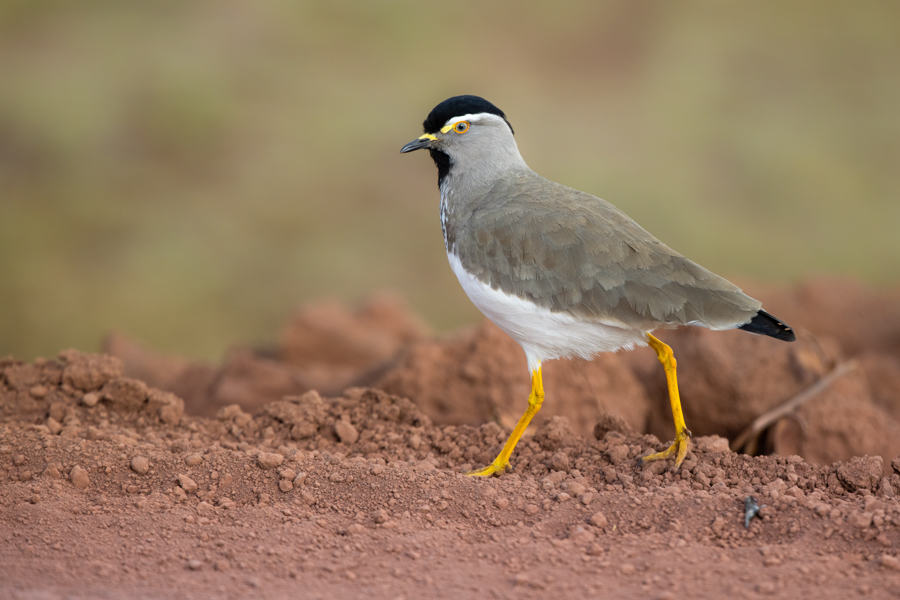
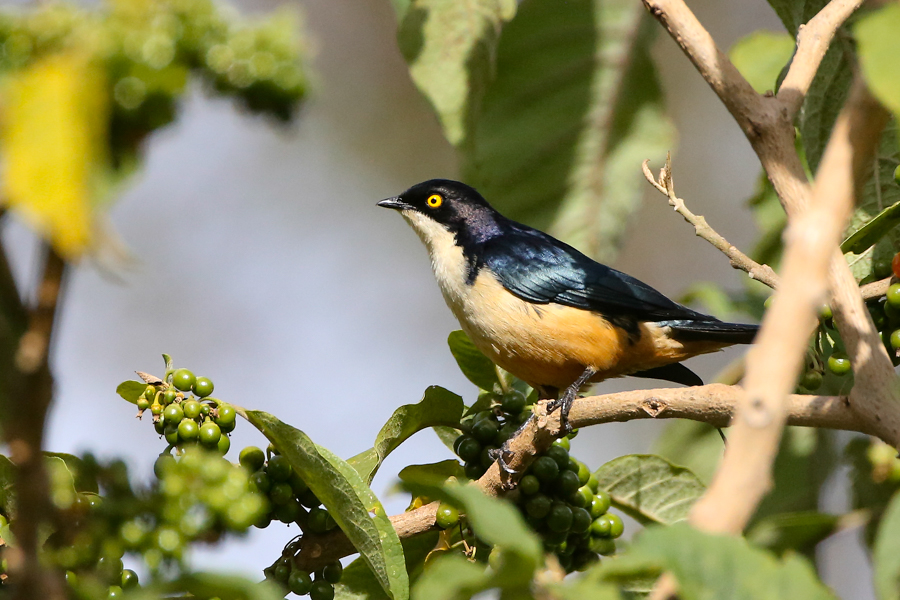
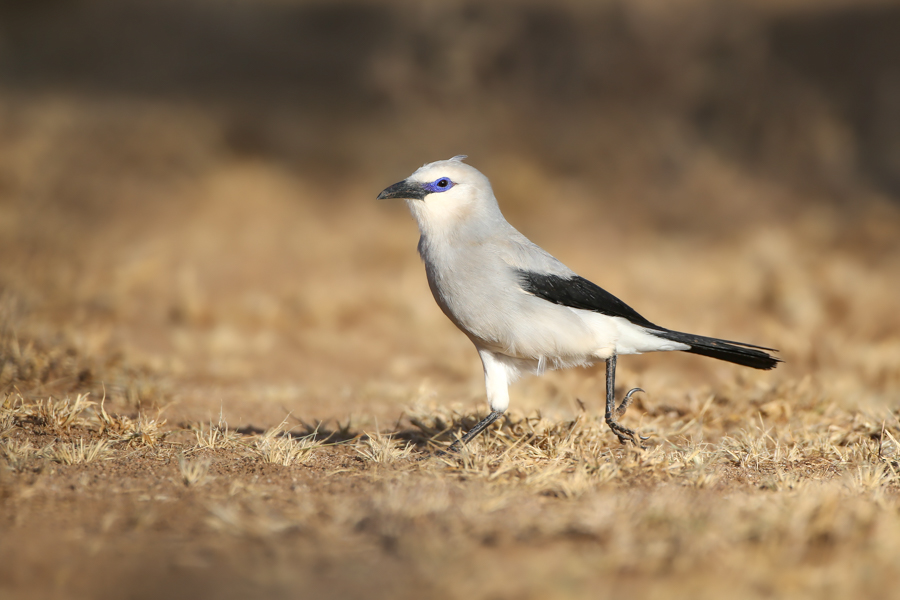
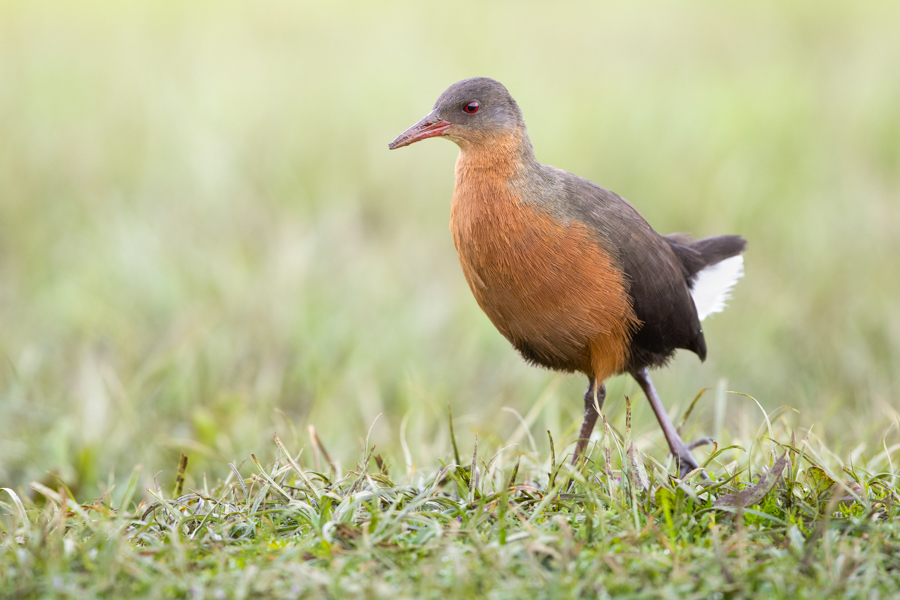
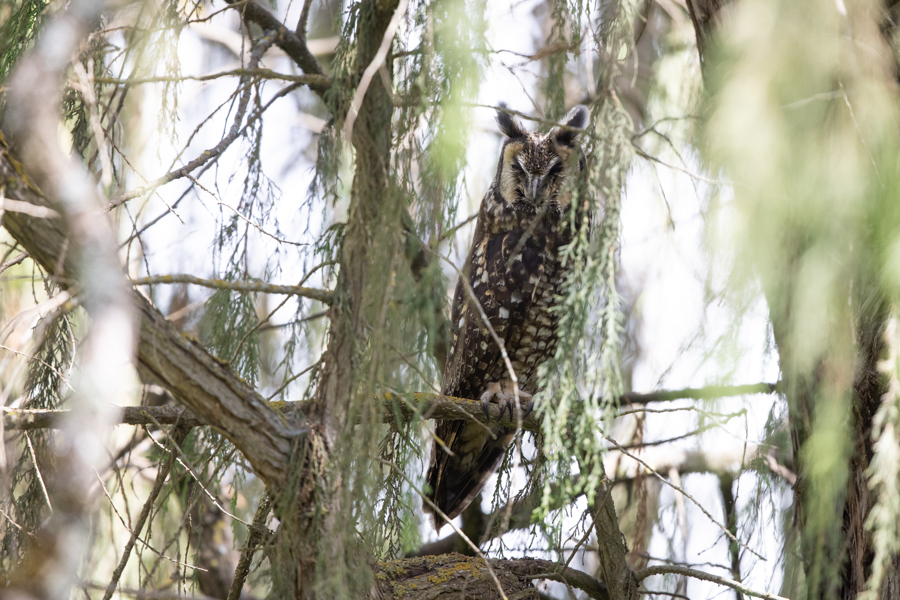
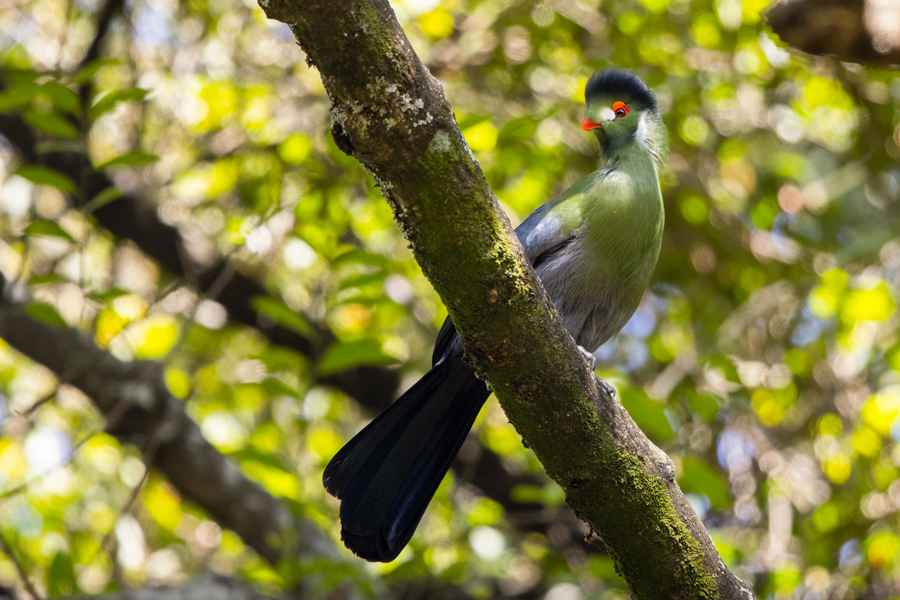
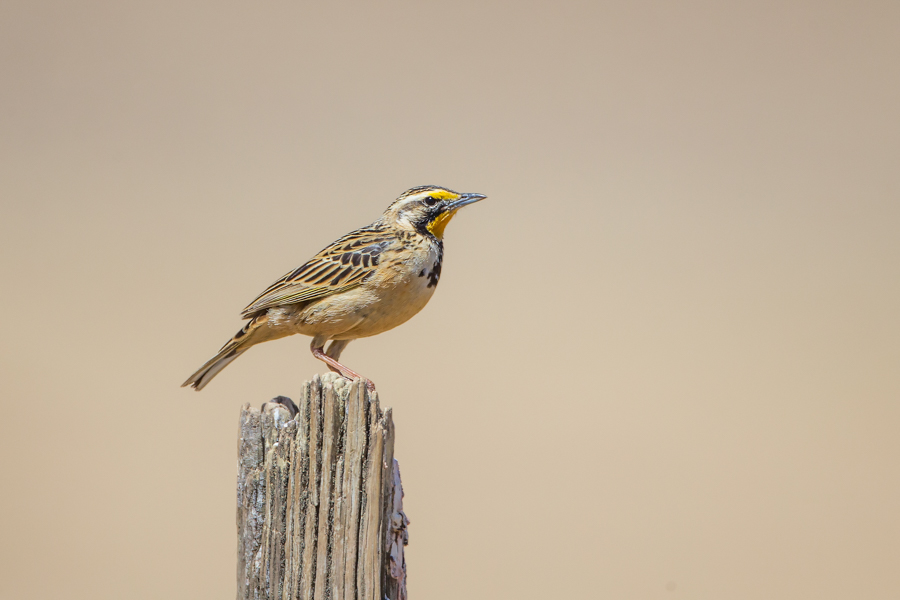
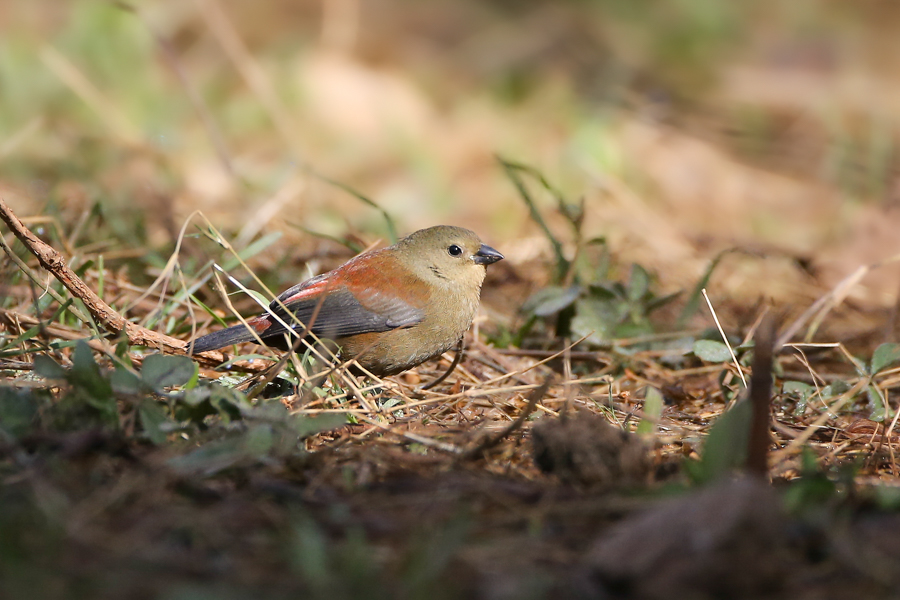
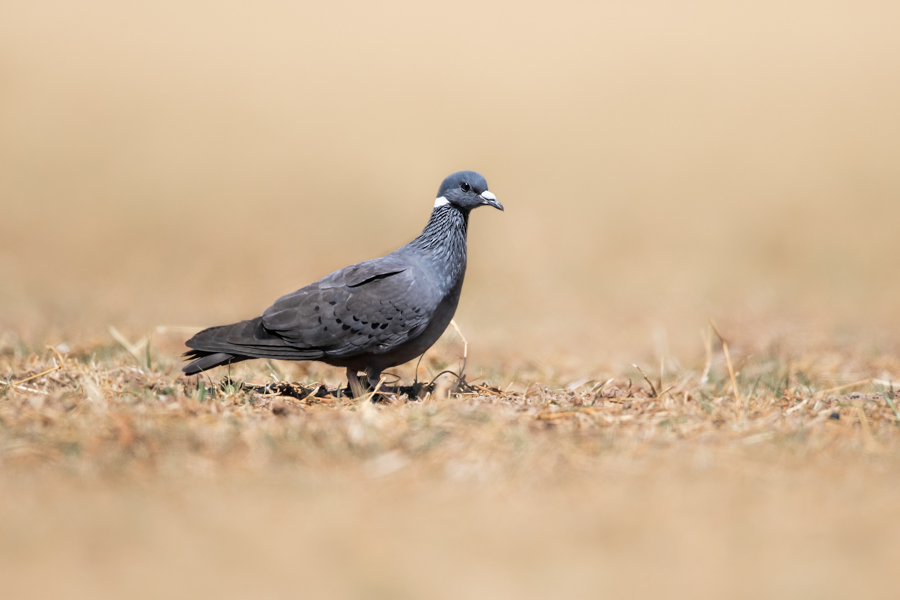
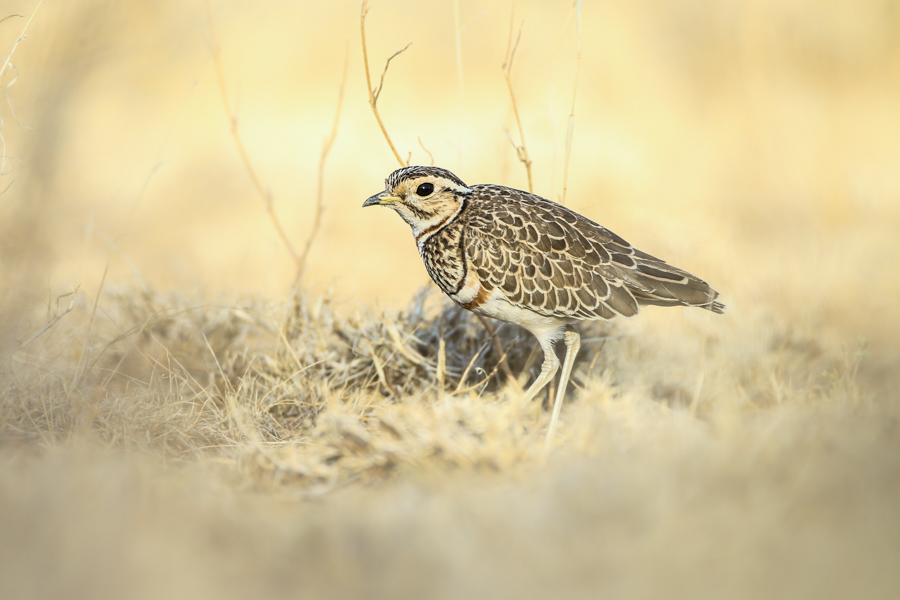
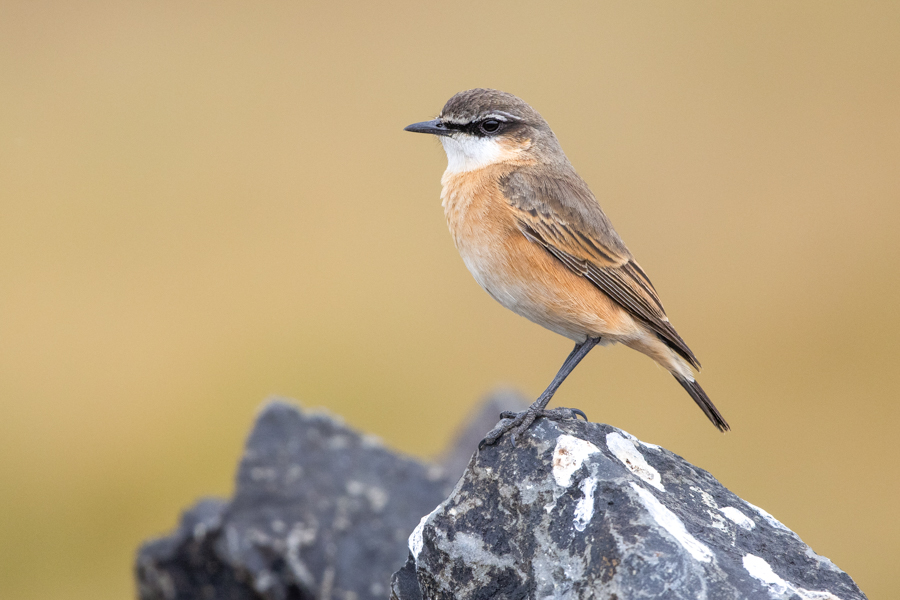
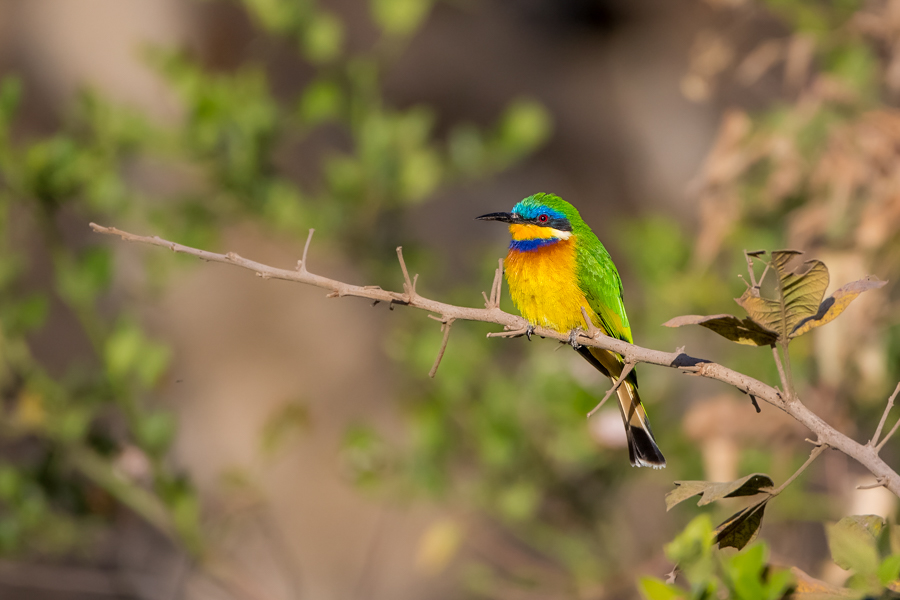
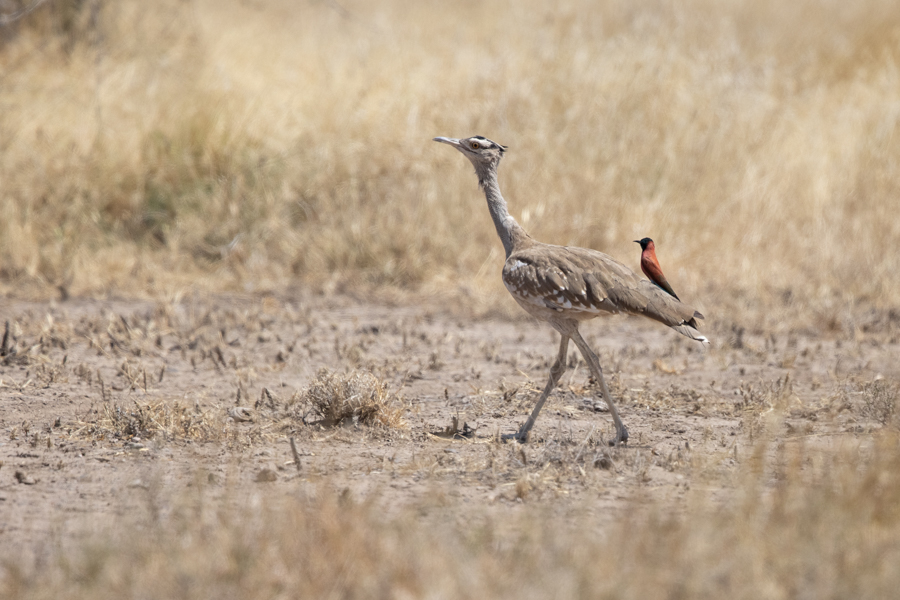
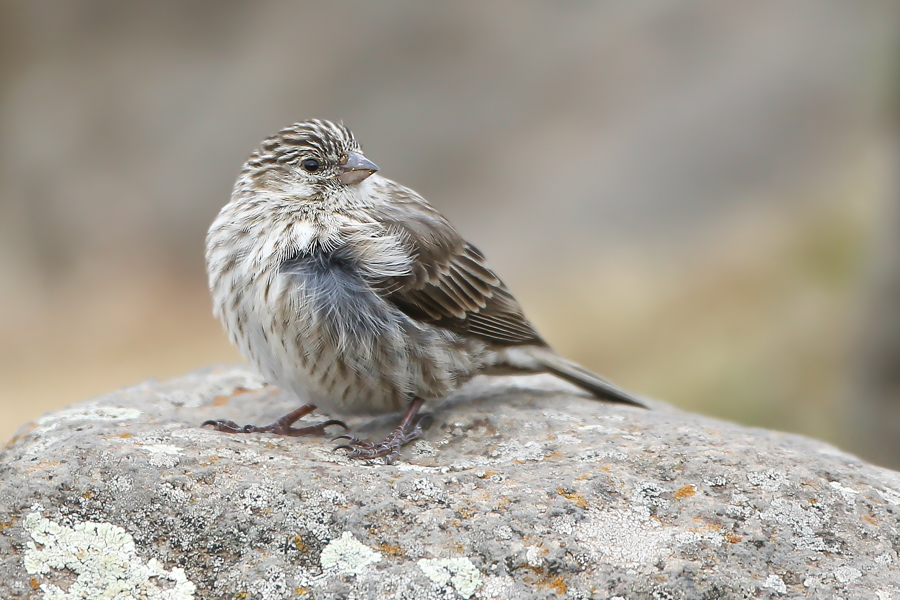
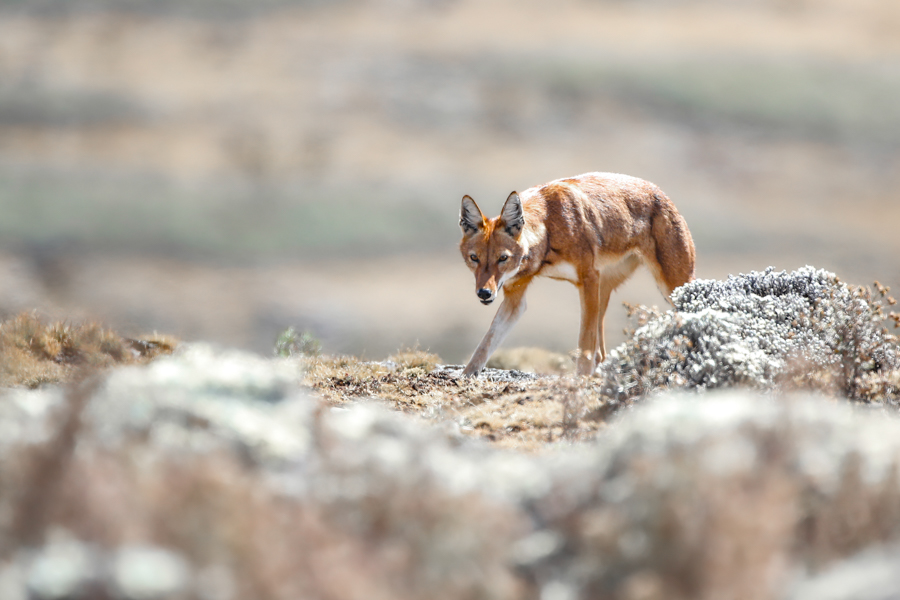
Birding on the Roof of Africa, this tour across vast landscapes allows us to search out ~70 specialties best seen in Ethiopia, including 16 true endemics. Some of the standouts include Arabian Bustard, Spot-breasted Lapwing, Wattled Ibis, Rouget's Rail, Black-winged Lovebird, Abyssinian Owl, Ruspoli's Turaco, White-cheeked Turaco, Star-spotted Nightjar, African Spotted Creeper, Stresemann's Bushcrow, Thick-billed Raven, White-tailed Swallow, Ankober Serin, and of course Ethiopian Wolf! Unlike many other destinations on the continent we can comfortably walk outside of the vehicles during the entirety of this birding safari, while birds are typically very tame and present amazing photographic opportunities due to the lack of hunting.
Next Dates
26 February - 13 March 2027 (16 days)
Leaders:
Joshua Bergmark
Group Size Limit:
7
Single Room Supplement: $
400 USD
Deposit: $
750 USD
Price: $
6700 USD
Add a Title
Leaders:
Joshua Bergmark
Group Size Limit:
Add a Title
Single Room Supplement: $
TBD
Deposit: $
TBD
Price: $
TBD
Add a Title
Ethiopia has some unusual laws about bringing binoculars and telescopes into the country, however rest assured that our ground agent is arranging permits and will meet us at customs on arrival to ensure a smooth entry.
Accommodation:
Comfortable hotels for most of the tour, but more basic in the south and at Goba where occasionally the water systems are broken.
Walking difficulty:
Mostly easy roadside birding. On the Sanetti Plateau we’ll be above 4000m elevation, but again there is not much walking involved.
Tour cost includes:
All accommodation, main meals, drinking water, internal flights, overland transport, tips to local drivers and guides, travel permits, entrance fees, and guide fees.
Tour cost excludes:
Flights before and after the tour start/end, visa, travel insurance, tips to tour leaders, laundry, drinks, and other items of a personal nature.


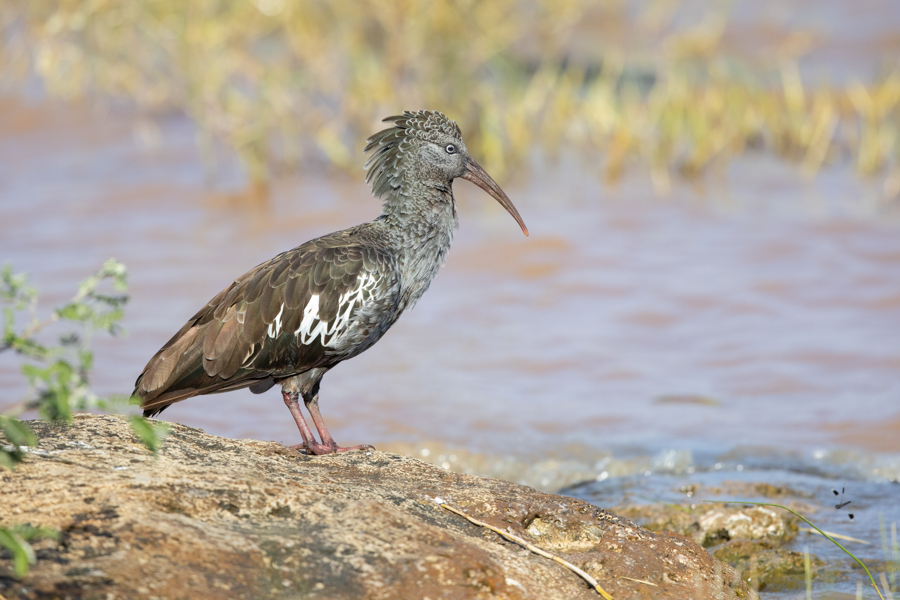
Day 1: Arrivals in Addis Ababa International Airport (ADD) for overnight at our airport-adjacent hotel. The grounds are usually productive and if time allows we’ll look for our first Horn of Africa endemics such as Wattled Ibis, White-collared Pigeon, Swainson’s Sparrow, Brown-rumped Seedeater, Abyssinian Slaty Flycatcher, Ethiopian White-eye, Ethiopian Bee-eater and more widespread birds like Rüppell’s Robin-Chat, Abyssinian Thrush and Tacazze Sunbird.
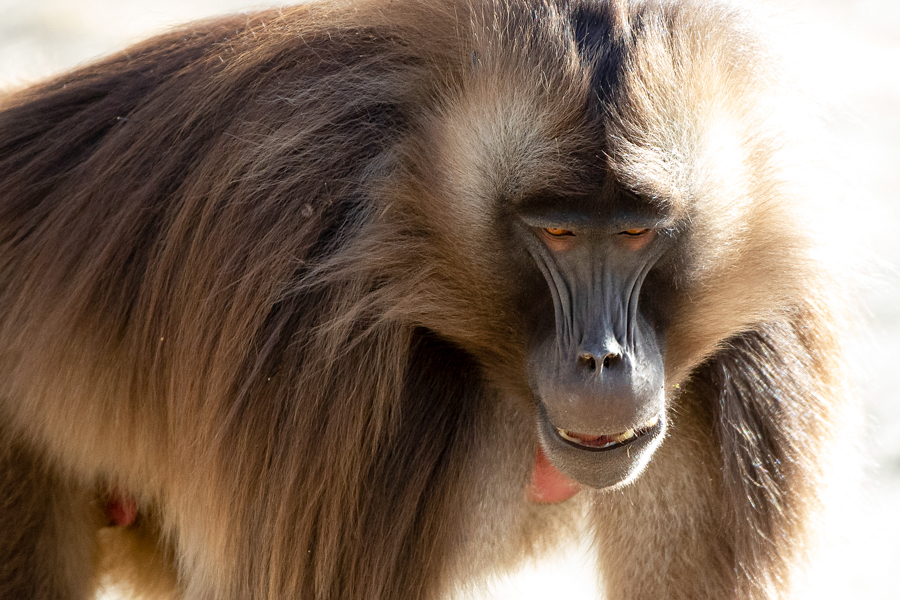
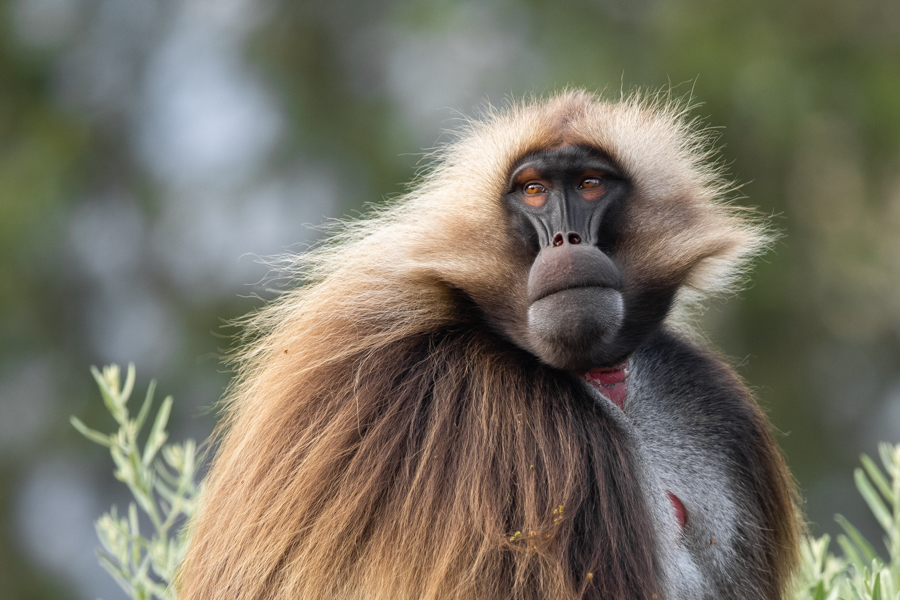
Day 2: This morning we will start early and depart towards Debre Birhan. We will have a field breakfast overlooking the mighty Ankober escarpment at Gemassa Gedel, where our prime target will be the endemic Ankober Serin. Birds will be plentiful, and we will also hope to find the monster Thick-billed Raven, Erckel’s Francolin, Ethiopian Thrush, White-billed Starling, Ethiopian Cisticola, Moorland Chat, Abyssinian Wheatear, White-winged Cliff Chat, and Ethiopian Siskin. A pair of impressive Verreaux’s Eagle is usually present here, so we’ll make sure to scan the skies carefully for that one, and also Nyanza Swift! We will also spend some time marvelling at the impressive Geladas, certainly one of the most-wanted primates in Africa! Huge males are often surrounded by dozens of females and young individuals, making it an unforgettable spectacle.
The rest of the day will be dedicated to our drive towards Awash National Park, birding along the way. Passing through the best area for Yellow-throated Seedeater, we also have our first chances of Arabian Bustard. More special birds may include Eastern Plantain-eater, Hemprich’s Hornbill, Eastern Yellow-billed Hornbill, the range-restricted Yellow-breasted Barbet, Ethiopian Bee-eater, Northern Carmine Bee-eater, Rüppell’s Weaver, Crimson-rumped Waxbill, Abyssinian Sunbird, Beautiful Sunbird, Sahel Bush Sparrow, Chestnut-crowned Sparrow-Weaver, Eastern Paradise Whydah, plus some migrants such as Pied Wheatear and Turkestan Shrike. This evening we will arrive in Awash where we’ll spend the next three nights.
Day 3: Our first day in the area is to be spent scouring the vast expanses of the Aledeghi Wildlife Reserve in search of Somali Ostrich, Arabian Bustard, the scarce Hartlaub’s Bustard, White-bellied Bustard, and hopefully either Yellow-throated Sandgrouse or Lichtenstein’s Sandgrouse with some luck. Others include Black-headed Lapwing, Secretarybird, Yellow-breasted Barbet, Chestnut-backed Sparrow-Lark, Chestnut-headed Sparrow-Lark, Singing Bushlark, Somali Fiscal, Rosy-patched Bushshrike, White-headed Buffalo Weaver, Rüppell’s Weaver, Nile Valley Sunbird, migrants like Pallid Harrier, Montagu’s Harrier, Isabelline Wheatear, Woodchat Shrike, and Masked Shrike. The threatened Grevy’s Zebra and impressive Hamadryas Baboon highlight amongst several other interesting mammals which are present. In the evening a nocturnal excursion will see us search for the beautiful Star-spotted Nightjar, plus Northern White-faced Owl and perhaps Aardvark or African Wildcat.
Day 4: Today is entirely dedicated to the inside of Awash National Park, so will have ample time to explore various stretches of nice savannah and look for more of the specialties of the region such as the localised Gillett’s Lark, Double-banded Courser, Three-banded Courser, Kori Bustard, Buff-crested Bustard, Abyssinian Ground Hornbill, Pygmy Falcon, Abyssinian Scimitarbill, Grey-headed Batis, Slate-coloured Boubou, Ethiopian Boubou, Black-cheeked Waxbill, and a huge array of other widespread birds of eastern Africa. In the evening we will make another attempt at securing good views of Star-spotted Nightjar.
Day 5: Leaving Awash behind and travelling through the Rift Valley, we reach Lake Langano which will be our base for the next two nights. An ancient lava field along the way should produce the endemic Sombre Rock Chat, along with Striolated Bunting. We will also stop at Koka and Ziway Lakes, the fringes usually teeming with birds like Black Crowned Crane, Saddle-billed Stork, and Blue-billed Teal. This is our first chance for the endemic Black-winged Lovebird. In the evening, we stand a good chance of finding Verreaux’s Eagle Owl, Greyish Eagle Owl, African Scops Owl, and African Wood Owl.
Day 6: We’ll spend the whole day around Lake Langano looking for endemics and specialties like Yellow-fronted Parrot, Black-winged Lovebird, White-cheeked Turaco, Banded Barbet, White-rumped Babbler and Ethiopian Oriole, but also many more widespread birds like Clapperton's Spurfowl, Silvery-cheeked Hornbill, Bare-faced Go-away-bird, Double-toothed Barbet, Red-fronted Barbet, Black-billed Woodhoopoe, Red-throated Wryneck, Mountain Grey Woodpecker, Ethiopian Boubou, Grey-backed Fiscal, Buff-bellied Warbler, Western Black-headed Batis, Rüppell’s Starling, African Citril, and Red-headed Weaver.
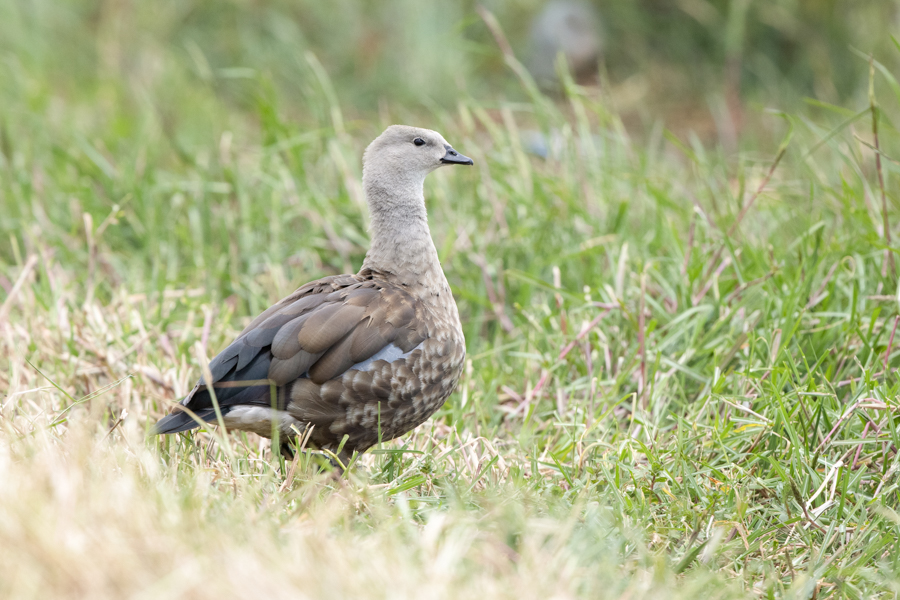
Day 7: Today will see us transiting to the base of the Sanetti Plateau at Goba, but we’ll make several birding stops along the way. Firstly, a wooded valley hosting a number of regional endemics like the difficult Abyssinian Woodpecker, Abyssinian Ground Thrush, White-backed Black Tit and more White-cheeked Turaco. Rising ever higher we’ll stop at a Cape Eagle-Owl roost, while some nearby wetlands usually host good numbers of the endemic and beautiful Spot-breasted Lapwing, Chestnut-naped Spurfowl, Wattled Ibis, the unique Rouget’s Rail, Blue-winged Goose, White-collared Pigeon, Red-chested Swallow, Ethiopian Swallow, Rusty-breasted Wheatear, Abyssinian Longclaw, Moorland Chat, Baglafecht Weaver, Brown-rumped Seedeater and Ethiopian Siskin, amongst others. We will also search for roosting Abyssinian Owl before reaching our accommodation at Goba.
Day 8-9: Up on the beautiful Sanetti Plateau, at the top of the Bale Mountains, we will be looking for more endemics such as Moorland Francolin, Blanford’s Lark, Abyssinian Catbird, the undescribed "Ethiopian Moorland Martin”, Abyssinian Slaty Flycatcher, as well as more species from previous days like Chestnut-naped Spurfowl, Rufous-breasted Sparrowhawk, Abyssinian Woodpecker, White-backed Black Tit, Brown Woodland Warbler, Thekla’s Lark, and Brown Parisoma.
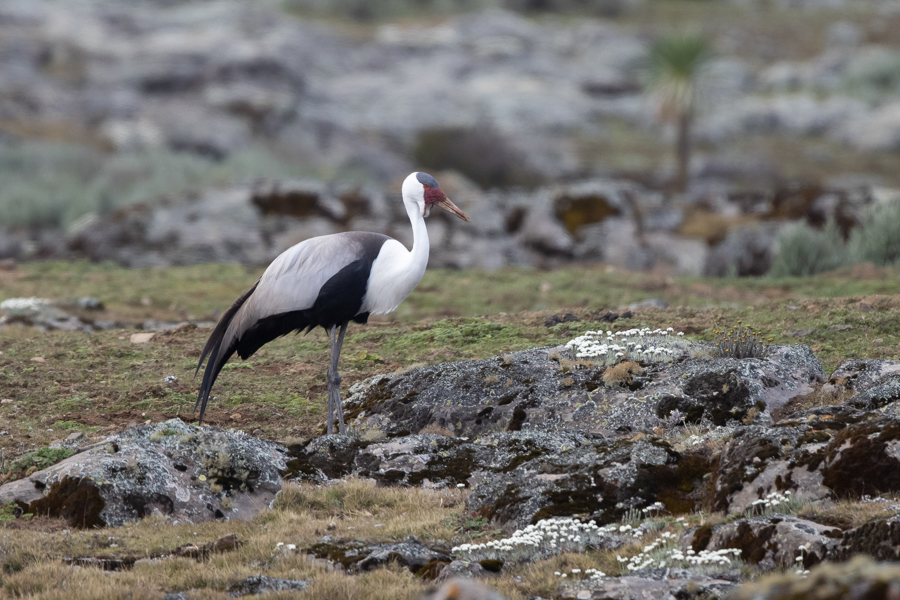
One of the main attractions of the Sanetti Plateau is a chance of finding the most-wanted Ethiopian Wolf! Populations have been down recently due to outbreaks of canine diseases transmitted by domestic dogs, but we do still stand a good chance of finding the species. Its prey, the oddly-shaped Giant Root Rat, should prove more easily seen, as well as more mammals like Mountain Nyala, Ethiopian Klipspringer and Starck’s Hare. We will also keep an eye out for another declining specialty, the Wattled Crane. Later in the day, a little to the east, we can find Salvadori’s Seedeater and Brown-tailed Rock Chat.
Day 10: After some final birding around Goba, we will retrace our steps and move to Awassa for an overnight. This is the much-anticipated day to see African Spotted Creeper at a site where they are positively easy to see, while shoreline next to our hotel holds the likes of Lesser Jacana, African Pygmy Goose, Black Crake, Allen’s Gallinule, Blue-headed Coucal, many kingfishers, and hundreds of Marabou Storks.
Day 11: Today will mostly be a transit day towards Yabello in the far south of the country, but we’ll make birding stops along the way, perhaps seeing our first Stresemann's Bushcrow or White-tailed Swallow!
Day 12-13: We will have two full days to cover the grounds between Yabello and Mega, mostly looking for the very localised Stresemann's Bushcrow and White-tailed Swallow. Open savanna woodland in this region is incredibly rich in birdlife, and we will be overwhelmed by the abundance of weavers, larks, cisticolas, hornbills, rollers and raptors. Amongst others, Von der Decken’s Hornbill, Red-bellied Parrot, D’Arnaud’s Barbet, Somali Crow, Fan-tailed Raven, Red-naped Bushshrike, Rosy-patched Bushshrike, Foxy Lark, Tiny Cisticola, Banded Parisoma, Somali Tit, Shelley’s Starling, Bristle-crowned Starling, White-crowned Starling, Rufous Chatterer, Scaly Chatterer, the rare Stripe-breasted Seedeater, Reichenow’s Seedeater, Northern Maked Weaver, Vitelline Masked Weaver, Grey-capped Social Weaver, Black-capped Social Weaver, Shelley’s Rufous Sparrow, Chestnut Sparrow, Northern Grosbeak-Canary, and the stunning Purple Grenadier. At night, can look for the beautiful Donaldson Smith’s Nightjar.
At the nearby small village of Arero the much-wanted and stunning Prince Ruspoli’s Turaco will be at the top of our wishlist, usually one of the most-wanted birds of the trip but saved for last! We will also pay a visit to the Sarité Plain where we stand a reasonable chance of finding Masked Lark and perhaps even Golden Pipit if the conditions are good.
Day 14: From Yabello back north to Awassa, stopping for anything that is still needed along the way.
Day 15: Diverting a little west to Gibe Gorge we will focus on two final Ethiopian specialties, Red-billed Pytilia and Yellow-rumped Seedeater. There is an outside chance for the very rare Barka Indigobird, while family listers will revel in a fantastic opportunity to see the monotypic Egyptian Plover.
Day 16: After some morning birding around Gibe Gorge we retrace our steps north and will make some stops in search of Kafa White-eye before returning to Addis Ababa International Airport (ADD) where tour ends late this afternoon with dropoffs at the departure terminal.