











Guyana
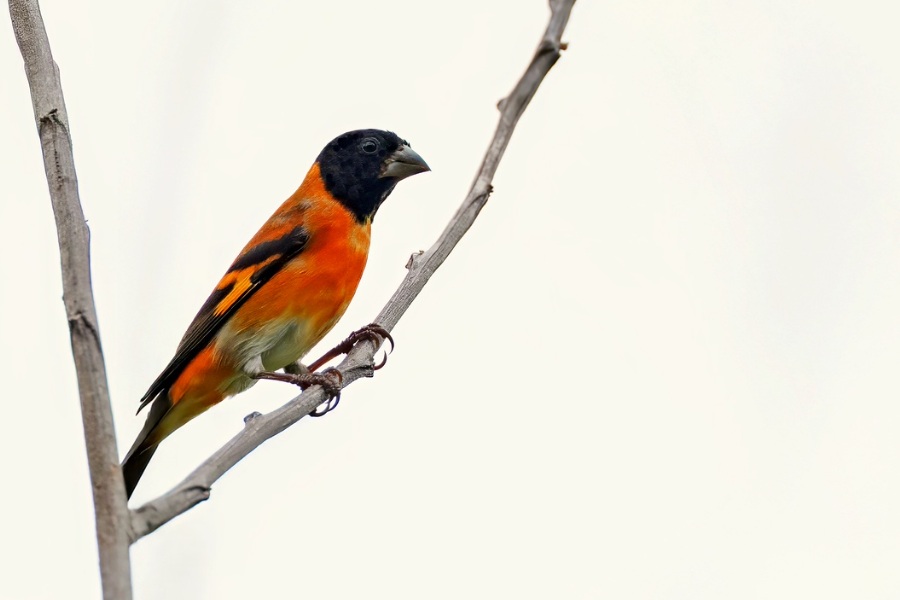
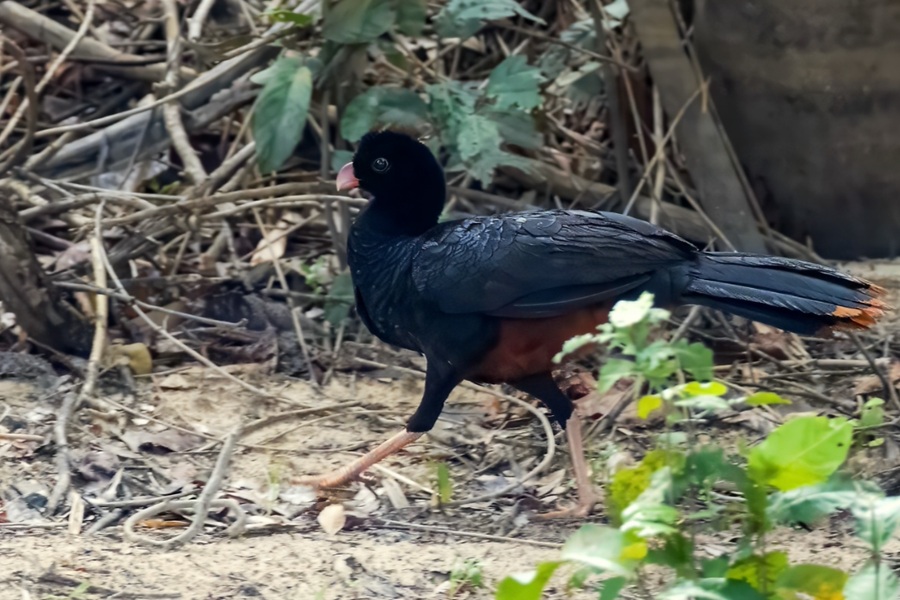
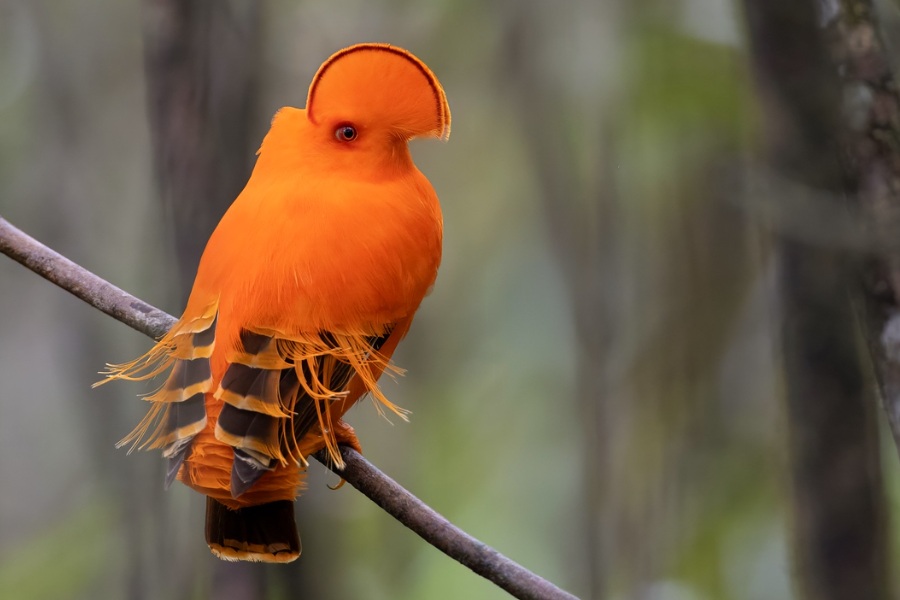
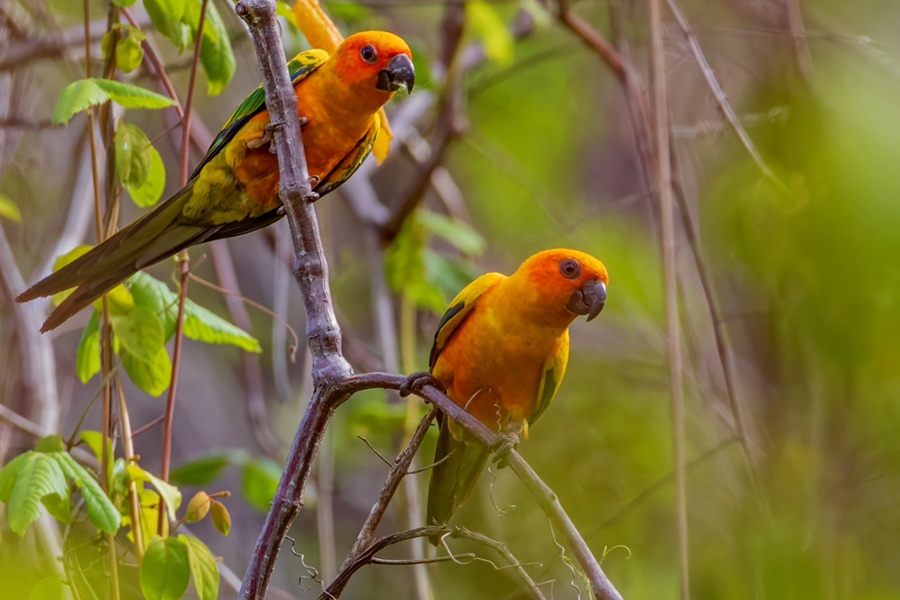
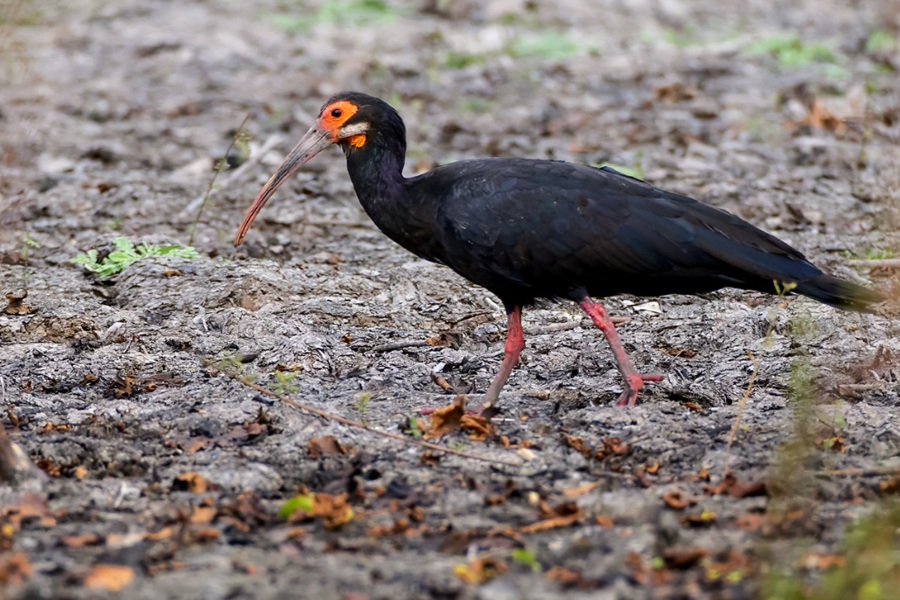
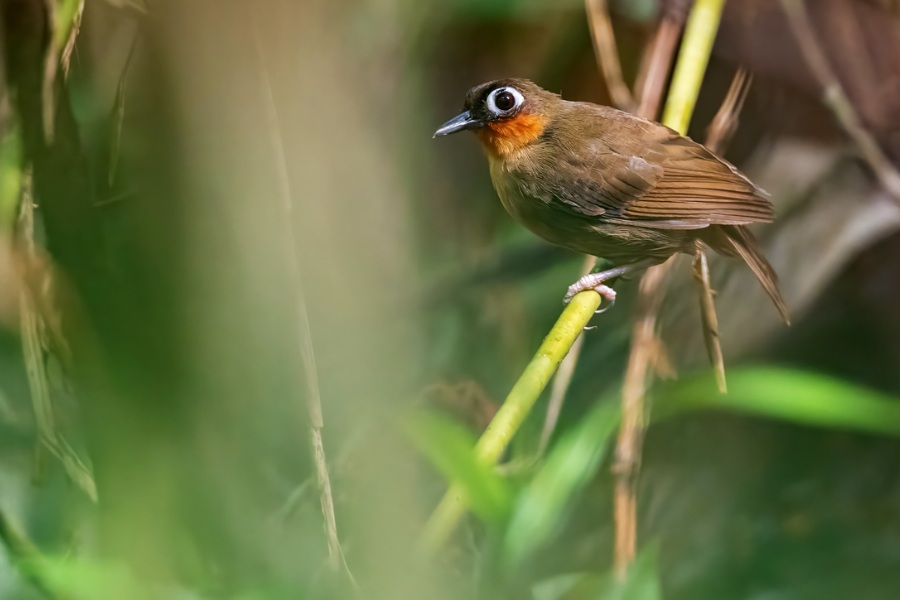
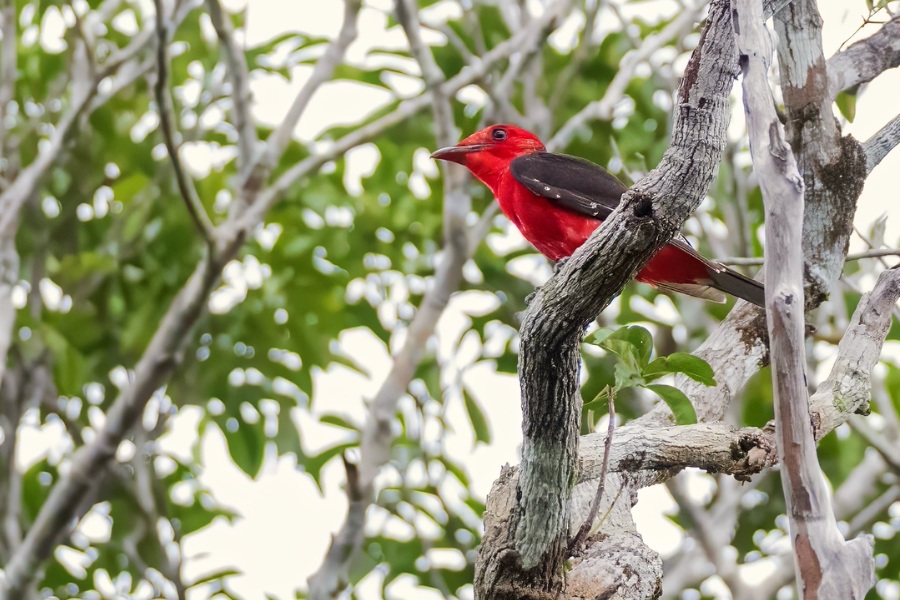
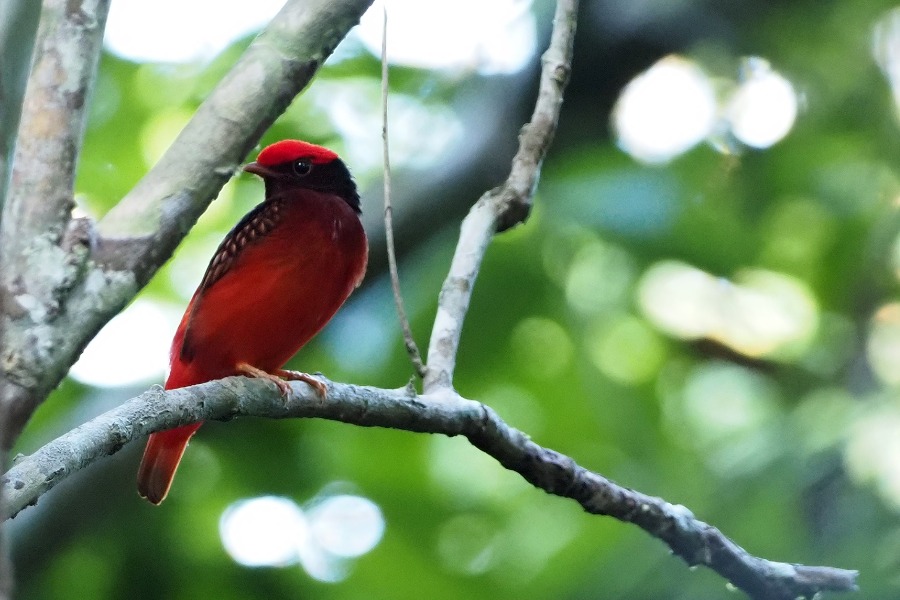
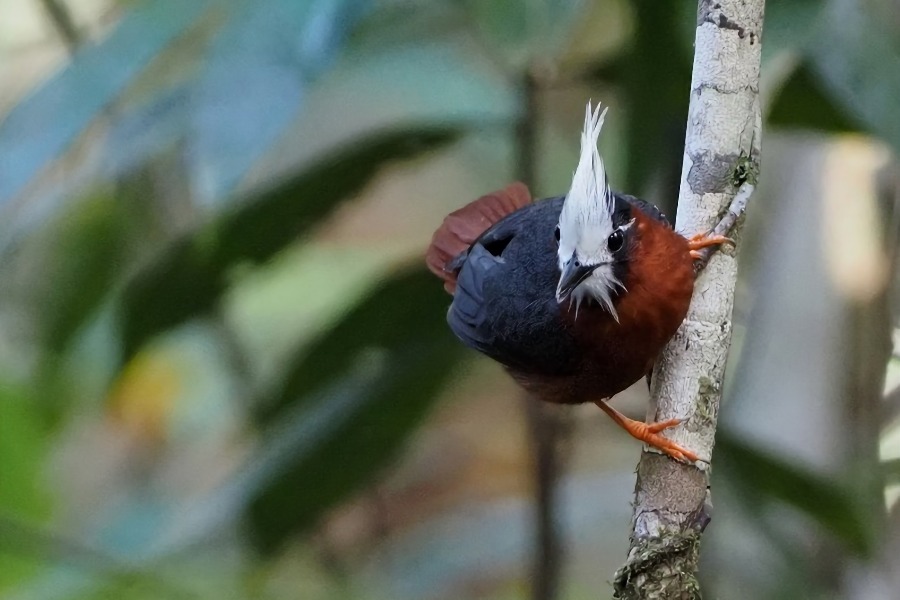
Explore the country with more forest cover than any other, where we have extended time to maximise chances for Rufous-winged Ground Cuckoo. Other specialties include Crestless Curassow, Grey-winged Trumpeter, Sharp-tailed Ibis, Sun Parakeet, Guianan Cock-of-the-Rock, Capuchinbird, Red Siskin, and dozens of Guianan Shield endemics.
Next Dates
12 January - 26 January 2028 (15 days)
Leaders:
Daniel López-Velasco
Group Size Limit:
7
Single Room Supplement: $
500 USD
Deposit: $
1500 USD
Price: $
9200 USD
Add a Title
Leaders:
Daniel López-Velasco
Group Size Limit:
Add a Title
Single Room Supplement: $
TBD
Deposit: $
TBD
Price: $
TBD
Add a Title
Accommodation:
Mostly comfortable throughout the tour, but Atta and Surama are moderately basic with no hot water available.
Walking difficulty:
Mostly flat, but some moderately long walks covering several kilometres in the forest.
Tour cost includes:
All accommodation, main meals, drinking water, internal flights, overland transport, tips to local drivers and guides, travel permits, entrance fees, and guide fees.
Tour cost excludes:
Flights before and after the tour start/end, visa, travel insurance, tips to tour leaders, laundry, drinks, and other items of a personal nature.


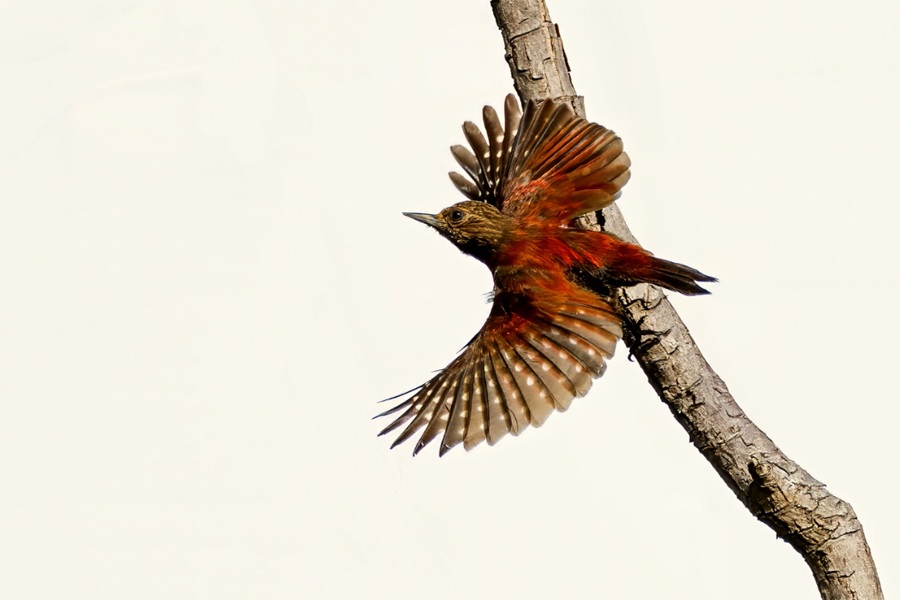
Day 1: Arrivals into Georgetown Airport, and transfer to nearby hotel for overnight. Depending on arrival times, we may make a first attempt for Blood-coloured Woodpecker in the nearby botanical gardens this afternoon.
Day 2: We depart this morning on our chartered flight over a huge swathe of unspoilt rainforest towards Iwokrama River Lodge. If the weather is fair, we will make a two-hour stop at Kaieteur Falls, the world’s highest free-falling waterfall. Here, we will hope to find White-chinned Swift and White-tipped Swift swirling over the gorge, and perhaps have our first sighting of the astonishingly colorful Guianan Cock-of-the-rock or catch up with some Orange-breasted Falcons. There is also a small chance for Roraiman Antbird. Reboarding the plane and continuing on, we will arrive at Iwokrama Lodge later this afternoon and begin exploring the forest trails. Species could include Spotted Antpitta, White-plumed Antbird, Rufous-throated Antbird, Amazonian Pygmy-Owl, Black-faced Hawk, and Guianan Trogon. After dark, spotlighting might produce Mottled Owl, Crested Owl, Northern Tawny-bellied Screech Owl, Short-tailed Nighthawk, and Long-tailed Potoo.
Day 3: Taking an early boat ride on the Essequibo River to the Turtle Mountain Trail, this will be our first chance for the elusive Rufous-winged Ground Cuckoo, so we will be hoping to find an army-ant swarm attended by this mega specialty. On the boating journey, we might see Black-collared Swallow, Scarlet Macaw, White-throated and Channel-billed Toucan, Painted Parkeet, and Ladder-tailed Nightjar on their day roost above the streaming water. In the forest, understory flocks hold White-flanked Antwren, Long-winged Antwren, Brown-bellied Stipplethroat, Ferruginous-backed Antbird, and Yellow-billed Jacamar.
Day 4: Departing Iwokrama early this morning, we will bird on the road along the way to our next destination. Possible species include Grey-winged Trumpeter, Guianan Toucanet, Guianan Red Cotinga, Purple-breasted, Pompadour, and Spangled Cotingas. Canopy flocks can also produce, Ash-winged Antwren Buff-cheeked Greenlet, Lemon-chested Greenlet, Olive-green Tyrannulet, Zimmers Flatbill, Guianan Tyrannulet, Yellow-throated Flycatcher and Guianan Puffbird.
Arriving in time for lunch at Atta Rainforest Lodge, we will be kept busy by hummingbirds including the magnificent Crimson Topaz, Racket-tailed Coquette, Black-eared Fairy, Long-tailed and Reddish Hermit, Grey-breasted Sabrewing and Forked-tailed Woodnymph. The afternoon will be spent around the lodge clearing and entrance road, which is the best area on the tour for Black Curassow. There is plenty to spotlight here, with both White-winged and Rufous Potoo regularly recorded, along with Black-banded Owl, Spectacled Owl, Mottled Owl and Blackish Nightjar.
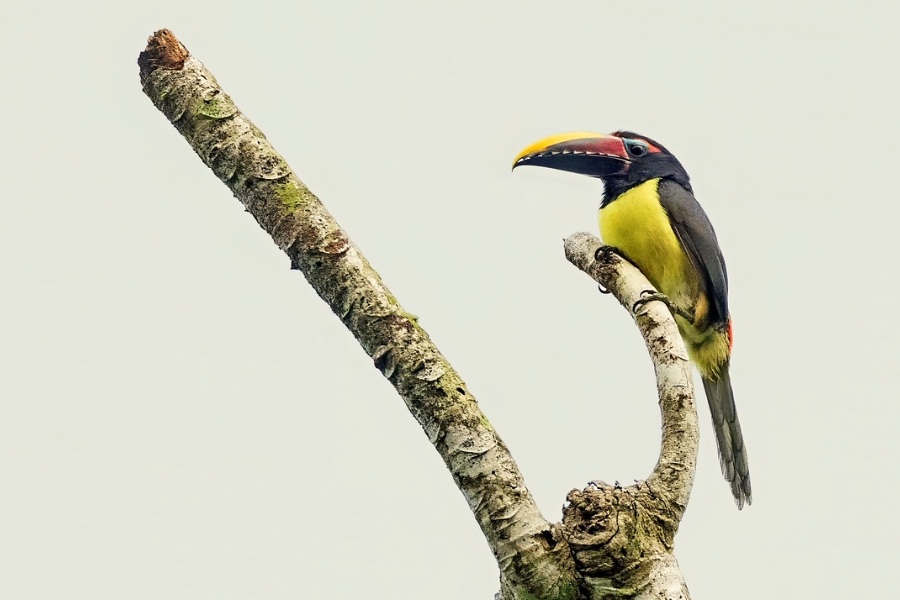
Day 5: We’ll head out early to Atta’s the excellent canopy walkway, climbing 120 steps to reach the top of the towers! Some of the key birds here include Todd’s Antwren, Spot-tailed Antwren, Short-tailed Pygmy-Tyrant, Green Aracari, Painted Parakeet, Caica Parrot, Black-headed Parrot, Guianan Puffbird, Dusky Purpletuft, Paradise Tanager, Opal-rumped Tanager, Golden-sided Euphonia, Purple and Green Honeycreepers, Black-faced Dacnis, and Black Nunbird to name a few.
We’ll spend the rest of the day searching the many other remarkable birds that make this area home. Specialties might include Gray-winged Trumpeter, Black-faced Hawk, Marail Guan, Cayenne Jay, Guianan Toucanet and Guianan Schiffornis. Fruiting trees in this area are typically full of cotingas, so if we can find one there will be a chance to enjoy Pompadour, Purple-breasted, and Guianan Red Cotingas, as well as Guianan Puffbird and the outrageous Crimson Fruitcrow. Other species could include Waved Woodpecker, Red-necked Woodpecker, Golden-collared Woodpecker, Amazonian Barred Woodcreeper, Red-billed Woodcreeper, Ferruginous-backed Antbird, Rose-breasted Chat, Guianan-streaked Antwren, Black-chinned Antbird, Dusky Antbird, Cinnamon-throated Woodcreeper, and Chapman’s Swift.
Day 6: Departing early we will visit a Guianan Cock-of-the-rock lek, and we have an excellent chance of seeing the display of these strange birds! After spending the whole morning birding nearby we’ll drive towards Surama Ecolodge. Birding stops might produce Marail Guan, Green Aracari, Guianan Puffbird, Dusky Purpletuft, Black-spotted Barbet, Harpy Eagle, Crested Eagle, Ornate Hawk-Eagle, Black Hawk-Eagle, Tiny Hawk, Black and White-Hawk Eagle, Black-bellied Cuckoo, Green Oropendola, and Crimson Fruitcrow. Occasionally Jaguar and Ocelot are seen on this road, so we will keep an eye out! After arriving at the lodge this afternoon, we will do some initial birding, and at dusk White-tailed Nightjar, Least Nighthawk, Lesser Nighthawk, Tropical and Tawny-bellied Screech-Owls will be obvious by call.
Day 7-8: We have two full days on the forest trails at Surama to maximise our chances for the beautiful Rufous-winged Ground Cuckoo, but this area also provides the best opportunity on the tour to observe Capuchinbird. Hopefully we can enjoy this strange cotinga puffing themselves up in the vicinity of their leks! We’ll also look for the range-restricted Cayenne Jay, along with Grey-winged Trumpeter, Crimson Fruitcrow, Red-necked Woodpecker, Caica Parrot, Painted Tody Flycatcher, Golden-headed Manakin, Wing-banded Antbird, Red-legged Tinamou, Blue-throated Piping Guan, Rufous-throated Antbird, and White-plumed Antbird.
Sometimes there is an active Harpy Eagle nest nearby which we can visit, while other more widespread species include Rufous-bellied Antwren, Collared Puffbird, White-crowned Manakin, Cinnamon-crested Spadebill, Scale-backed Antbird and Black-throated Antshrike. Other species here include Great Potoo, Forest Elaenia, White-throated Toucan, Finch’s Euphonia, Scarlet Macaw, Striped Woodcreeper, Spotted Puffbird, and King Vulture. Other species could include Rufous-breasted Hermit and White-crested Spadebill, Marbled Wood Quail, Black-throated Trogon, Plain-brown Woodcreeper, Cinnamon-rumped Foliage-gleaner, Plain Xenops, Amazonian Antshrike, White-bearded Manakin and Whiskered Myobius. We will also check out a grassland area that sometimes holds the unusual White-naped Xenopsaris.
Day 9: Following a final morning of birding around Surama Ecolodge, it will be time to transfer west to Rock View Lodge for our two-night stay. After unpacking, a late afternoon in the nearby grassland will see Bearded Tachuri and Crested Doradito as our main targets, but this is also an excellent place to see the bizarre Giant Anteater!
Day 10: We will take two boat trips on the Rupununi River today, primarily in search of the declining Crestless Curassow (in this area it is not uncommon, due to the absence of hunting). There is a good chance of also encountering Giant Otter, Guianan Red Howler Monkey, White-faced Saki, Brown-bearded Saki, Squirrel Monkey, Black Caiman, and Spectacled Caiman. Other new birds we might see include Red-legged Tinamou, Black Skimmer, and Agami Heron, while the open sky as we cruise along is of course great for parrots and raptors.
Day 11: Leaving early, we’ll continue on to the village of Karassabai, an Amerindian village in the foothills of the Pacaraimas where the astonishingly beautiful Sun Parakeet is found. Once almost wiped-out of the region by intense trapping for the pet trade, the population of the parakeet has begun to rebound under the protection of the local community with the support of ecotourism. We will also look for distinctive subspecies of White-bellied Piculet and Yellow-hooded Blackbird. After lunch, we will bird our way across the savannas to Manari Ranch, our base for the next three nights. At dusk we will probably see Lesser, Least and Nacunda Nighthawks.
Day 12: Our target species around Manari will be two poorly known and very local endemic species: Hoary-throated Spinetail and Rio Branco Antbird. To reach the required habitat we will take a boat along the river, searching en route for Olivaceous Saltator, along with Pearl Kite, Aplomado Falcon, Rufous-tailed Jacamar, White-throated Kingbird and Flavescent Warbler. During the afternoon, birding can be done back at Manari where Red-shouldered and Red-bellied Macawas come to roost, while Green-rumped Parrotlet, Orange-backed Troupial, Low-Land Hepatic, Bicolored Wren, and the occasional Ruby Topaz are all possible.
Day 13: Today we will take a day trip to see the Endangered and localized Red Siskin. This requires a 3am start in 4WDs, but once we arrive and meet with our local guides it shouldn’t take long to find this attractive species. We will also put in effort for Finsch’s Euphonia and Sharp-tailed Ibis. Other species might include Little Chachalaca, Black-collared Hawk, Double-striped thick-knee, Bearded Tachuri, Pale-bellied Tyrant Manakin, Pale-tipped Inezia, White-naped Xenopsaris, Ashy-headed Greenlet. We will enjoy a delightful field lunch before making our way back to Manari Ranch.
Day 14: After a final morning birding at Manari we will head to Lethem Airport to catch our flight (this time a commercial one) back to Georgetown. The afternoon will be spent out along the coast searching for the near-endemic Rufous Crab Hawk and Mangrove Rail, but will inevitably include the beautiful Scarlet Ibis!
Day 15: Walking around the botanic gardens to conclude the tour on our last morning, we hope to nail down Blood-coloured Woodpecker before heading to the airport where the tour ends at midday.