Madagascar: Special
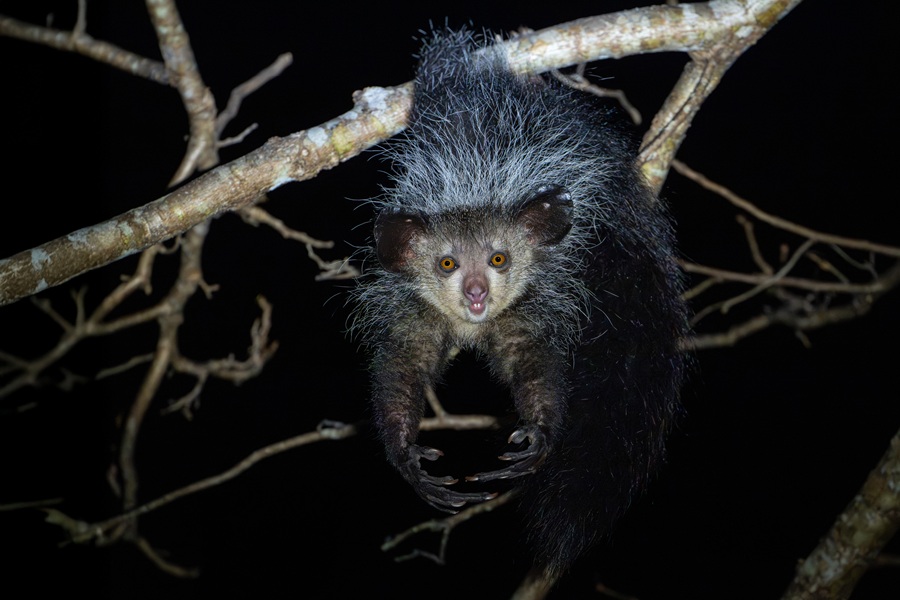
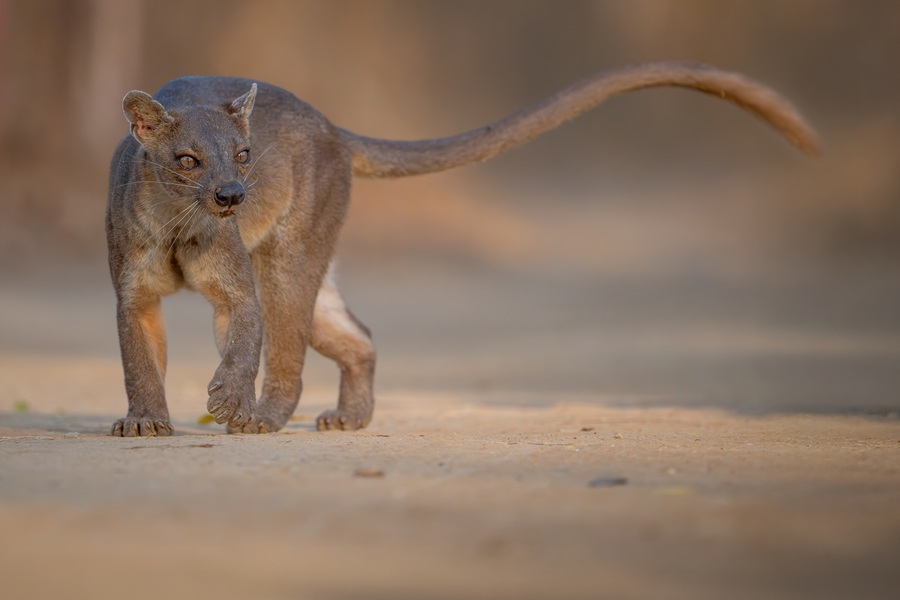
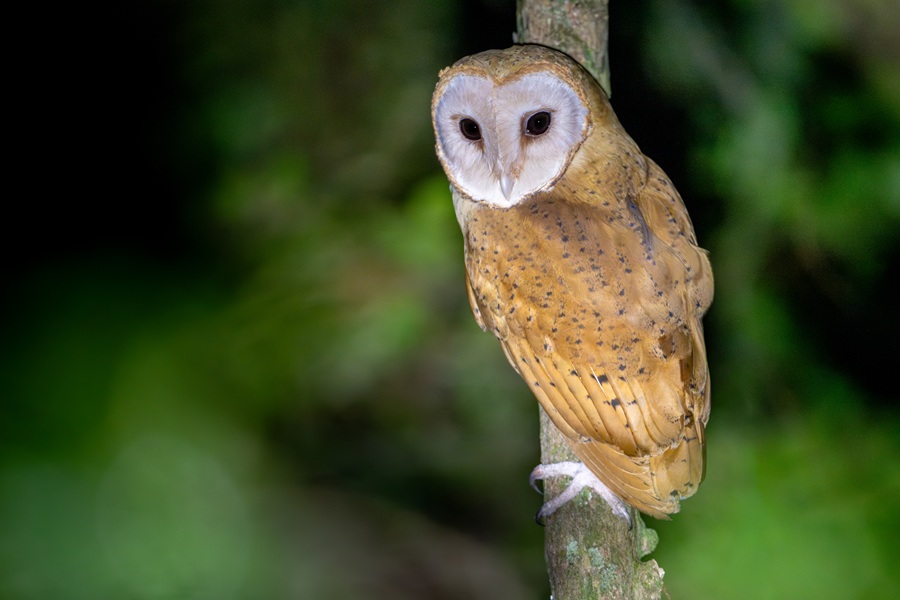
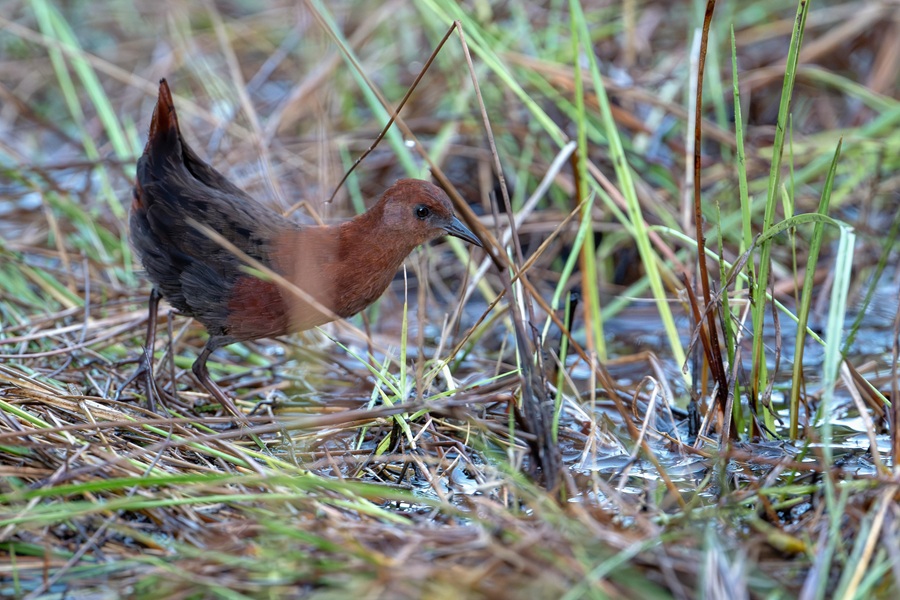
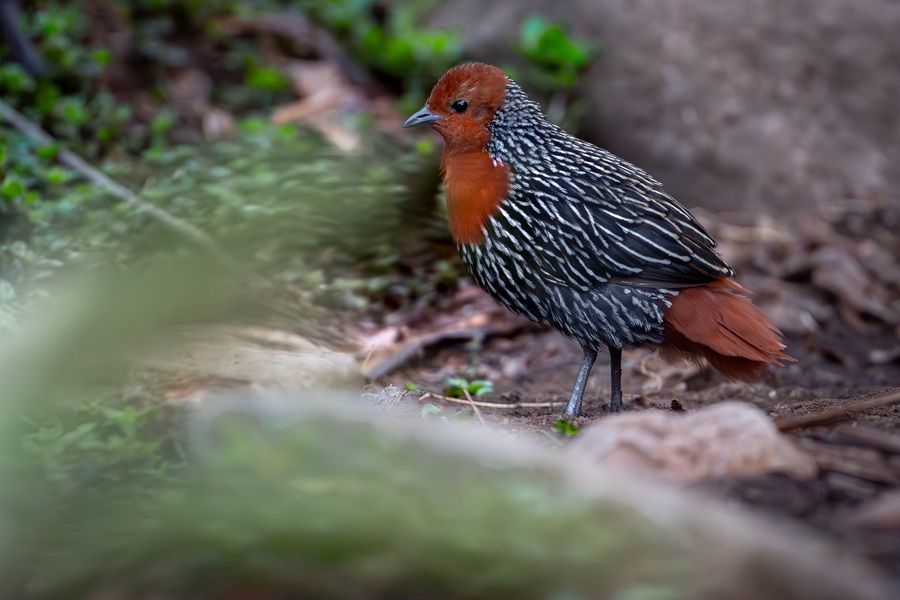
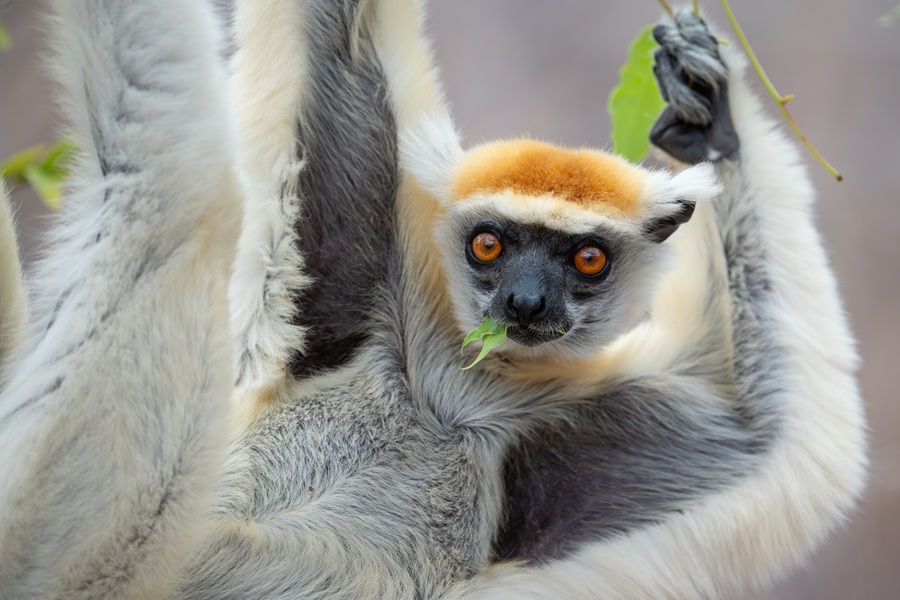
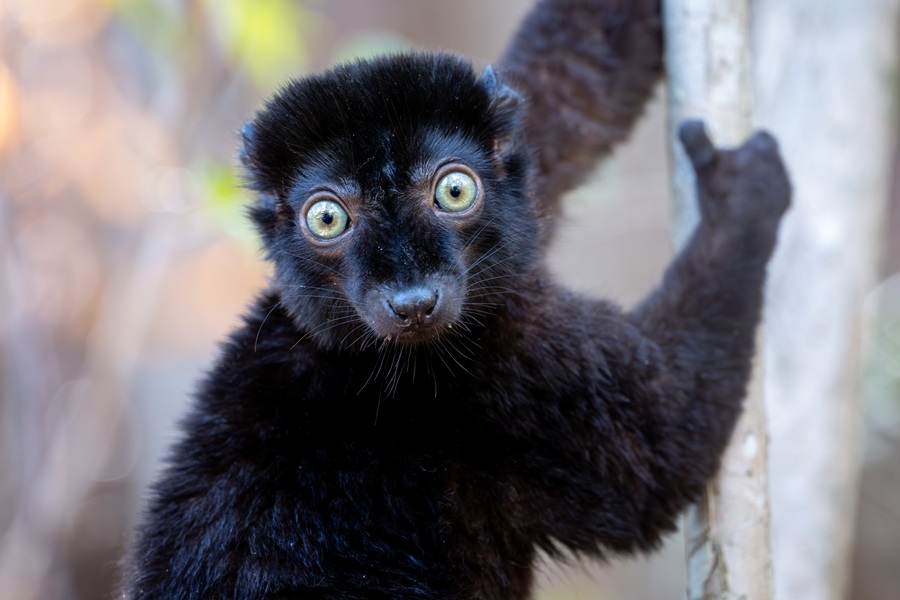
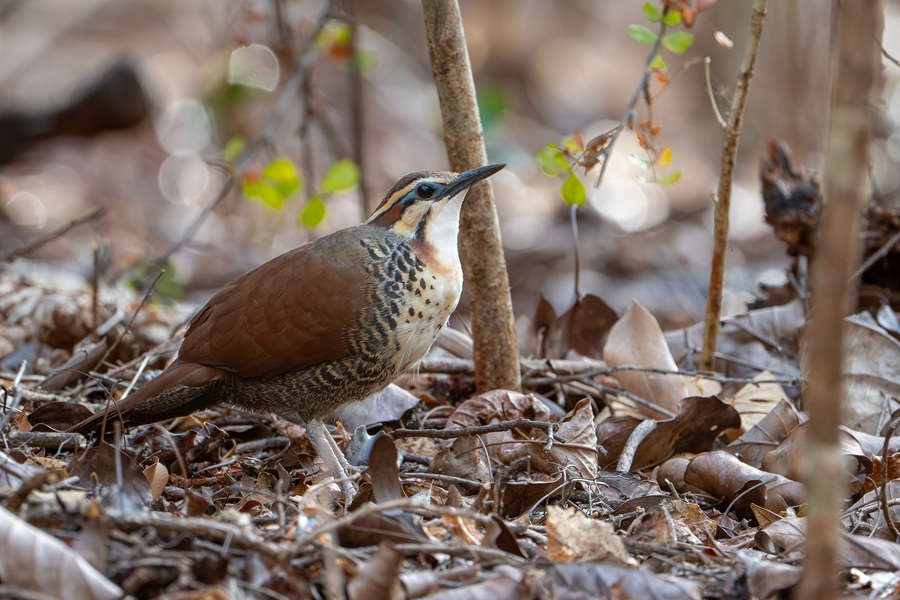
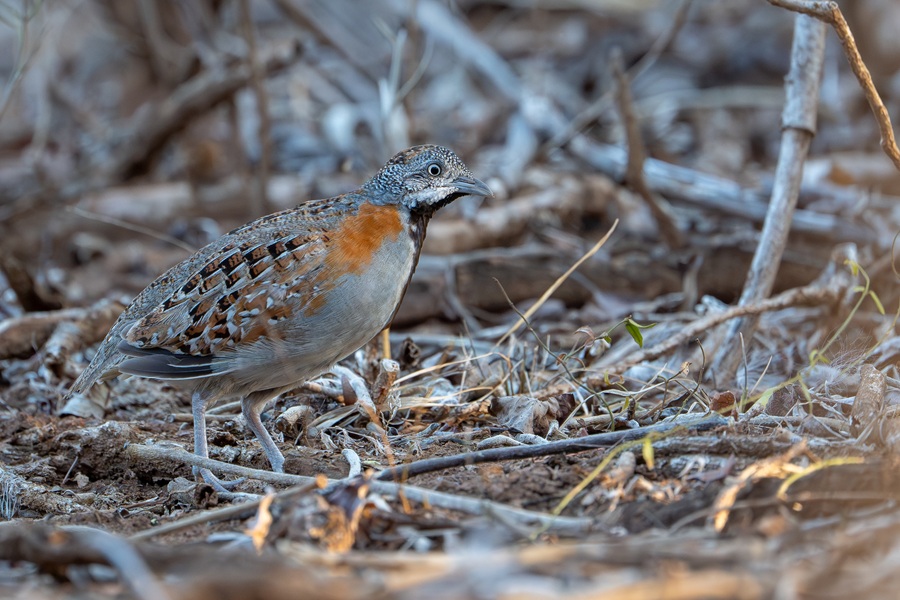
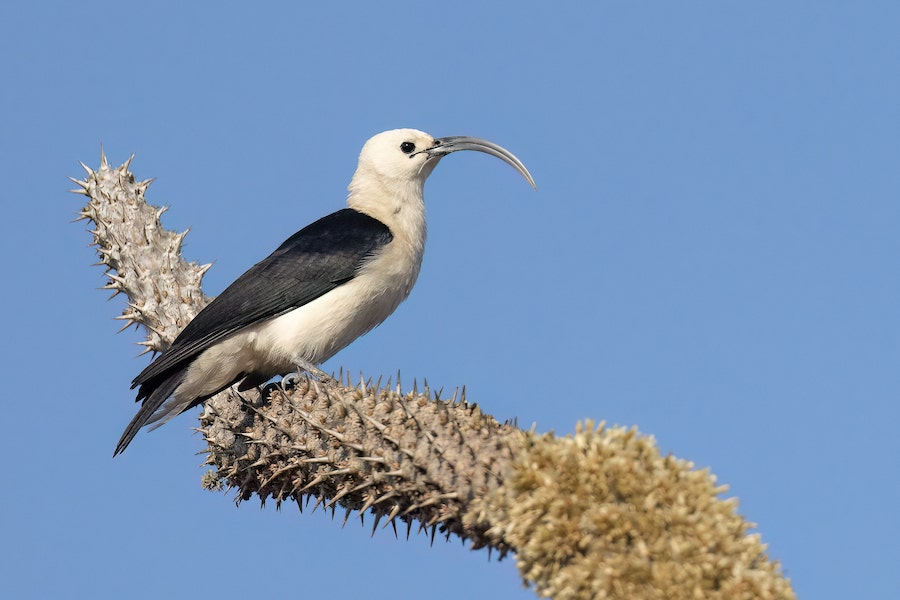
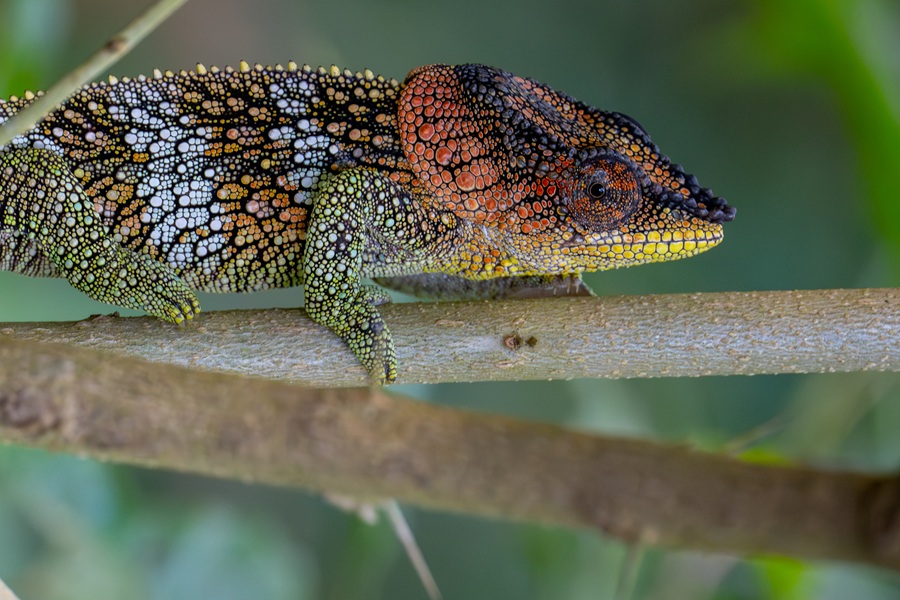
Visit a stunning wilderness area where the incomparable Aye-aye is near-guaranteed. Unlike other sites visited by more general wildlife operators, the animals at Daraina are truly wild and smaller trees usually allow for intimate but respectful encounters with this mesmerising creature. We'll work south towards Madagascar Pochard, Red Owl, Slender-billed Flufftail, Tsingy Forest Rail, Giant Coua, White-breasted Mesite, Sickle-billed Vanga, and Schlegel's Asity. Focus is also on many other exciting mammals like Black Sifaka, Golden-crowned Sifaka, Von der Decken's Sifaka, Blue-eyed Black Lemur, Red-fronted Brown Lemur, and the unique Fosa at the best site for this strange carnivore. Expect many nocturnal lemurs, vibrant chameleons, and all sorts of other weird and wonderful wildlife on this itinerary with a difference.
Next Dates
1 October - 17 October 2027 (17 days)
Leaders:
Ohad Sherer
Group Size Limit:
7
Single Room Supplement: $
600 USD
Deposit: $
1500 USD
Price: $
9500 USD
Add a Title
Leaders:
Ohad Sherer
Group Size Limit:
Add a Title
Single Room Supplement: $
TBD
Deposit: $
TBD
Price: $
TBD
Add a Title
30 September - 21 October 2028 (22 days)
Leaders:
Donna Belder
Group Size Limit:
7
Single Room Supplement: $
900 USD
Deposit: $
1500 USD
Price: $
TBD
Add a Title
Leaders:
Donna Belder
Group Size Limit:
Add a Title
Single Room Supplement: $
TBD
Deposit: $
TBD
Price: $
TBD
Add a Title
In alternate years we run this tour with an extra five days visiting the beautiful Masoala Peninsula. Due to the charter flight involved, it must be included as a compulsory part of the main tour and not offered as an optional extension. Years with a 17 day itinerary do not include Masoala, while years with a 22 day itinerary do include Masoala.
Accommodation:
A wide range, from very nice lodges (Black Lemur, Kirindy), more standard but still comfortable lodges (Tsingy) to pleasant tented safari camps (Dariana, Bemanevika), and otherwise comfortable hotels in towns and cities. Regardless of single supplement, all participants will have a single tent during the camping phases.
Walking difficulty:
Generally easy walking and roadside birding, but some moderate trails with steep sections traversed slowly over the course of a few hours while looking for Aye-aye and around Bemanevika.
Tour cost includes:
All accommodation, main meals, drinking water, internal flights (as stated in itinerary), overland transport, tips to local drivers and guides, travel permits, entrance fees, and guide fees.
Tour cost excludes:
Flights before and after the tour start/end, visa, travel insurance, tips to tour leaders, laundry, drinks and other items of a personal nature.
%20Ornis%20Birding%20Expeditions.jpg)


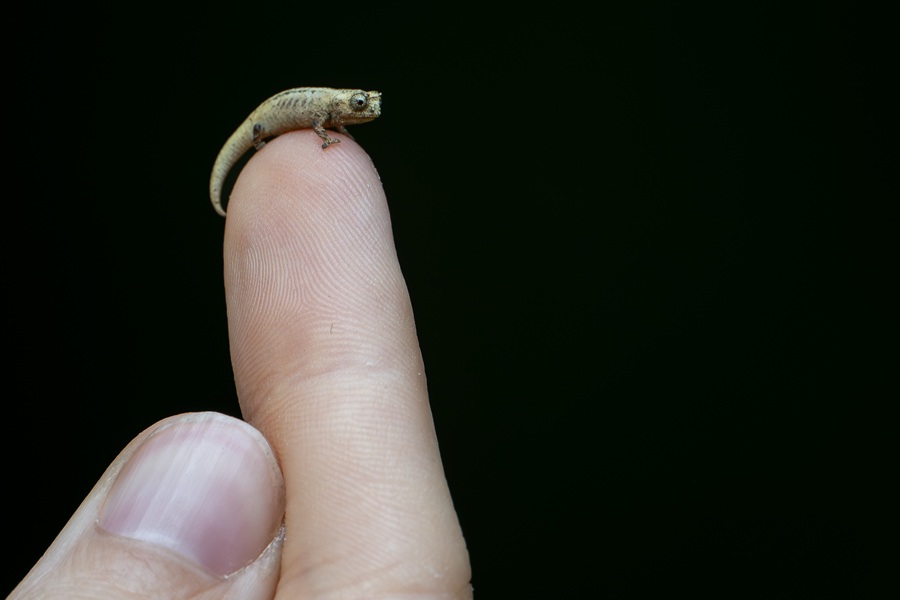
Day 1: After meeting at Antananarivo International Airport (TNR), a short flight takes us to Antsiranana at the northernmost tip of the island. Driving a short distance to the base of Amber Mountain, we will stay for one night. Our afternoon exploration should produce the endemic Amber Mountain Rock Thrush, along with Sanford's Brown Lemur and several exciting reptiles like Calumma amber and Brookesia tuberculata (the third-smallest chameleon in the world, this genus being amongst the smallest living vertebrates). Spotlighting will be exciting too with plenty of Arnhold’s Mouse Lemur and Amber Mountain Dwarf Lemur expected, amongst numerous frogs and reptiles.
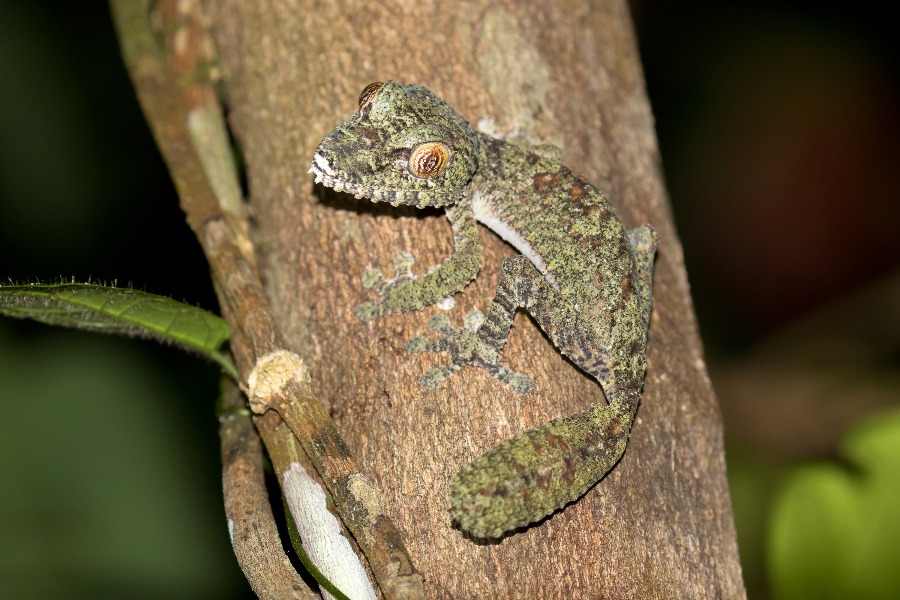
Day 2: Morning in the forest on Amber Mountain again, where we might be able to find the cracking Ring-tailed Vontsira. Continuing to the luxurious Black Lemur Lodge, we will settle in for an initial afternoon walk which might find us Hook-billed Vanga and Blue Vanga. Spotlighting could produce more gems like Madagascar Scops Owl, Tavaratra Mouse Lemur, Ankarana Dwarf Lemur, and perhaps Uroplatus henkeli.
Day 3: The protected forest here hosts one of the world’s 25 rarest primates, the Critically Endangered Perrier’s Sifaka, which our local guides should have staked out for us. Ankarana Sportive Lemur should also be on view nearby, then after lunch we’ll continue towards Daraina to make sure we arrive before dusk. Crossing our fingers that local guides have already found an Aye-aye nest, we hope to be treated to outstanding views as this bizarre mammal emerges and meticulously grooms in preparation for the night ahead. The largest nocturnal primates on Earth, Aye-ayes are truly weird-looking creatures, combining a gremlin-like face, a large cat-like tail, rodent-like teeth that perpetually grow, bat-like ears, and, of course, their magical elongated finger. Sadly, they also make the list as one of the 25 rarest primates in the world. Night in Daraina.
Day 4: Our full day around Daraina will be highlighted by the beautiful but Critically Endangered Golden-crowned Sifaka, which we should be able to find near our safari camp, along with the attractive Crowned Lemur. There is a good chance for White-breasted Mesite and Madagascar Buttonquail, amongst other more widespread endemic birds like Malagasy Paradise Flycatcher and Malagasy Green Sunbird. We then have a second spotlighting night for more Aye-aye encounters and specialties like Daraina Sportive Lemur and Daraina Fork-marked Lemur. Night in Daraina.
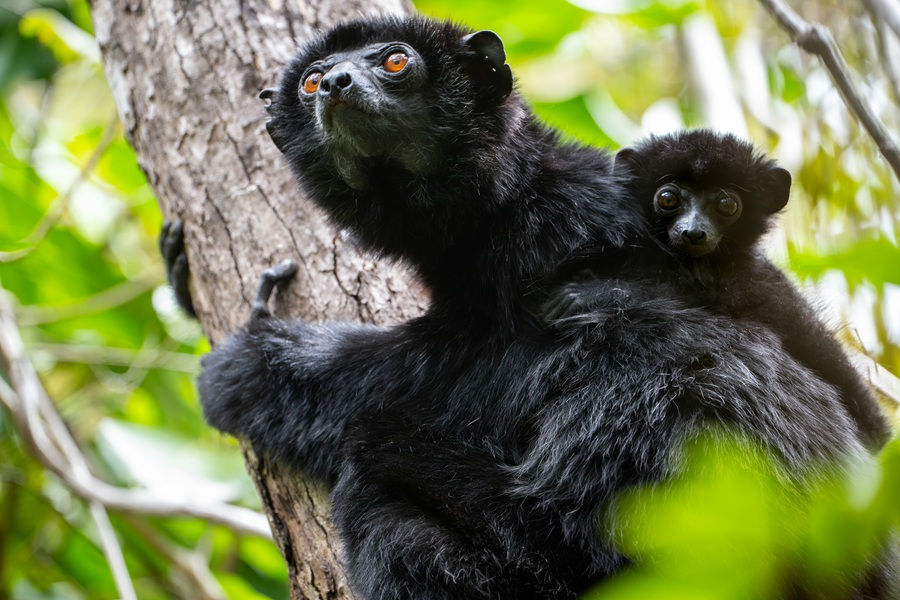
Day 5: Departing this morning it will be a long driving day to Antsohihy, but we will endeavor find the range-restricted Blue-eyed Black Lemur during our journey.
Day 6: Transferring to the remote town of Bemanevika where Critically Endangered Madagascar Pochard was rediscovered in 2006, this road is infamous for being one of the worst birding routes in the world so be prepared for a long travel day! The species is hanging on thanks to successful conservation and ecotourism, so we stand an excellent chance of seeing one of the world’s rarest birds which shares the volcanic crater lakes with Meller's Duck and Madagascar Grebe. We will be staying in high-quality stand-up safari tents for the next three nights, attended to by an excellent local team!
Day 7-8: With two days to explore this fascinating area, we will be on the lookout for several species rarely observed anywhere else in Madagascar. A day roost of the stunning Red Owl is usually known to the local guides, while there is sometimes an active nest of Henst's Goshawk or Madagascar Serpent Eagle, both these endemics rarely seen without such a stakeout. In some excellent areas of swampy grassland, we will spend time trying to coax out the rare endemic Slender-billed Flufftail, while the more common Madagascar Flufftail and Madagascar Snipe should appear as bonuses. Both Madagascar Rail and Grey Emutail are present in the marsh, while the declining Madagascar Partridge and Madagascar Harrier seem to becoming rarer every year even in this secluded wilderness.
Most of the other species in this area are easily seen on classic Madagascar routes, though a couple like Madagascar Starling and Madagascar Martin are occasionaly tricky down south. The fabulous Cuckoo-roller can be quite approachable around our campsite, and the males are often seen in display overhead provided the weather is fine. We will take time to enjoy Red-fronted Coua, Blue Coua, Madagascar Pygmy Kingfisher, Common Sunbird-Asity, Pitta-like Ground Roller, Crossley's Vanga, Tylas Vanga, Red-tailed Vanga, and the attractive Nelicourvi Weaver. Some of the duller endemic songbirds to watch for include Rand’s Warbler, Stripe-throated Jery, Green Jery, Spectacled Tetraka, Madagascar Swamp Warbler, and Dark Newtonia. Spotlighting is often a bit slow here, but there are chances to see Red Owl at night, along with a few more lemurs and special chameleons like Calumma malthe and Calumma crypticum.
Day 9-10: It will take us two very long driving days to transfer back to Antsohihy and then onwards to Antananarivo. Eventually we will reach the capital city again for a nice rest in a hotel near the airport, ready to begin the next phase of our journey.
Day 11: Morning flight to Morondava on Madagascar's west coast. Jumping in waiting 4WDs, it's quick transit to Kirindy Forest via the famous Baobab Avenue. This excellent reserve is famous for hosting some particularly tame Fosa, Madagascar’s largest carnivore. There are several other exciting mammals here, including Verrreaux’s Sifaka and Red-fronted Brown Lemur. Once the sun goes down, we can quickly target Pale Fork-marked Lemur, Red-tailed Sportive Lemur, Fat-tailed Dwarf Lemur, Coquerel's Giant Mouse Lemur, Grey Mouse Lemur, and possibly even the diminutive Madame Berthe’s Mouse Lemur for those willing to spend a some extra time out after dinner. Several excellent reptiles include Furcifer oustaleti, Paroedura rennerae, Paroedura picta, and Sanzinia volontany. We should also see Geckolepis maculata, a true evolutionary oddity which can shed their entire body of scales to avoid capture.
Day 12: If we didn't see White-browed Owl last night, there should be one or two on a day roost for us to see this morning. Close encounters with Giant Coua and Sakalava Weaver are pretty much guaranteed, while some other nice birds around include France's Sparrowhawk, Coquerel's Coua, Olive-capped Coua, Madagascar Hoopoe, Sickle-billed Vanga, White-headed Vanga, Chabert Vanga and Rufous Vanga. Heading north, our destination this evening will be Tsingy de Bemaraha National Park.
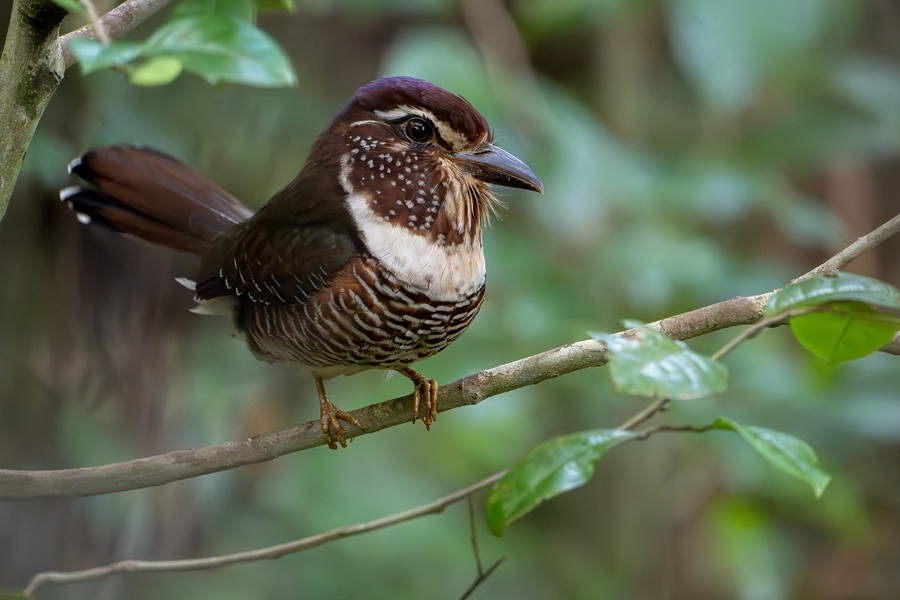
Day 13-14: A remote and scenic area dominated by grand limestone pinnacles, these rock formations and their entwined network of forest host one of Madagascar's least-observed endemics, the Tsingy Forest Rail. It is also perhaps the best place on the island to see Schlegel's Asity, so of course we will spend some time searching for this particularly stunning target. Another special lemur is likely here too, the highly-threatened Von der Decken's Sifaka. Depending on road conditions we might be able to visit a new site for the very rare Sakalava Rail on our second day, but this is not guaranteed.
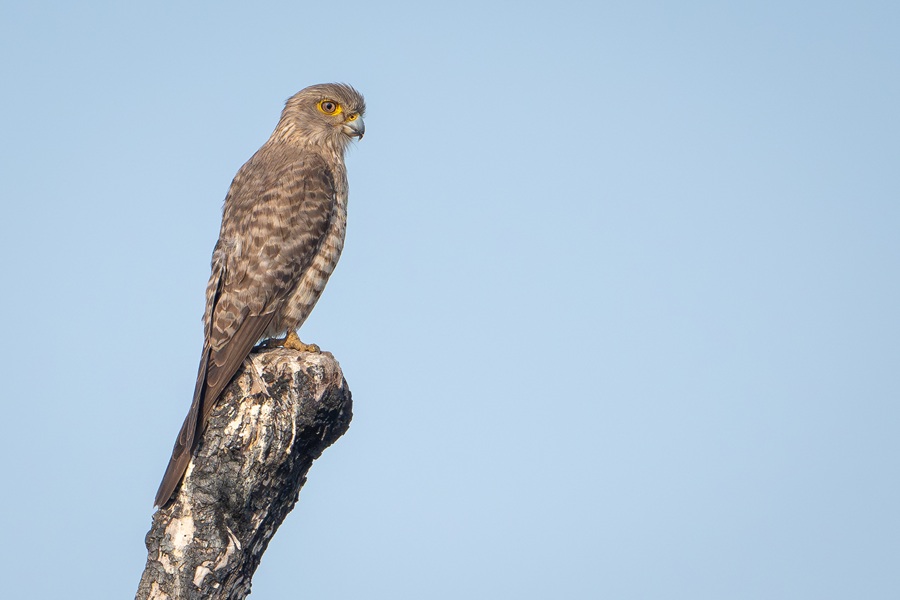
Day 15: Returning to Kirindy Forest we will keep a special eye out for Banded Kestrel, a scarce endemic which is regularly observed in the region. Madagascar Spinetail is likely too, and we can look for Fosa again before spending the evening staking out a warren of the truly weird Giant Jumping Rat (their size approaching the likes of a small wallaby rather than a rodent)! Sometimes the amusingly-named Bastard Big-footed Mouse can be seen too, and we will search again for any of the nocturnal lemurs missed here on our first night.
Day 16: Final chance for Fosa or otherwise more dry forest birding before returning to Morondava Airport for a flight back to Antananarivo. Due to regular issues with domestic flights in Madagascar, we will overnight nearby and suggest that everybody books international flights out the next day. This does give us a good opportunity to spot Malagasy Swift from the rooftop of our hotel, a species easiest to see in the city.
Day 17: Morning visit to a wetland where breeding-plumage Madagascar Pond Heron can be seen in their finery, plus perhaps White-throated Rail or Malagasy Kingfisher. The tour ends in the late morning with transfers back to Antananarivo International Airport (TNR).
NOTE: In alternate years we run this tour with an extra five days visiting the beautiful Masoala Peninsula. Due to the charter flight involved, it must be included as a compulsory part of the main tour and not offered as an optional extension. Years with a 17 day itinerary do not include Masoala, while years with a 22 day itinerary do include Masoala. These extra days continue as below.
Day 18: Today, we take a morning charter flight to Maroantsetra and then travel by speedboat to our ecolodge on the remote Masoala Peninsula, where we will stay on the coast surrounded by pristine tropical rainforest!
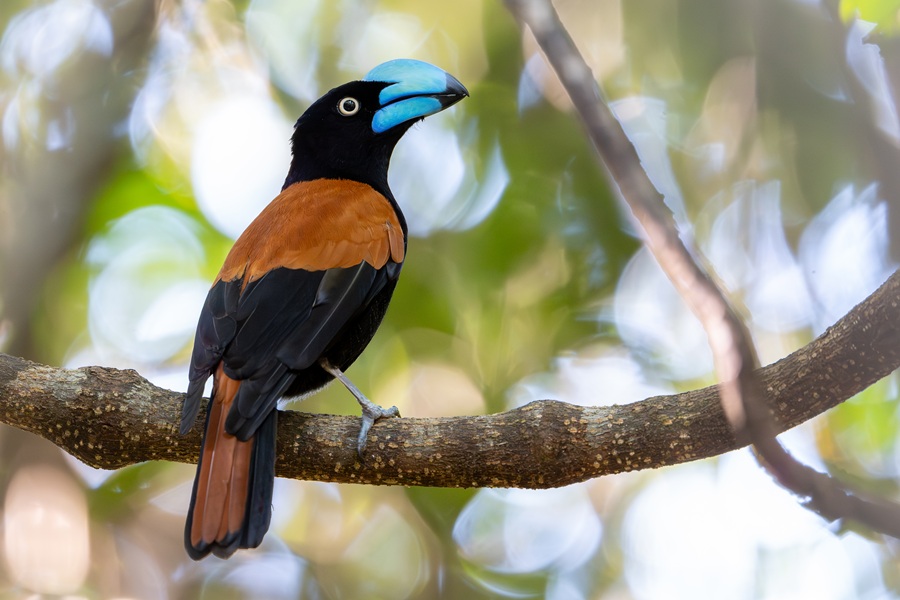
Day 19-20-21: This beautiful untouched sea-level forest (probably the best on the island) has amazing birdwatching, and a very high density of what is probably the most exceptional bird species to have evolved here. Few could argue that Helmet Vanga, with its stunning black and orange plumage, combined with that huge turquoise bill, is certainly one of the world’s most unique and evocative birds! Additionally, the forest-floor specialist Scaly Ground Roller and arboreal puffbird-like Short-legged Ground Roller are common, along with the range-restricted Bernier’s Vanga, sneaky Brown Mesite, plus both the attractive Red-breasted Coua and Red-fronted Coua. More widespread endemics include the forest-dwelling Madagascar Ibis, Madagascar Forest Rail, Velvet Asity, Long-billed Bernieria, and White-throated Oxylabes. We may also see one or two of the scarcer species like Madagascar Sparrowhawk or Madagascar Serpent Eagle if a nest is known during our visit.
With plenty of time to enjoy this wonderful area, there will be plenty of time for photography, and also searching out non-avian inhabitants! Many lemurs are possible, with the most exciting being the Critically Endangered endemic Red Ruffed Lemur, along with White-fronted Brown Lemur, Masoala Sportive Lemur, Masoala Woolly Lemur, Masoala Fork-marked Lemur, Northern Bamboo Lemur, Greater Dwarf Lemur, and Masoala Mouse Lemur. This is also one of the best areas in the country to find some of Madagascar's rarely-seen carnivores, including Spotted Fanaloka, Eastern Falanuoc, Ring-tailed Vontsira, Brown-tailed Vontsira, and of course the bizarre earthworm-eating Lowland Streaked Tenrec. We expect to have already seen Aye-aye of course, but it can also be searched for here if required.
Day 22: This morning we will return early to Maroantsetra (where there will be time to see the endemic Tomato Frog at a well-known pond) before flying back to Antananarivo International Airport (TNR) where the tour ends this evening.