




Mexico: Southern
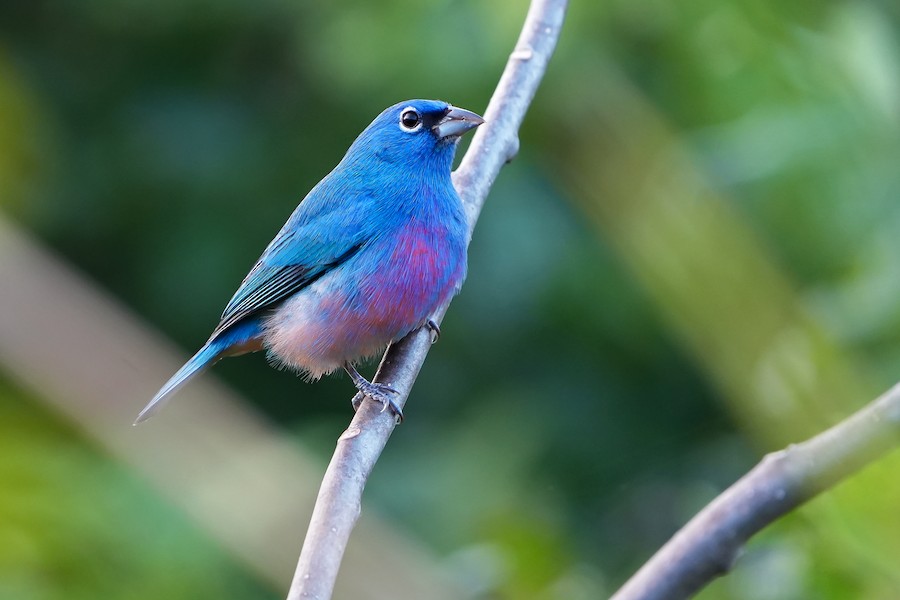
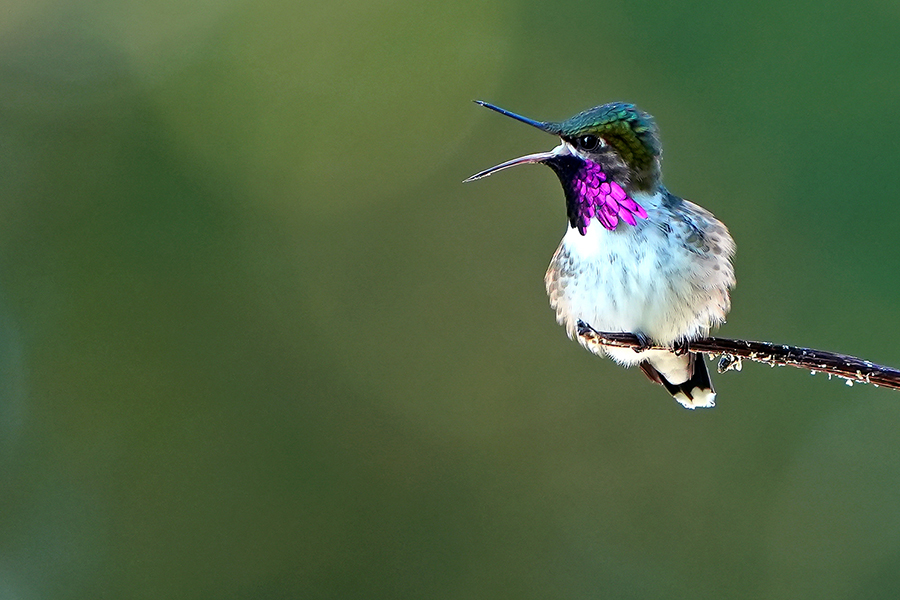
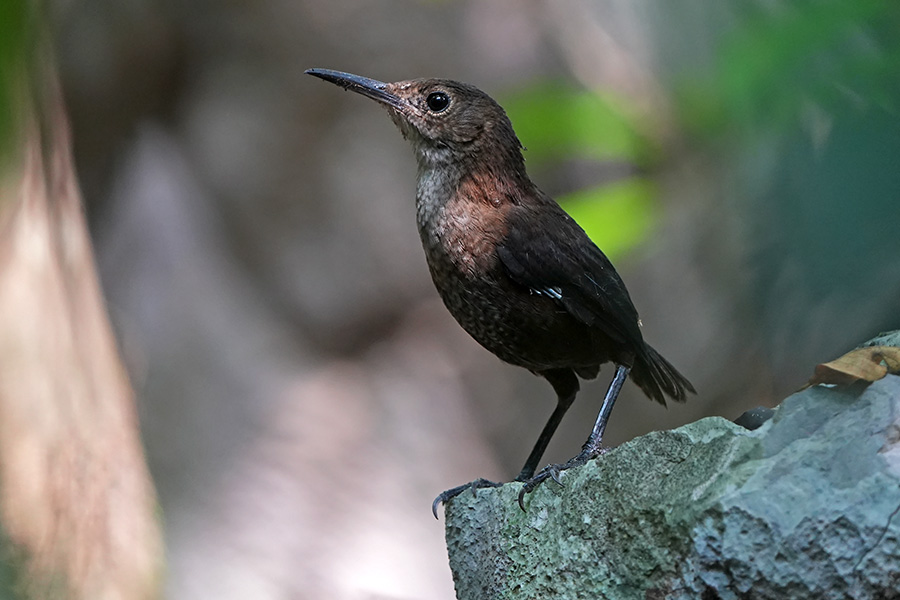
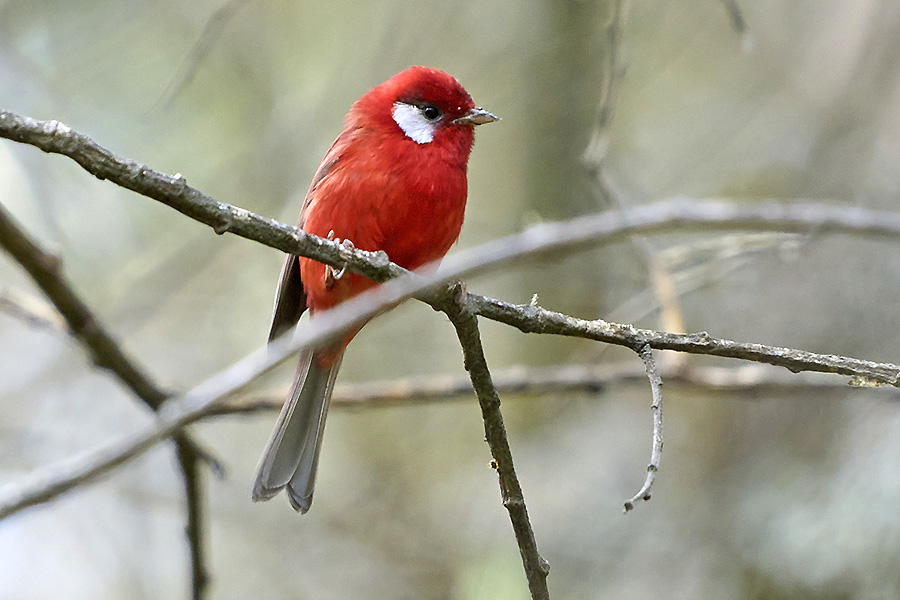
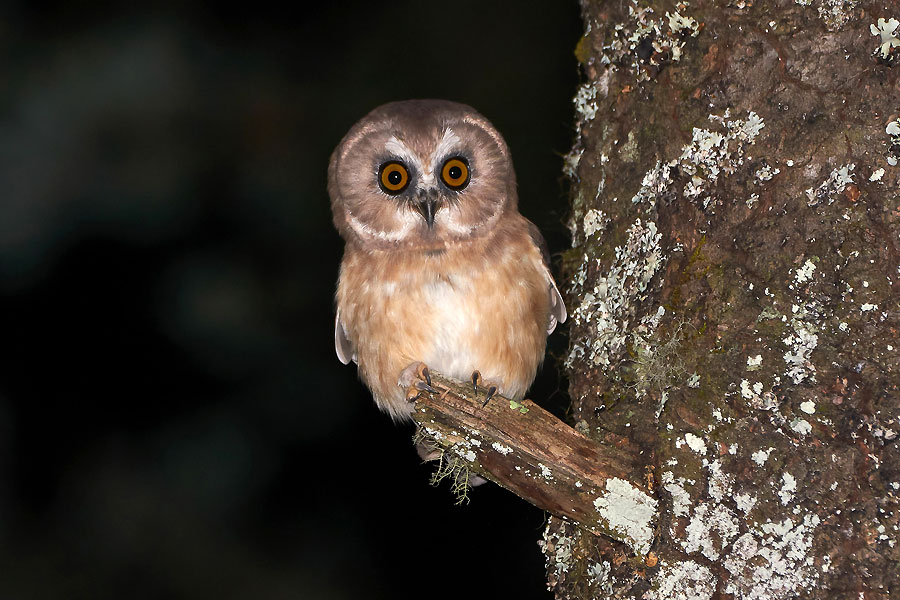
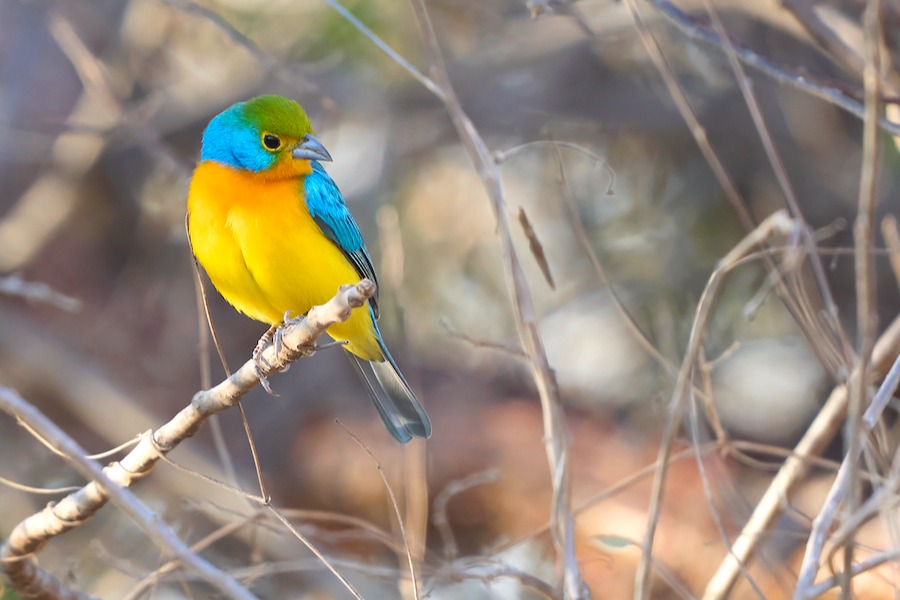
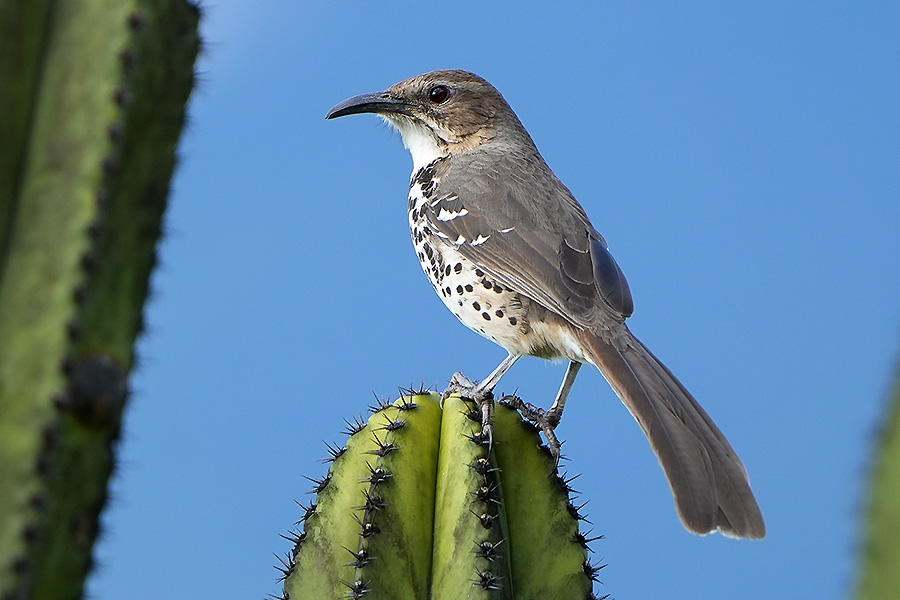
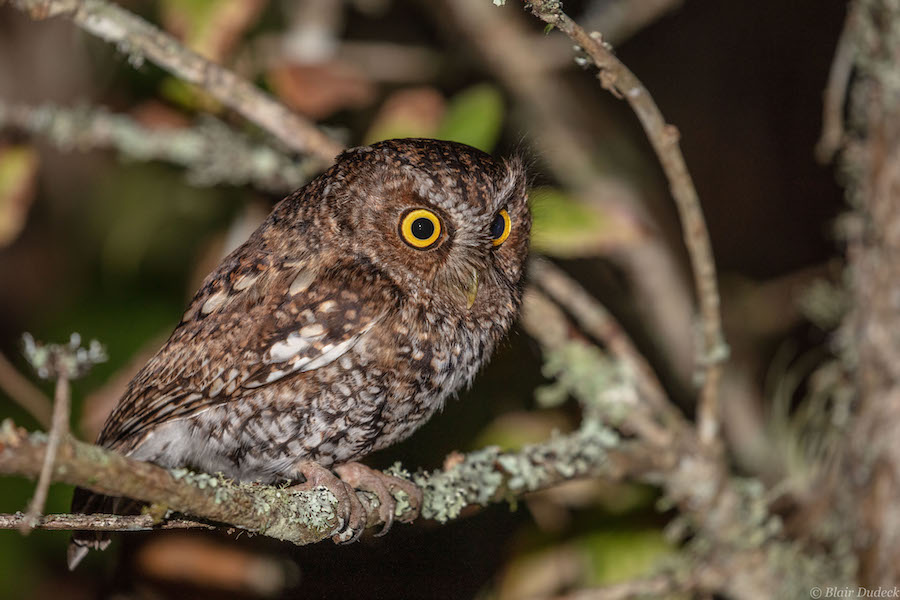
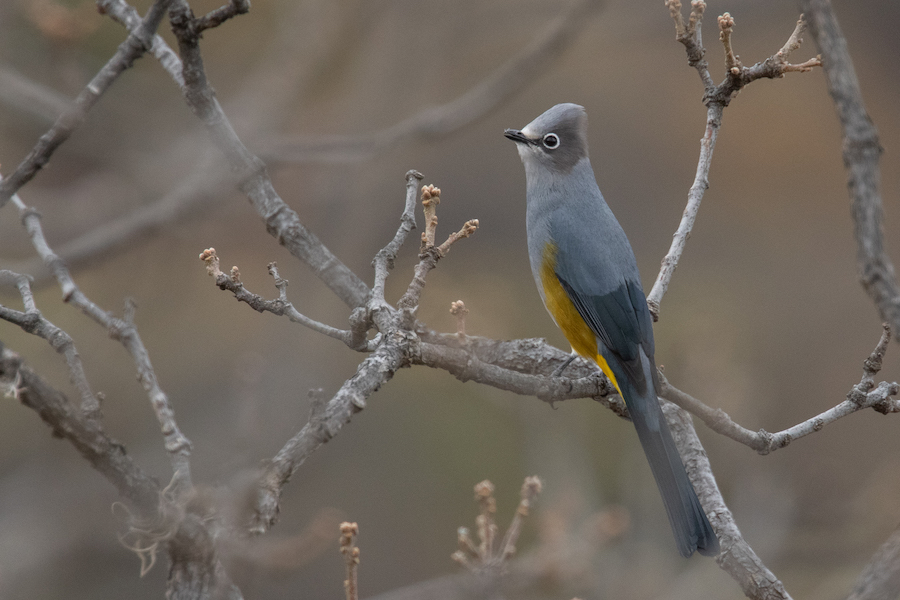
Starting in Mexico City for some tricky species like White-naped Swift, Black-backed Oriole, and Black-polled Yellowthroat, we then head towards the south coast. Hill forests contain Dwarf Jay and Bumblebee Hummingbird, while many other Mexican endemics like Grey-breasted Woodpecker, Slaty Vireo, and Ocellated Thrasher inhabit the dry forests of Oaxaca. After an enjoyable pelagic, we continue looking for highly range-restricted birds like Nava's Wren and the stunning Rose-bellied Bunting before a mangrove cruise in search of Agami Heron and Giant Wren. Finishing up back in the mountains, final birds could include Unspotted Saw-whet Owl, Bearded Screech Owl, Blue-throated Motmot, Unicoloured Jay, and Pink-headed Warbler. All up, an easy tour with superb food and plenty of special birds!
Next Dates
2 April - 15 April 2027 (14 days)
Leaders:
Julien Mazenauer
Group Size Limit:
6
Single Room Supplement: $
500 USD
Deposit: $
750 USD
Price: $
6500 USD
15 April - 23 April 2027 (9 days)
Leaders:
Julien Mazenauer
Group Size Limit:
6
Single Room Supplement: $
400 USD
Deposit: $
750 USD
Price: $
4200 USD
Yucatan Extension
21 February - 5 March 2028 (14 days)
Leaders:
Chris Venetz
Group Size Limit:
6
Single Room Supplement: $
500 USD
Deposit: $
750 USD
Price: $
6500 USD
5 March - 13 March 2028 (9 days)
Leaders:
Chris Venetz
Group Size Limit:
6
Single Room Supplement: $
300 USD
Deposit: $
750 USD
Price: $
4200 USD
Yucatan Extension
All of our tours to Mexico are operated by René Valdés, one of the country’s most respected and well-connected bird guides. This means that we are always running with the most up-to-date information and have relevant permissions to access all birding sites. Despite some government advisories taking an overly cautious stance against travel to certain parts of Mexico, we are completely confident in the safety of all of our itineraries.
Accommodation:
All comfortable hotels, except for one night at La Esmeralda with basic shared rooms and facilities.
Walking difficulty:
Mostly easy, but we might take a few longer walks for a couple of hours at birding pace.
Tour cost includes:
All accommodation, main meals, drinking water, internal flights (as stated in itinerary), overland transport, tips to local drivers and guides, travel permits, entrance fees, and guide fees.
Tour cost excludes:
Flights before and after the tour start/end, visa, travel insurance, tips to tour leaders, laundry, drinks, and other items of a personal nature.
.jpeg)

Day 1: Arriving into Mexico City (MEX) by midday, the afternoon will be spent at a large marsh which is a great site for Black-polled Yellowthroat. We should also see Mexican Duck, Virginia Rail, and the isolated endemic form of Song Sparrow. Returning to Mexico City, it will be time for our first delicious Mexican dinner! Night in Mexico City.
Day 2: In the morning, we will be taken by 4WD up to the main breeding area for Sierra Madre Sparrow, an Endangered and very localised endemic. In this lovely protected valley (an alternative site to an area on the highway that has been unsafe to visit in recent years), we should easily find our target, along with Strickland’s Woodpecker, Mexican Violetear, Olive Warbler, Grey Silky-flycatcher, Buff-breasted Flycatcher, Mexican Chickadee, Yellow-eyed Junco, Striped Sparrow, and Green-striped Brushfinch. In the afternoon we will visit a canyon where hundreds of scarce White-naped Swift descend to roost, a real spectacle! We should also see Rufous-backed Thrush here before heading back for another night at our hotel in Mexico City.
Day 3: Morning birding in a city park searching of the attractive Black-backed Oriole and scrub-loving Hooded Yellowthroat. Afterwards we drive south-east to Oaxaca, stopping en route for Transvolcanic Jay.
Day 4: Full day of birding on dry hill slopes where we will be searching for the endemic Bridled Sparrow and Oaxaca Sparrow. Other targets in the area include Grey-breasted Woodpecker, Dusky Hummingbird, Beautiful Sheartail, Boucard’s Wren, the tricky Ocellated Thrasher, Slaty Vireo, Golden Vireo, West Mexican Chachalaca, Blue Mockingbird, and White-throated Towhee. Several other more widespread species are possible, including Black-vented Oriole and Painted Whitestart. Night in Oaxaca.
Day 5: Full day in the humid pine-oak forest near La Cumbre, perhaps the best place in the world to see the endemic Dwarf Jay. These small corvids usually move around with flocks of noisy Grey-barred Wren, so we have very good chances of being able to find them. Other birds in the area include Blue-throated Mountaingem, Mountain Trogon, Chestnut-sided Shrike-Vireo, "Middle American" Steller’s Jay, the stunning "White-eared" Red Warbler, Golden-browed Warbler, Rufous-capped Warbler, Russet Nightingale-Thrush, Rufous-capped Brushfinch, and Collared Towhee. Spotlighting should produce Fulvous Owl and maybe Northern Saw-whet Owl. Night in Oaxaca.
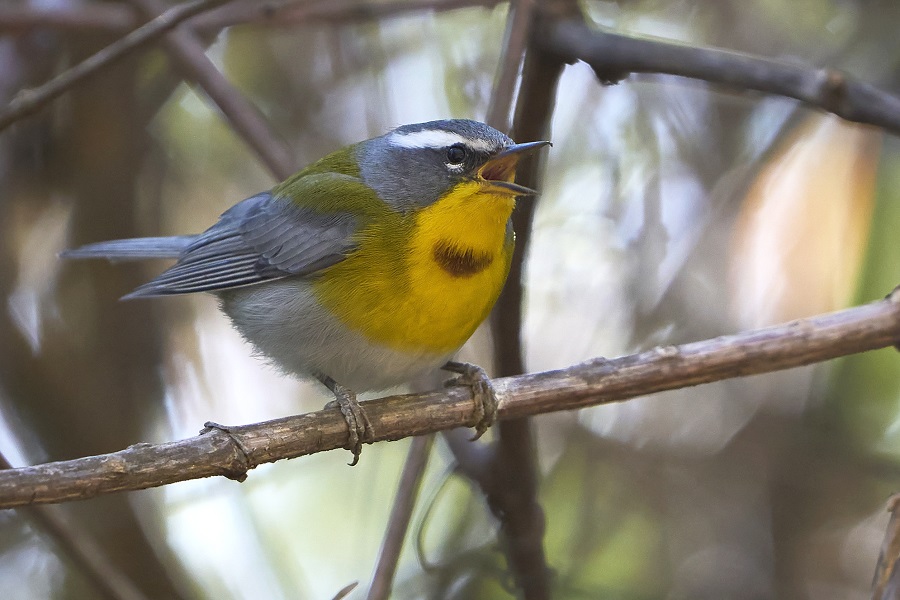
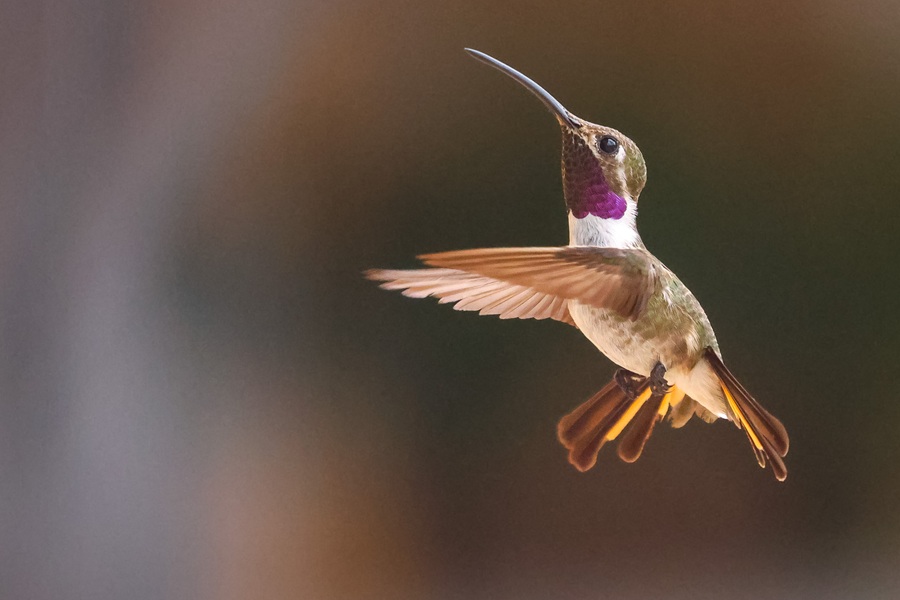
Day 6: An early morning visit to one of the most impressive archaeological sites in all of the Americas: the Zapotec capital of Monte Albán. Here we will search for Pileated Flycatcher, Slaty Vireo, Golden Vireo, Rock Wren, Canyon Wren. Later, we will drive west of Oaxaca towards the Sierra Madre del Sur. We might arrive in time for some initial exploration of the area, searching for the rare White-throated Jay. Stunning and incredibly tiny Bumblebee Hummingbirds usually display in the garden of our accommodation, while nearby forest holds Amethyst-throated Mountaingem, Chestnut-capped Brushfinch, and Crescent-chested Warbler. Night in cabins at San José del Pacifico where we can usually see Mexican Whip-poor-will.
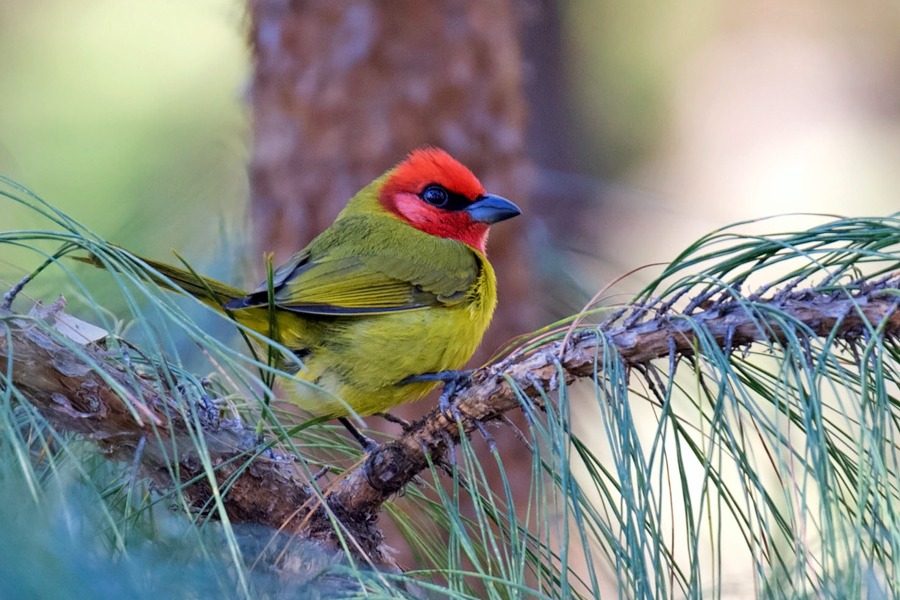
Day 7: We will spend all morning birding around San José del Pacifico, searching mostly for White-throated Jay. This is always a scarce and notoriously shy species, but we have a reasonably good chance of success! Later we will head downslope, stopping en route to search for Oaxaca Hummingbird, Long-billed Starthroat, “Wagler’s” Northern Emerald Toucanet, Grey-crowned Woodpecker, White-throated Magpie Jay, and Red-headed Tanager. Night in Huatulco.
Day 8: In the morning, we will make a short but very enjoyable pelagic trip. Black-vented Shearwater, Galapagos Shearwater, Pink-footed Shearwater, Wedge-tailed Shearwater, Black Storm Petrel, Least Storm Petrel, Nazca Booby, and Cocos Booby are all possible. Nowadays, the chances of seeing the Critically Endangered Townsend’s Shearwater are sadly slim, but we will be keeping an eye out. Returning by noon, there is plenty of time this afternoon for more birding in the dry hills behind town in search of any missing targets.
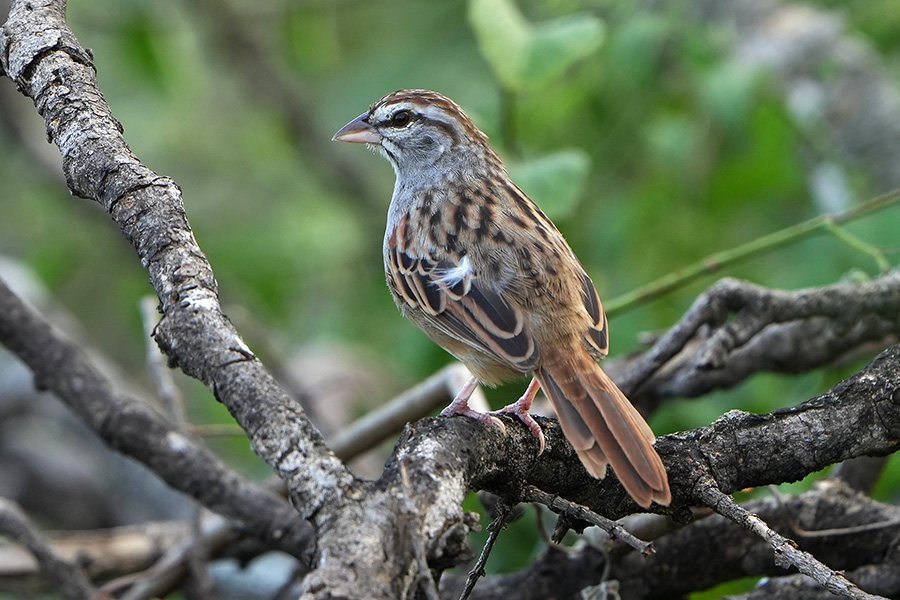
Day 9: Early morning birding around Huatulco, searching for Lilac-crowned Amazon, Turquoise-crowned Hummingbird, Citreoline Trogon, Red-breasted Chat, and the fantastic Orange-breasted Bunting. More widespread species such as Colima Pygmy Owl, Cinnamon Hummingbird, Golden-cheeked Woodpecker, Happy Wren, Rufous-naped Wren, and Blue Bunting are also possible. Afterwards we will drive towards our next destination, stopping en route to see the endemic Cinnamon-tailed Sparrow in the Isthmus of Tehuantepec before a late afternoon vigil for Yellow-headed Amazon and Red-lored Amazon. Night in La Esmeralda.
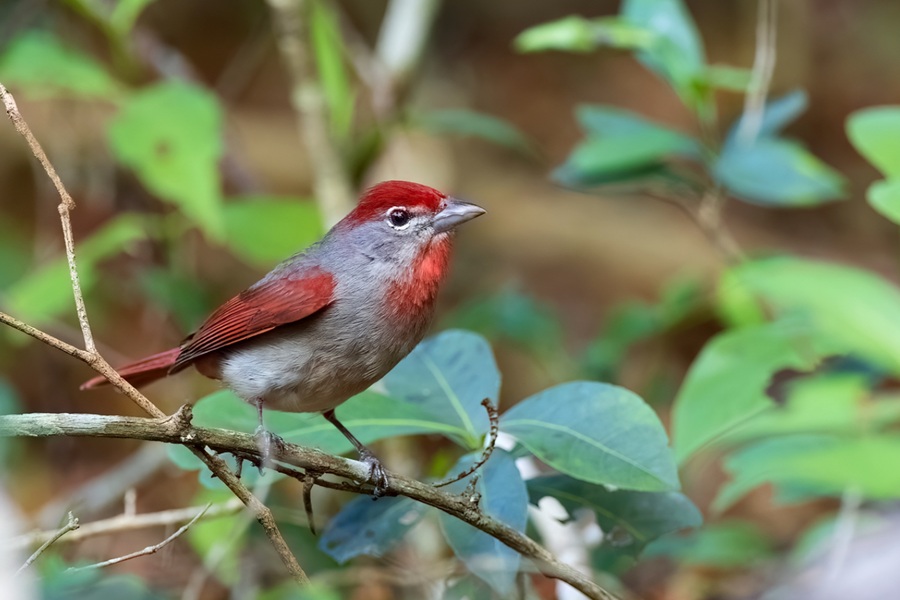
Day 10: Birding La Esmeralda all morning, searching for the unique, very local, and highly charismatic Nava’s Wren, restricted to limestone outcrops within primary lowland forest in a tiny area of Mexico. Wedge-tailed Sabrewing is another target here, and many other more widespread species are possible as like Green Parakeet, White-bellied Emerald, Olive-backed Euphonia, and "Velasquez's" Golden-fronted Woodpecker. In the afternoon we will find ourselves birding near Arriaga in search of the stunning Rose-bellied Bunting, our prime target here and arguably one of the most beautiful species in Latin America. Other specialties like Green-fronted Hummingbird, Banded Wren, and Stripe-headed Sparrow are also likely, while the rare Greater Swallow-tailed Swift is somewhat regular in the late afternoon. After dinner, we continue a little further down the coast for overnight in Mapastepec.
Day 11: In the early morning we will enjoy a relaxing boat cruise through the coastal mangroves. The embarkation area holds many charismatic near-endemic Giant Wren, along with White-bellied Chachalaca and Spot-breasted Oriole. Quietly paddling up the back channels we expect to see several Agami Heron, along with the likes of Sungrebe, Bare-throated Tiger Heron, Boat-billed Heron, Russet-naped Wood Rail, Northern Jacana, Amercian Pygmy Kingfisher, Mangrove Cuckoo, loads of raptors, plus maybe Neotropical River Otter, Brown Basilisk, or Black Caiman. In the late morning we will search for Salvadoran Flycatcher before heading towards Tuxtla Gutierrez, making another stop for Rose-bellied Bunting if needed. Night at Tuxtla Gutierrez.
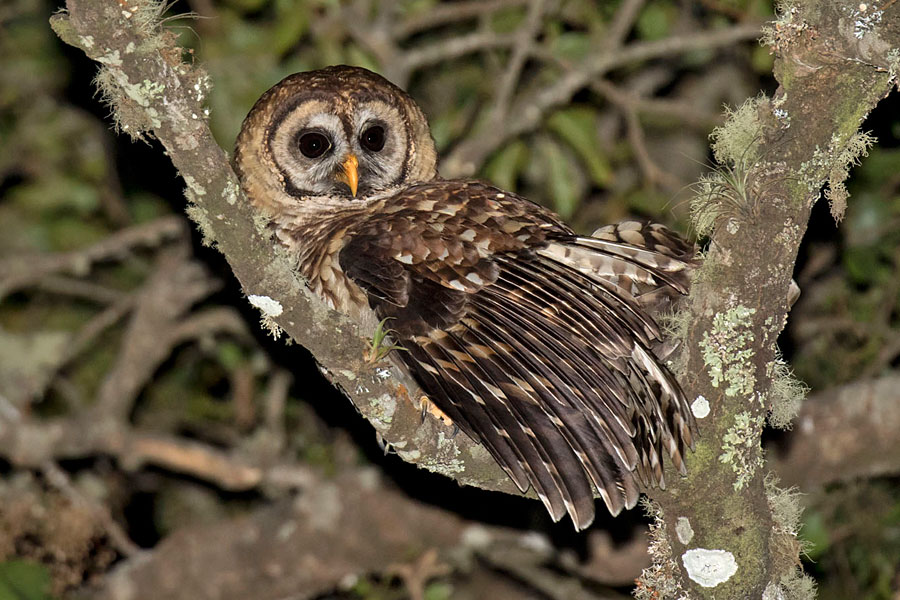
Day 12: Birding atop the scenic Sumidero Canyon all morning, looking for Bar-winged Oriole, Belted Flycatcher, Canivet’s Emerald, Azure-crowned Hummingbird, Plan-capped Starthroat, and Blue-and-white Mockingbird. Later we will drive towards the city of San Cristobal, where we will spend the next two nights. Owling will target two tricky specialties: Unspotted Saw-whet Owl and Bearded Screech Owl.
Day 13: Birding the mountain forest above San Cristobal all day, where the stunning Pink-headed Warbler and Unicoloured Jay will be our main targets. Other possibilities include Garnet-throated Hummingbird, Blue-throated Motmot, Black-capped Swallow, Black Thrush, Rufous-collared Thrush, Yellow-backed Oriole, Rufous-browed Wren, Cinnamon-bellied Flowerpiercer, and Black-throated Jay.
Day 14: After some final morning birding in search of missing targets, our tour ends with afternoon flight departures from Tuxtla Gutierrez Airport (TGZ) in the afternoon. Those continuing on the extension will fly to Merida.
YUCATAN EXTENSION
Day 1: Arrivals into Merida for overnight.
Day 2: Early morning visit to dry forest around Progreso. Main targets today will be Yucatan Gnatcatcher, Yucatan Wren, Mexican Sheartail, Clapper Rail, and many other near-endemic birds. In the afternoon we will drive to Ria Lagartos and have a nocturnal boat tour to find Yucatan Nightjar, and probably also the weird Boat-billed Heron. Overnight in Ria Lagartos.
Day 3: Morning birding in search of Yucatan Bobwhite, with stops for Yucatan Woodpecker and Yucatan Gnatcatcher as we start heading south towards Valladolid. We will spend the afternoon birding around Xocén for Wedge-tailed Sabrewing, Yucatan Flycatcher, and the interesting near-endemic Rose-throated Tanager. Various Central American species might include Turquoise-browed Motmot, Tawny-winged Woodcreeper, Northern Bentbill, and Mangrove Vireo. This is also a nice spot for wintering Hooded Warbler. At dusk, we will look for Yucatan Poorwill, along with Middle-American Screech Owl and Northern Potoo. Overnight in Valladolid.
Day 4: After a morning birding again in Xocén area we will drive towards Playa del Carmen for a ferry over to Cozumel Island. We'll already have time for birding this afternoon. Overnight on Cozumel.
Day 5: There are several hotspots to visit on this intriguing island, and we will try to visit most of them today. The three true endemics are Cozumel Emerald, Cozumel Vireo, and Cozumel Wren, while the beautiful Yucatan Amazon remains quite common on the island. A few other regional endemics are quite common here, such as Yucatan Vireo and Black Catbird. Caribbean specialties like Western Spindalis, Caribbean Elaenia, and White-crowned Pigeon can also be found, while Mangrove Cuckoo is common. Overnight on Cozumel.
Day 6: After our last morning birding on Cozumel we will take the ferry back to Playa del Carmen, and drive towards Felipe Carrillo Puerto. Overnight in Felipe Carrillo.
Day 7: Birding all morning along Vigia Chico Road. There is some excellent forest here, which holds specialties like Yucatan Jay, Orange Oriole and Grey-throated Chat. A few more widespread species like Stub-tailed Spadebill and Green-backed Sparrow can be searched for too. After driving further south, we will spend the afternoon birding around the Kohunlich Ruins. Overnight near Xpujil.
Day 8: A full day dedicated to birding around Calakmul Ruins. Of course we will be enthralled by many brilliantly unafraid Ocellated Turkey, along with Great Curassow and Crested Guan. Other species to look for include Lesson’s Motmot, "Middle American" White-bellied Wren, Ivory-billed Woodcreeper, and many more southern species which only just make it into Mexico in these forests. We will probably also see a few mammals like Yucatan Black Howler and Geoffroy’s Spider Monkey. In the evening we will visit Volcan de los Murcielagos (Volcano of the Bats) where millions of bats flying out for the night are hunted by Bat Falcon, a truly amazing natural wonder. Overnight near Xpujil.
Day 9: There are a few other hotspots around Xpujil where we expect to have second chances at several trickier species. Once it gets hot, we'll take the long drive back to Merida International Airport (MID), where the tour ends this evening in time for late flights back to Mexico City.
You may also be interested in our unique Mexico: North-East tour, for full coverage of this wonderful country!