


Micronesia
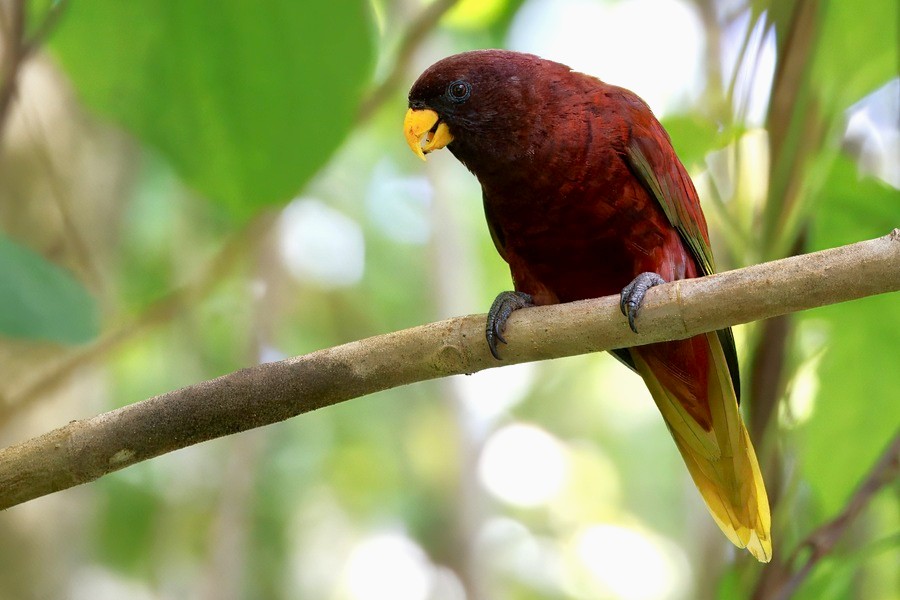
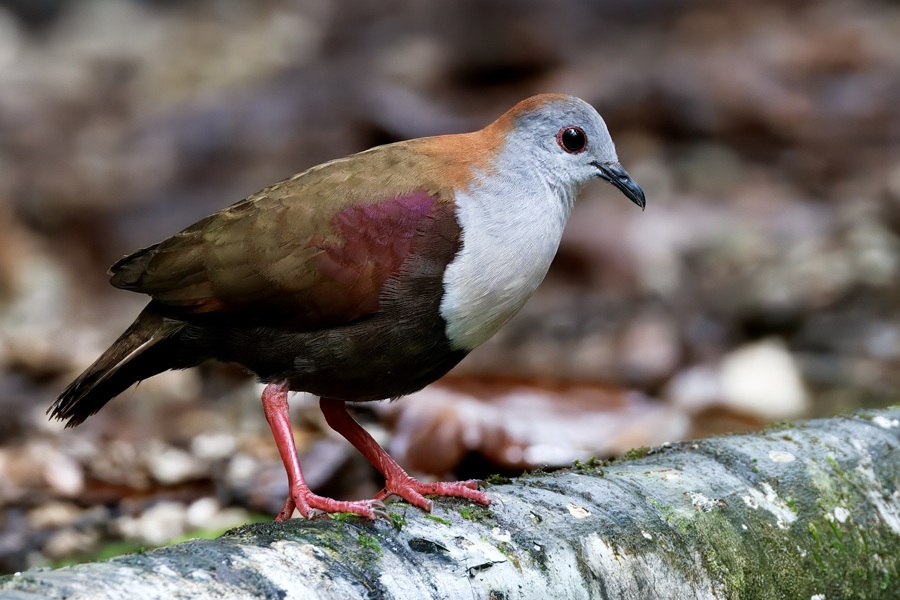
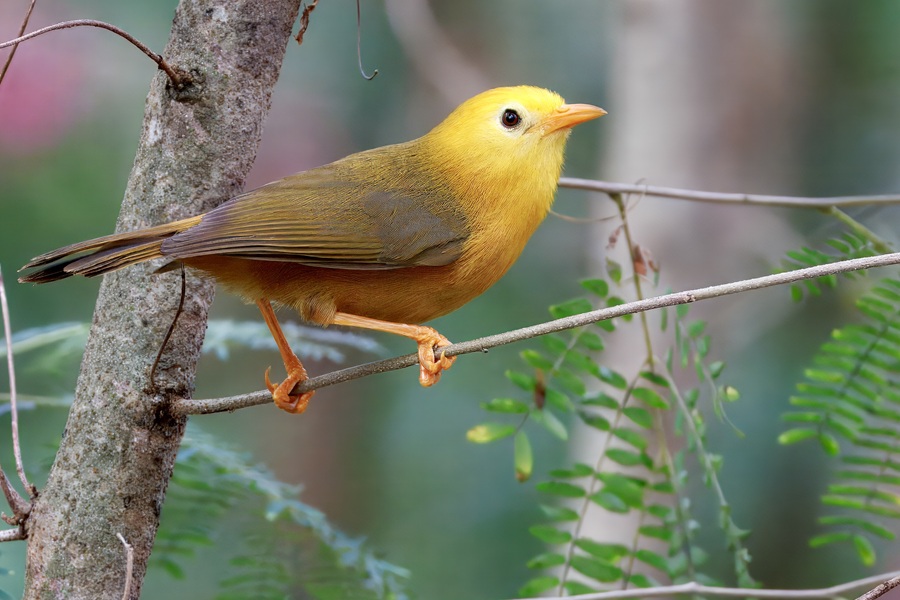
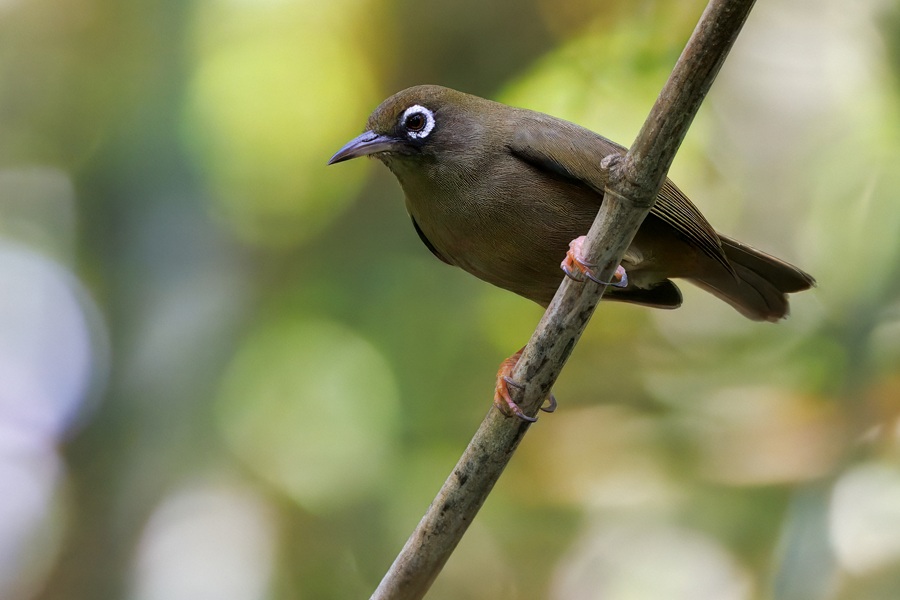
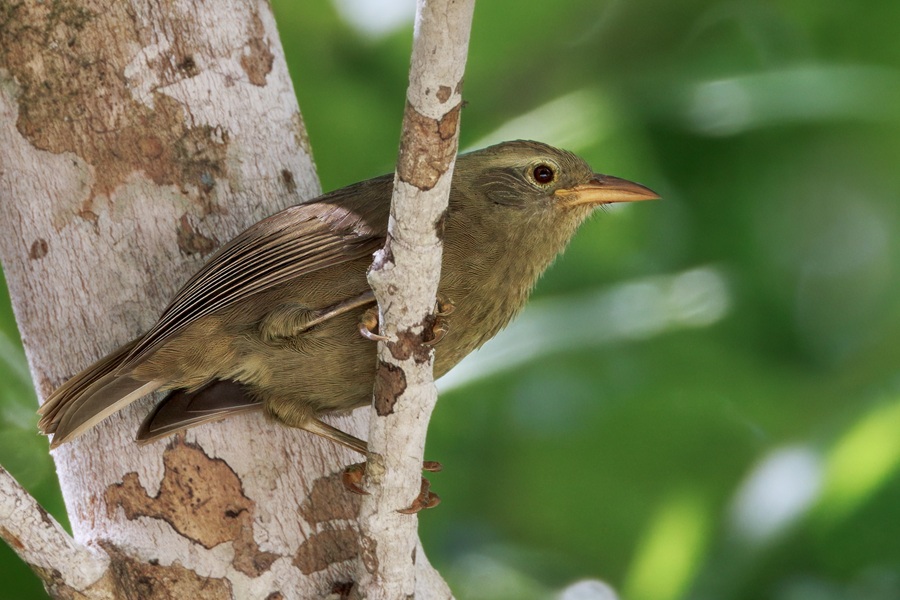
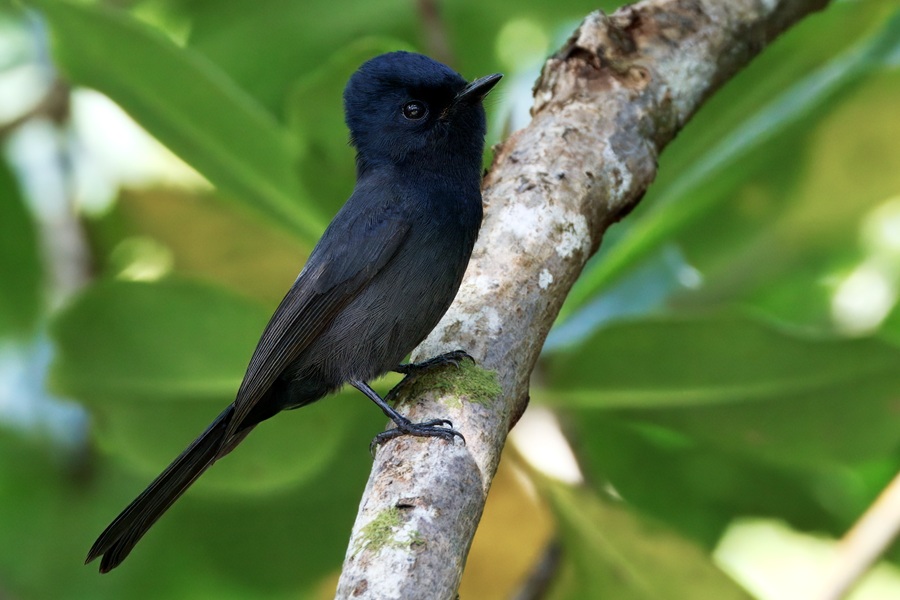
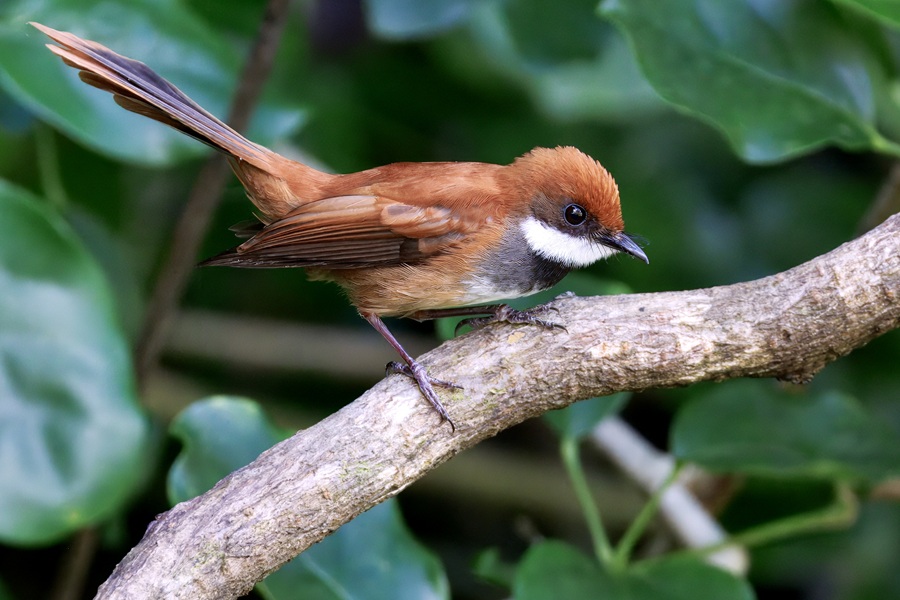
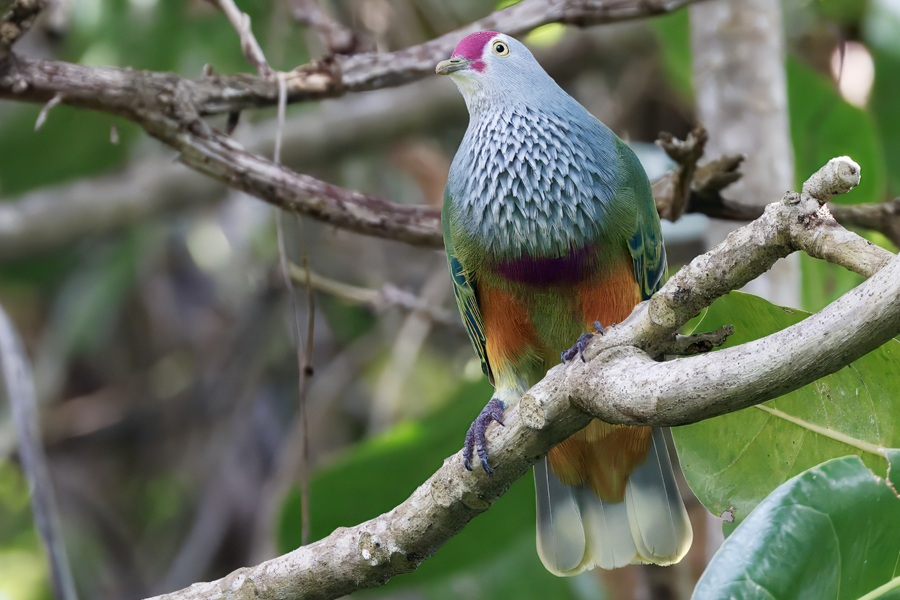
Comprehensively target all ~50 endemics of Micronesia, travelling from Palau through Guam and the Northern Marianas to Yap, Chuuk, Pohnpei, and all the way to Kosrae. Highlights include Micronesian Megapode, Guam Rail, White-fronted Ground Dove, Pohnpei Lorikeet, Mariana Crow, Chuuk Monarch, Palau Fantail, Saipan Reed Warbler, and more. There is also a whole suite of interesting and weird Zosteropids such as the hulking Giant White-eye, bizarre Long-billed White-eye, enigmatic Teardrop White-eye, and stunning Golden White-eye. We will have plenty of time for some snorkelling and general exploration of these lovely islands, where rich Micronesian culture is often juxtaposed by littered relics of World War II.
Next Dates
20 April - 10 May 2028 (21 days)
Leaders:
Joshua Bergmark
Group Size Limit:
7
Single Room Supplement: $
TBD
Deposit: $
1500 USD
Price: $
TBD
Add a Title
Leaders:
Joshua Bergmark
Group Size Limit:
Add a Title
Single Room Supplement: $
TBD
Deposit: $
TBD
Price: $
TBD
Add a Title
16 March - 5 April 2029 (21 days)
Leaders:
Daniel López-Velasco
Group Size Limit:
7
Single Room Supplement: $
TBD
Deposit: $
1500 USD
Price: $
TBD
Add a Title
Leaders:
Daniel López-Velasco
Group Size Limit:
Add a Title
Single Room Supplement: $
TBD
Deposit: $
TBD
Price: $
TBD
Add a Title
Accommodation:
All comfortable accommodation, just one or two nights in moderate rooms without air conditioning. Note that due to the unusual flight schedules (many inter-island airlines depart in the middle of the night), there will be a few short sleeps on this tour!
Walking difficulty:
Mostly easy, but some moderate days where we traverse several kilometres in the heat (but mostly on flat ground). One optional strenuous walk for those who wish to attempt Teardrop White-eye.
Tour cost includes:
All accommodation, main meals, drinking water, internal flights (as stated in itinerary), overland transport, tips to local drivers and guides, travel permits, entrance fees, and guide fees.
Tour cost excludes:
Flights before and after the tour start/end, visa, travel insurance, tips to tour leaders, laundry, drinks, and other items of a personal nature.


PALAU
Arriving in Palau, renowned as the most biodiverse and endemic-rich area in the region, we make for our accommodation conveniently situated in a central location. With fifteen country endemics, there is a lot to see. The majority of the birds are not overly difficult to find, however, we will need to concentrate our searches in a few different areas. First up will be a boat trip to the striking Rock Islands off Koror, where we have our only chances for the shy Palau Ground Dove and seemingly steroid-infused Giant White-eye. We also aim to see "Palau" Micronesian Megapode and an extremely rare endemic subspecies of White-breasted Woodswallow. On top of all that, even Nicobar Pigeon is possible, so this will be a great birding session!
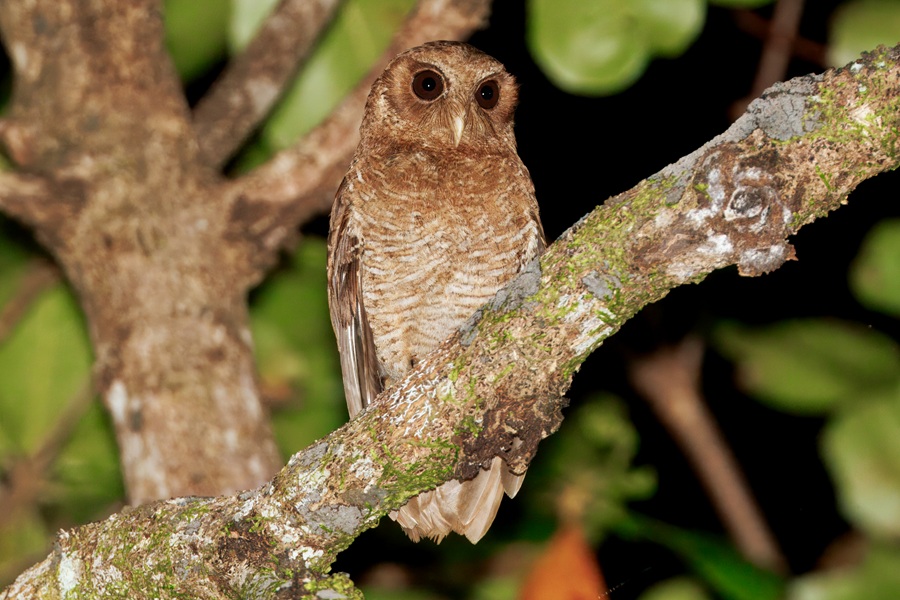
Back on the main island, our morning sessions will be best for Palau Bush Warbler, a trickier target amongst other endemics like Palau Fruit Dove, Rusty-capped Kingfisher, Palau Swiftlet, Palau Cicadabird, Morningbird (aka Palau Whistler), Palau Fantail, Palau Flycatcher, Dusky White-eye, and "Palau" Citrine White-eye. Our evenings will see us in search of the weird Palau Scops Owl and Palau Nightjar. There is also an endemic flying fox to see on most islands during this tour, here being the Pelew Flying Fox.
MARIANA ISLANDS (SAIPAIN, TINIAN, ROTA, GUAM)
The tiny islands of the Northern Marianas (US Commonwealth) and Guam (US Territory) lie in the heart of the Pacific, on the western edge of the Mariana Trench. We will begin on Saipan, home to a large number of endemics. Here we will search for the absolutely stunning Golden White-eye! The island can be circumnavigated by car in an hour, so it is easy to explore several patches of forest in search of other crucial targets like Mariana Swiftlet, Mariana Fruit Dove, Mariana Kingfisher, Micronesian Myzomela, Bridled White-eye, and Saipan Reed Warbler. We will also take the short boat ride across to nearby Managaha Island in order to target "Mariana" Micronesian Megapode, and here it is delightfully easy to see. This is our first site to see Mariana Flying Fox.
Next up is Tinian, which we will only visit for a couple of hours to see the endemic Tinian Monarch before moving south to Rota. We will pass over the north field airstrip where Enola Gay and Bockscar took off in 1945 with their atomic payloads bound for Japan, a moment for sombre reflection on darker times.
On Rota we will search for two Critically Endangered endemics, these being Rota White-eye and Mariana Crow. A portion of our tour price has been set aside as a donation to the efforts of conservationists on the front line of this gargantuan effort to save both species from extinction. After these two important birds have been seen, we can also look for the endemic subspecies of Mariana Kingfisher and Micronesian Rufous Fantail. We might also see the introduced Philippine Collared Dove, which is not always an easy bird to see in their native range.
Last will be Guam, where avifauna has sadly been decimated by the introduced Brown Tree Snake. Guam Flycatcher and Guam White-eye are now extinct, while Guam Kingfisher only survives in captivity. We will visit an offshore island where Guam Rail can still be seen, though it too is in dire trouble.
YAP, FEDERATED STATES OF MICRONESIA
Unspoilt tranquil beaches dotted along a coastline boasting spectacular reefs and marine life, this is a true paradise island. The presence of large stone Rai money discs that once represented the only currency on the island are a constant reminder of the unique Micronesian culture. We focus our birding at a couple of sites which are reliable for the key targets: Yap Monarch, Yap Cicadabird, Olive-coloured White-eye, and Plain White-eye. Endemic subspecies of Micronesian Myzomela and Micronesian Rufous Fantail are common, and certainly there should be plenty of White-throated Ground Dove (here being the best place for the species). Yap Flying Fox is quite common at night, though there are no nightbirds.
KOSRAE, FEDERATED STATES OF MICRONESIA
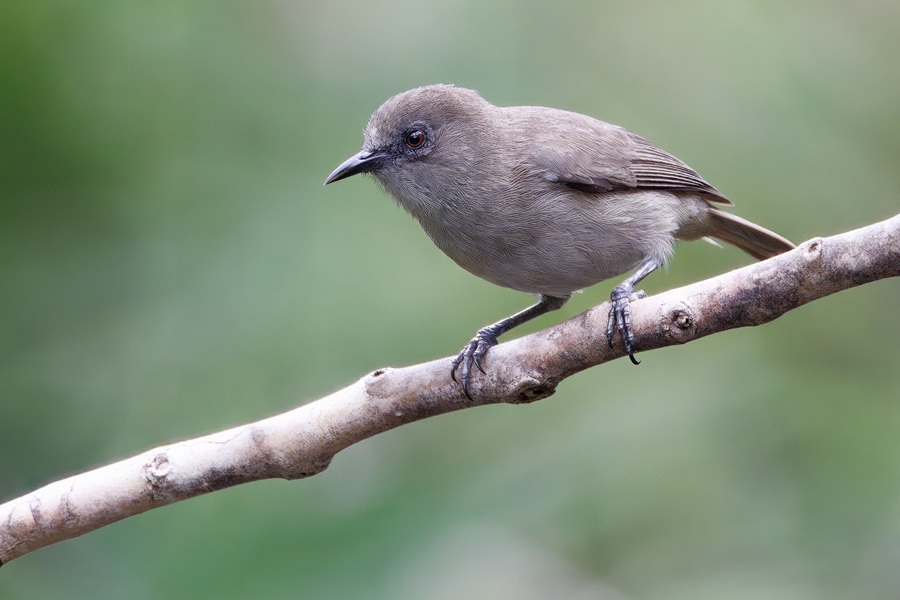
Tiny Kosrae State is the smallest and easternmost island in the Caroline Islands Archipelago. Perhaps given its small size it’s not surprising that the island is home to only two single-island endemics. Both are straightforward to find, the beautiful Kosrae Fruit Dove and plumbeous-plumaged Kosrae White-eye. We might see the endemic subspecies of Micronesian Starling, Micronesian Myzomela, and Blue-faced Parrotfinch before visiting a remarkable cave system which is home to a healthy population of Caroline Swiftlet. At dusk, the endemic Kosrae Flying Fox will be flapping around.
POHNPEI, FEDERATED STATES OF MICRONESIA
The isolated Pohnpei State (also known as the Garden of Micronesia) protects lush tropical forest fueled by nutrient rich soils blanketing islands fringed by brilliant and diverse barrier reefs. Checking into our boutique oceanfront hotel, there may be time before dusk to explore the surrounding mangroves that dominate the lagoon, prime habitat for our first of seven endemics: the attractive Pohnpei Kingfisher. Venturing into a variety of habitats over the next two days, we’ll seek out the threatened Pohnpei Lorikeet and Pohnpei Cicadabird, as well as the more common Pohnpei Fantail, Pohnpei Flycatcher, Grey-brown White-eye, and the intruiging Long-billed White-eye. While it is present but rare on every other island we visit during this tour, Micronesian Imperial Pigeon is easy to see here and is thus another important target. Those who have not been to New Ireland in Papua New Guinea might also want to see the introduced Mottled Mannikin, and of course there is also Pohnpei Flying Fox to find.
CHUUK, FEDERATED STATES OF MICRONESIA
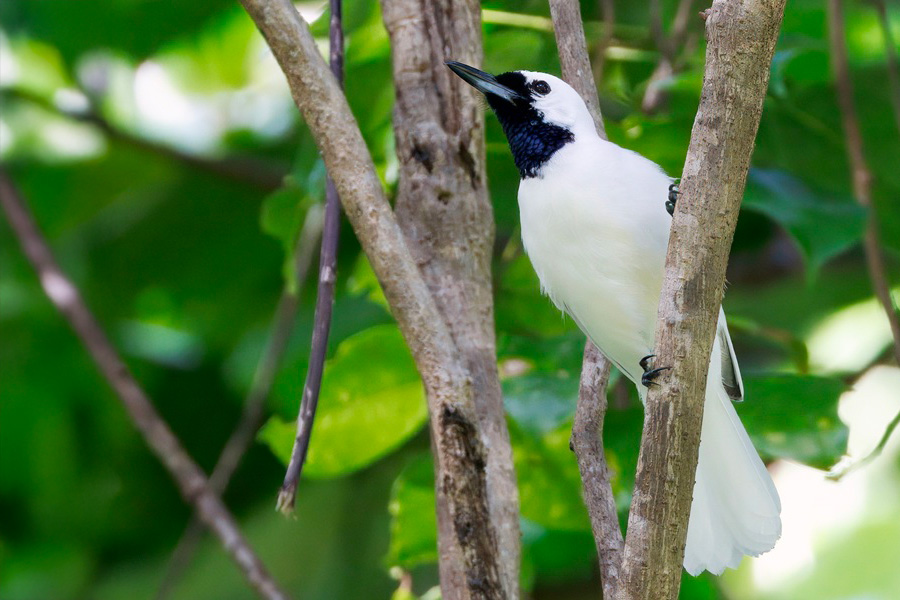
Upon arrival we check into our beachside resort offering spectacular sunset views over the reef-filled seas. Close to our hotel are the endemic subspecies of Micronesian Myzomela and Purple-capped Fruit Dove. Considerably more time and effort will need to be reserved for the Endangered specialty White-fronted Ground Dove, here being our best site for this species. The other main targets will be Caroline Reed Warbler and the lovely pastel-colored Chuuk Flycatcher, plus the endemic subspecies of Citrine White-eye. There should also be a few sightings of Chuuk Flying Fox. On one day, we will take a short boat ride across to neighbouring Tonoas for memorable encounters with one of the most stunning species in Micronesia - the splendid Chuuk Monarch.
NOTE: The toughest island in the region is Tol, where access calls for some negotiation with typically unfriendly locals. We are unable to determine the price of our day visit here in advance, with chiefs in recent years either demanding hundreds of dollars per person or simply turning birders away. On our last day in Chuuk, those who wish can take a boat over with the leader and try their luck, with any agreed access fees added to your tour drinks tab. This is the only way to see one last Endangered endemic, the Teardrop White-eye.