











Philippines: Mindanao & Camiguin
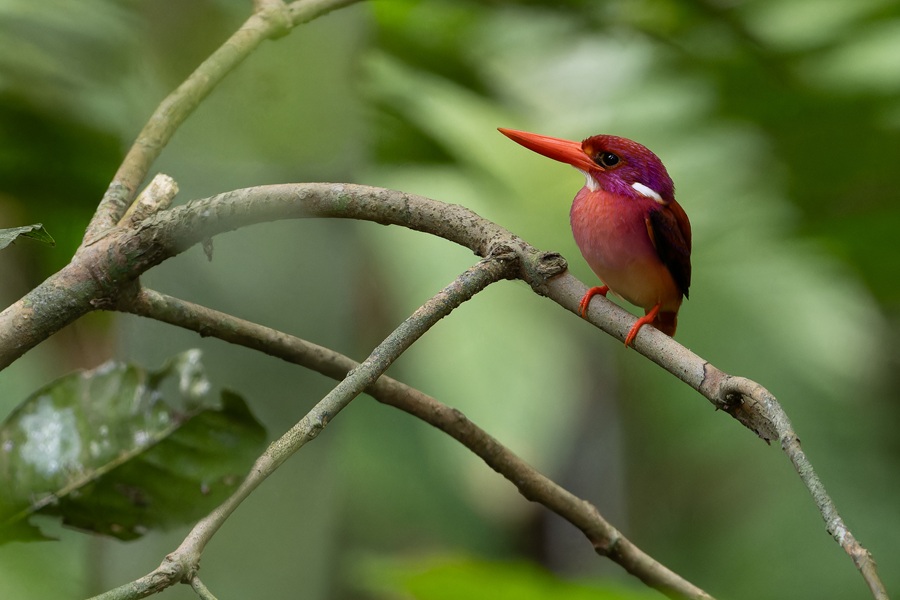
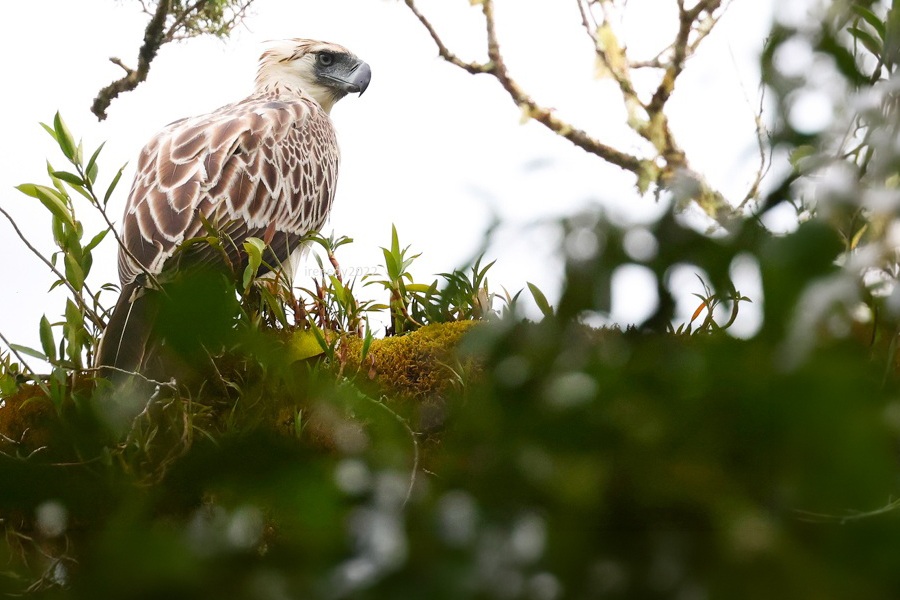
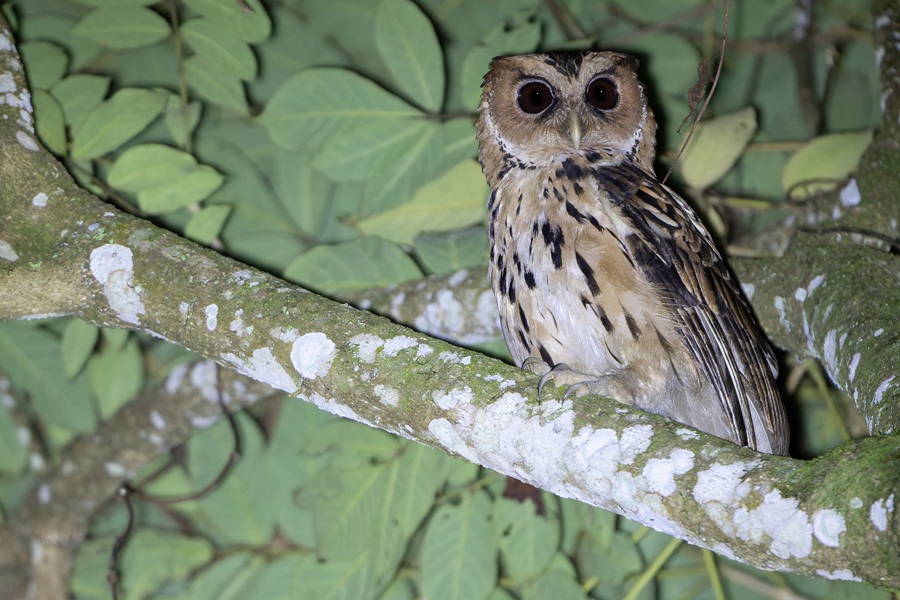
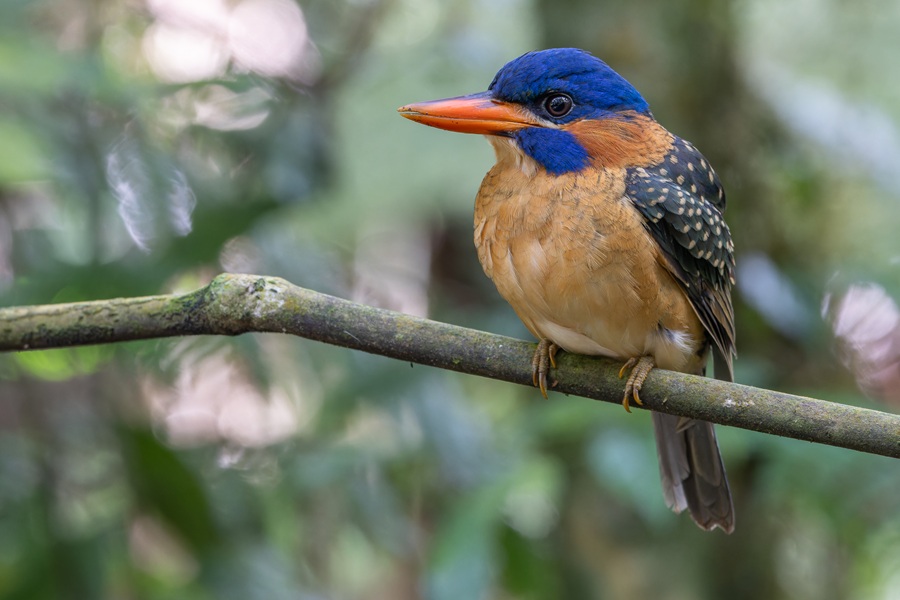
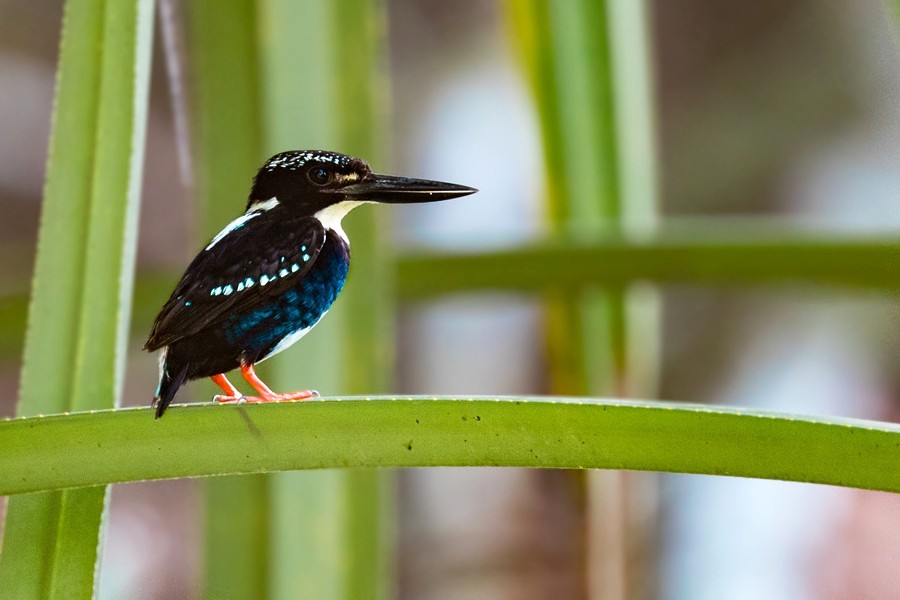
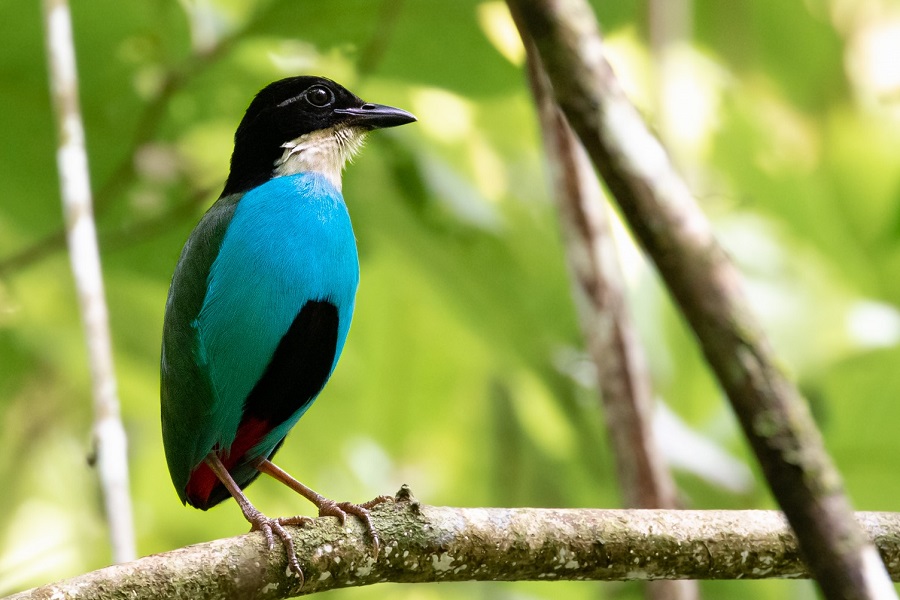
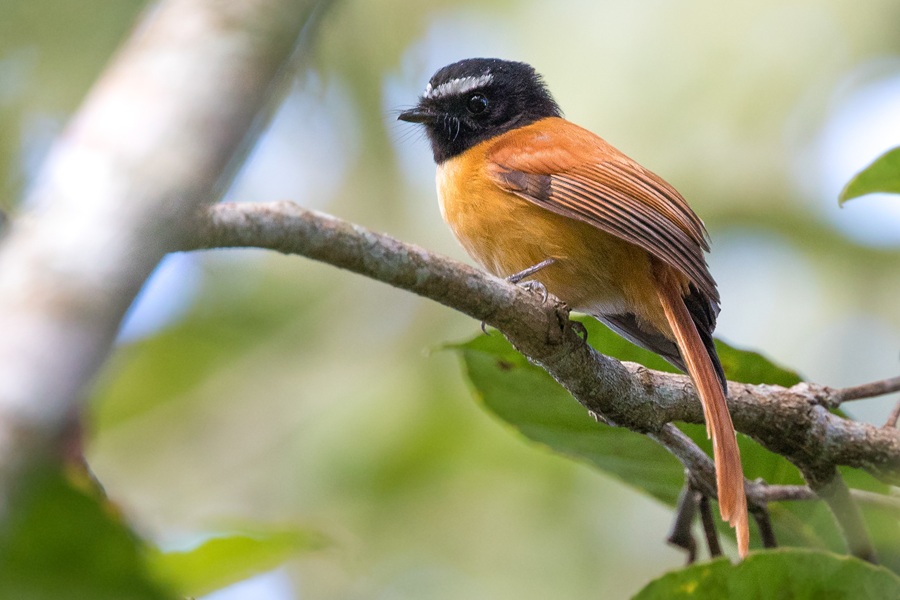
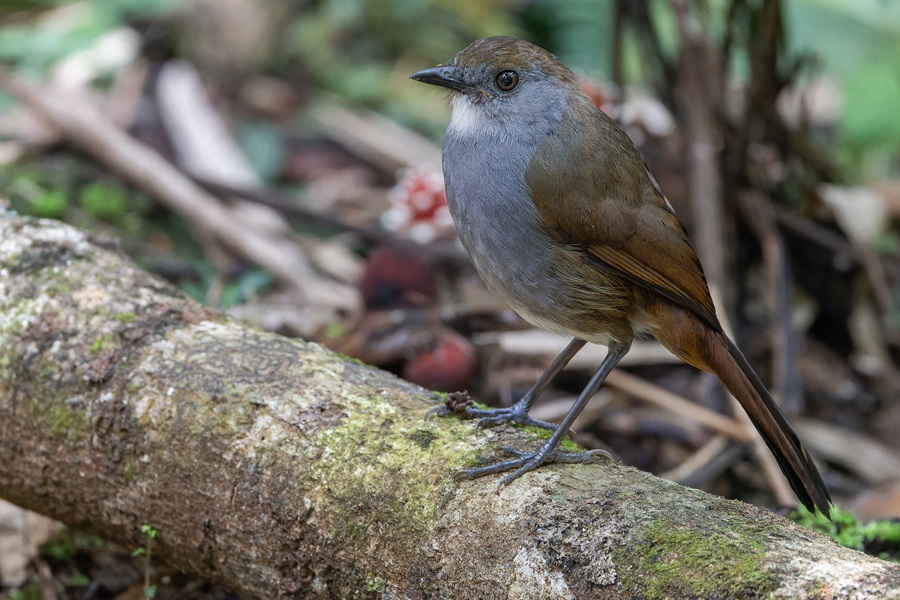
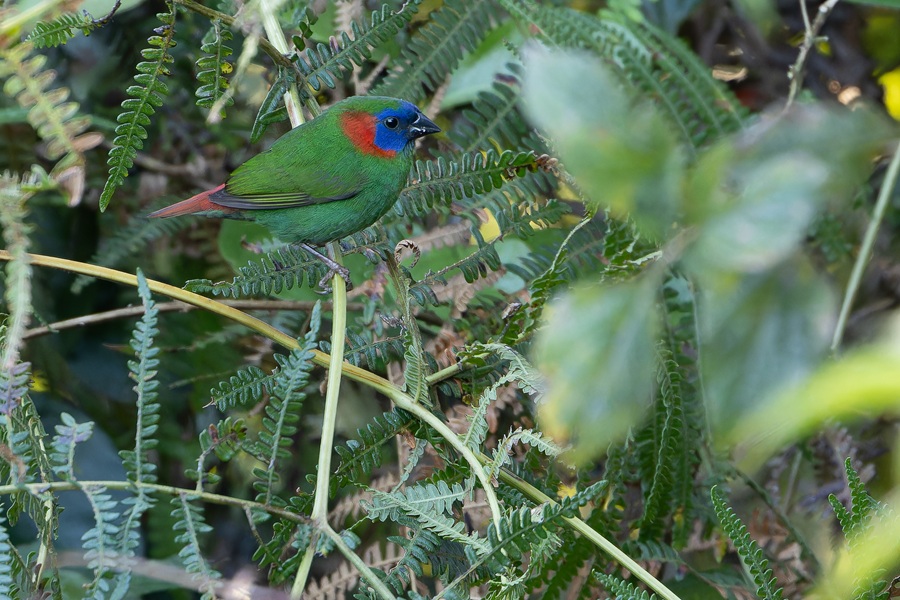
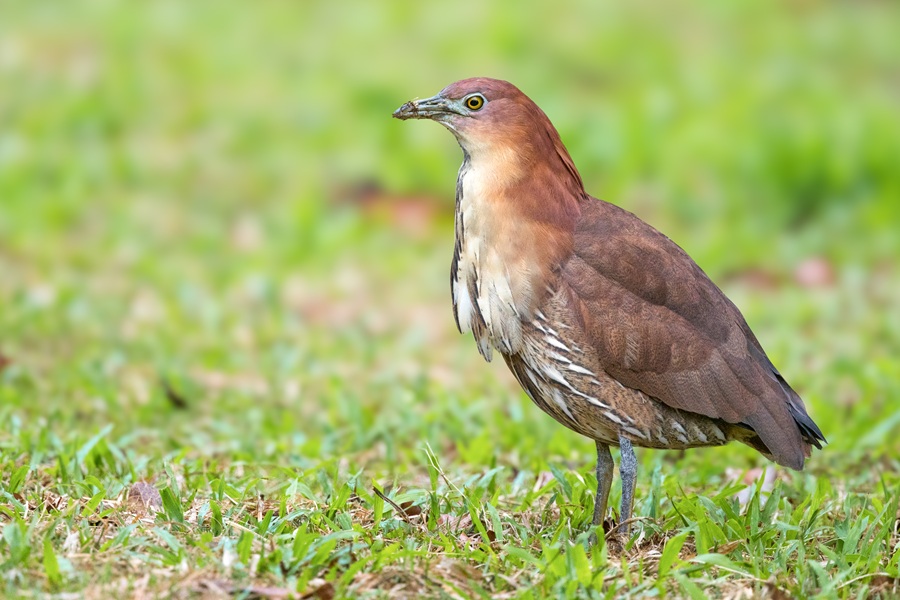
This tour focuses on finding nearly all the gettable Mindanao endemics. Birding the four corner of the island will give us a chance of finding some of Asia’s rarest birds including Philippine Eagle, Mindanao Bleeding-heart, Bukidnon Woodcock, Mindanao Scops Owl, Philippine Dwarf Kingfisher, Southern Silvery Kingfisher, Azure-breasted Pitta, Mindanao Lorikeet, Wattled Broadbill, Southern Sooty Woodpecker, the astounding Celestial Monarch, White-fronted Tit, Zamboanga Bulbul, Mindanao Miniature Babbler, Bagobo Robin, Whiskered Flowerpecker, Red-eared Parrotfinch, and maybe some rare wintering visitors like Japanese Night Heron or Chinese Crested Tern. We will also look for the three Camiguin endemics: Camiguin Boobook, Camiguin Hanging Parrot, and Camiguin Bulbul.
Next Dates
8 January - 26 January 2028 (19 days)
Leaders:
Julien Mazenauer
Group Size Limit:
7
Single Room Supplement: $
700 USD
Deposit: $
750 USD
Price: $
7200 USD
Add a Title
Leaders:
Julien Mazenauer
Group Size Limit:
Add a Title
Single Room Supplement: $
TBD
Deposit: $
TBD
Price: $
TBD
Add a Title
Accommodation:
Moderate to comfortable hotels throughout, but camping for three nights on Mount Kitanglad. Note that while we sleep in tents on the grass (provided), the area is covered by a large tarpaulin and situated next to a simple building which holds the shared facilities and dining area. This makes it much more tolerable than standard tent-only camping!
Walking difficulty:
Mostly easy to moderate roadside birding, but some harder forest trails and relatively strenuous ascents whilst birding on Mount Kitanglad.
Tour cost includes:
All accommodation, main meals, drinking water, internal flights, overland transport, tips to local drivers and guides, travel permits, entrance fees, and guide fees.
Tour cost excludes:
Flights before and after the tour start/end, visa, travel insurance, tips to tour leaders, laundry, drinks, and other items of a personal nature.
Day 1: International arrivals into Manila International Airport (MNL) for overnight at a nearby hotel.
Day 2: We will take an early morning flight to Zamboanga on the south-western tip of Mindanao, where we will spend two nights. Already we have time to spend the afternoon birding in Pasonanca Natural Park, a great site next to the city hosting most of our targets.
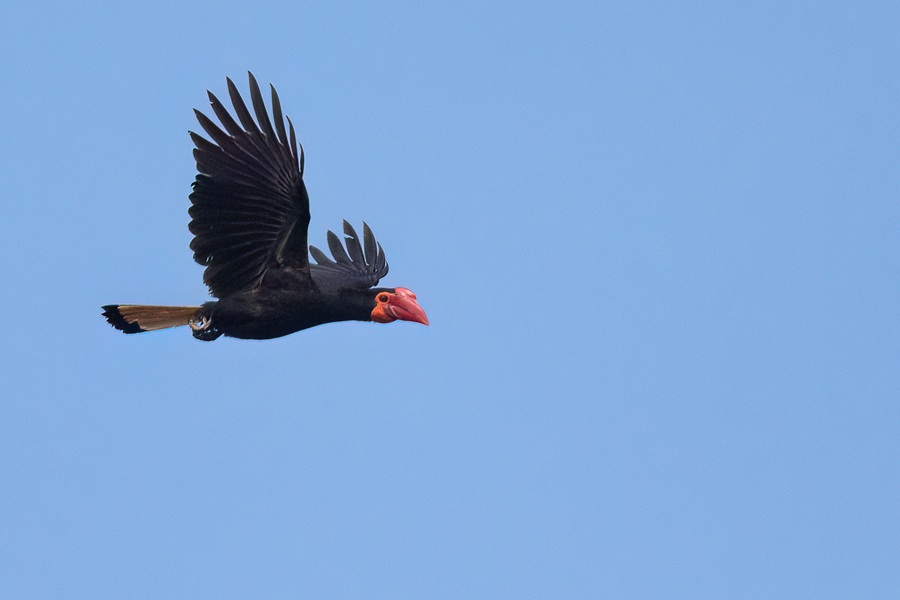
Day 3-4: The Mindanao Watershed has been mostly protected by logging as it hosts the primary water ressource for the whole city itself. We will be birding along a couple roads and trails in the Pasonanca Natural Park, in search of some seldom-seen endemics, like Zamboanga Bulbul, White-eared Tailorbird, Mindanao Wattled Broadbill, Southern Sooty Woodpecker, perhaps Philippine Dwarf Kingfisher, and a whole set of more widespread endemics like White-eared Brown Dove, Black-faced Coucal, Philippine Drongo-Cuckoo, Southern Silvery Kingfisher, Mindanao Hornbill, Philippine Falconet, Yellow-wattled Bulbul, Mindanao Blue Fantail, the odd Coleto, Red-keeled and Buzzing Flowerpecker and more. On the evening of Day 4 we fly back to Manila for an overnight (indeed, at the time of writing, no direct flights to the rest of Minanao are available from Zamboanga).
Day 5: We will take an early morning flight back south to General Santos, from where we transfert to Tboli for the next four nights. Today we’ll visit Lake Holon, not far from our hotel, and look for the increasingly scarce Mindanao Lorikeet and the recently split Tboli Sunbird, as well as other specialties like the undescribed "Matutum" Long-tailed Grasshopper Warbler, the very distinct form of Negros Leaf Warbler, McGregor’s Cuckooshrike, Philippine Spinetail, the scarce Flame-crowned, Olive-capped, Bicolored and Fire-throated Flowerpecker. In the evening, we’ll have a first chance at Everett’s Scops Owl and Mindanao Boobook.
Day 6: We’ll have another morning at Lake Holon for the targets mentioned above, before paying our first visit to Senator Ninoy Aquino.
Day 7: We’ll have a full day at Senator Ninoy Aquino (SNA), a site mostly neglected by birding tours, but which hosts some of the best lowland and foothill forest of the island. Prime targets for us will be White-fronted Tit (nowadays nowhere as reliable as here), Mindanao Bleeding-heart (the tribal land we’ll be birding hosts a healthy population of this most-wanted dove!), the scarce Spotted Imperial Pigeon, a first chance for the cosmic Celestial Monarch and fabulous Azure-breasted Pitta, Philippine and Black-faced Coucal, Yellow-breasted Fruit Dove, Southern Rufous Hornbill, Buff-spotted Flameback, Blue-capped Wood Kingfisher, Philippine Oriole, Striated Wren-Babbler, Mindanao Pygmy Babbler, Rufous-fronted Tailorbird, Black-bibbded Cicadabird, Mindanao Cuckooshrike, Black-and-white Triller, Philippine Fairy Bluebird, Rusty-crowned Babbler, "Southern" Rufous Paradise Flycatcher, Rufous-tailed Jungle Flycatcher, Cryptic and Bundok Flycatcher, Philippine Leafbird,
Day 8: With another full day at SNA, we stand more chances of seeing some of the hardest birds of the island (like Mindanao Bleeding Heart), and this will provide us with a back-up for Mindanao Wattled Broadbill.
Day 9: An early start will see us birding at Lake Agco, further north, mostly in search of Mindanao Miniature Babbler and Whiskered Flowerpecker, but there will be much more in attendance like Mindanao Hornbill, Yellow-breasted Fruit Dove, Sulphur-billed Nuthatch, Bicolored, Buzzing, Orange-bellied and Fire-throated Flowerpecker, Grey-hooded Sunbird and more. Philippine Eagle has even been recorded in the past in this area! We will then transfer to Davao for an overnight stay. The ground of our hotel has been hosting a few wintering Japanese Night Herons in recent years, and we will make sure to look for it during our time here. The place is also great for Cryptic Flycatcher, and at night, the fabulous Giant Scops Owl and Everett’s Scops Owls are around.
Day 10: This morning, we will target anything we would still need in the Davao area like perhaps Philippine Dwarf Kingfisher, plus pay a visit to some coastal mudflats full of waders and where usually one or two Chinese Crested Terns spend their winters, before continuing to the Compostela Valley for an overnight stay. This evening, we will be looking for the seldom-seen Mindanao Scops Owl and Bukidnon Woodcock.
Day 11: We will have a full morning birding at the Compostela Valley. The beautiful and localised Lina’s Sunbird is easily found by the roadside, and we’ll be on the lookout for the local subspecies of McGregor’s Cuckooshrike, Long-tailed Grasshopper Warbler, Red-eared Parrotfinch or even Mindanao Brown Dove. After lunch, we’ll move on to PICOP for a three-night stay.
Day 12-13: Two full days birding the selectively logged lowland forest at PICOP will allow us to complete most of the lowland endemics of the island, and give us our best chance at Celestial Monarch, another chance at Mindanao Wattled Broadbill, and more endemics such as Pinsker’s Hawk-Eagle, Amethyst Brown Dove, Pink-bellied Imperial Pigeon, Writhed Hornbill, Rufous-lored Kingfisher, the most-wanted Azure-breasted and Philippine Pitta, Short-crested Monarch, Black-headed Tailorbird, Little Slaty Flycatcher, Rufous-tailed Jungle Flycatcher, and more. In the evening, we stand more chances of finding Everett’s and Giant Scops Owl, Mindanao and Chocolate Boobook and Philippine Frogmouth.
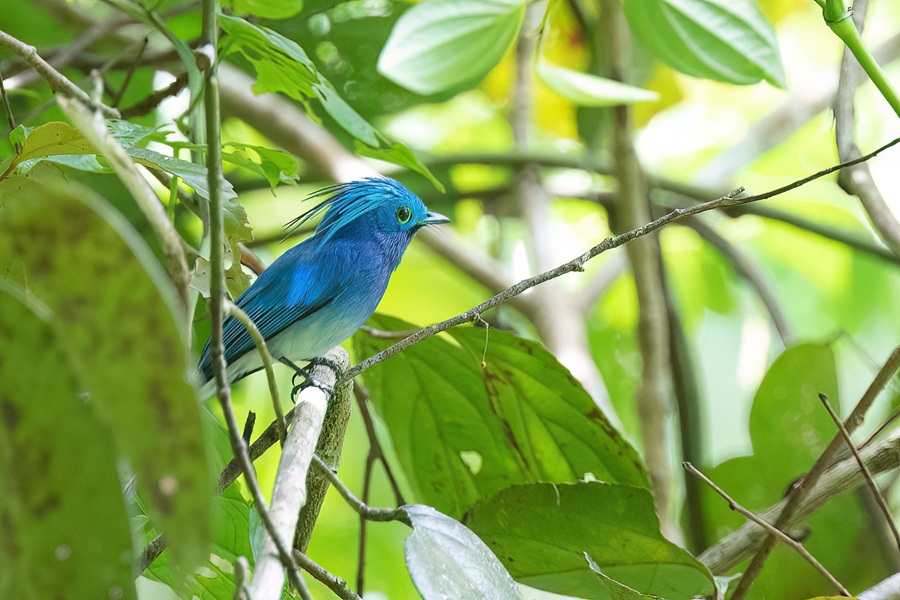
Day 14: Today we’ll transfert to Balingoan and take a ferry to Camiguin, where we will overnight. We will have time to look for the three single-island endemics, Camiguin Hanging Parrot, Camiguin Bulbul and Camiguin Boobook (in the evening). There is much more on offer though, like Dimorphic Dwarf Kingfisher (commoner here than anywhere else!), Rufous-lored Kingfisher, Writhed Hornbill, Rufous-crowned Bee-eater, Philippine Pitta, Philippine Magpie-Robin, a distinctive Black-naped Monarch and Yellowish White-eye subspecies and more widespread birds like Purple-throated Sunbird and "Southern" Rufous Paradise Flycatcher.
Day 15: We will have a morning birding on Camiguin, before taking the ferry back to Balingoan and then onwards to Cagayan de Oro for an overnight.
Day 16: This morning we will visit the Mapawa Nature Park in search of Philippine Dwarf Kingfisher at the most reliable site for this purplish gem, before transfering towards Mount Kitanglad. There is sometimes also a hide for Bagobo Babbler in the area, which we will visit if it is active during our stay! We will then be hiking up Mt Kitanglad for three nights of camping.
Day 17-18: Two full days on Mt Kitanglad will give us good chances to connect with the majestic Philippine Eagle, star of the place! Many of the higher elevation endemics also occur here, and we’ll make sure to explore all elevations for species like Mindanao Racquet-tail, the strange Apo Myna, McGregor’s Cuckooshrike, Mindanao White-eye, the beautiful Black-and-cinnamon Fantail, Philippine Shortwing, Long-tailed Bush Warbler, Stripe-breasted Rhabdornis, Cinnamon Ibon, Red-eared Parrotfinch, Rufous-headed Tailorbird, Grey-hooded and the scarce Apo Sunbird, but also more widespread Philippine endemics like the globally scarce Mountain Shrike, Elegant Tit, Yellow-bellied Whistler, Sulphur-billed Nuthatch, and many more. Goodfellow’s Jungle Flycatcher has also been recorded on Mt Kitanglad, but we stand only a slim chance of connecting with this seldom-seen endemic.
At night, Bukidnon Woodcock usually rode right next to our campsite, while Giant and Everett’s Scops Owls, Mindanao Boobook and Philippine Frogmouth lurk in the dense forest. If needed, we will make an attempt at Mindanao Scops Owl higher up, but that will require a 2am hike up in the dark in order to reach their prefered habitat!
Day 19: Today, after hiking down and driving back to Davao, we will take an afternoon flight for the tour end this evening back at Manila International Airport (MNL)
NOTE: Should the nest of a Philippine Eagle pair be found prior to our tour, we will divert the itinerary to make it fit. Ideally we want to enjoy the best possible views of this amazing species if available!