Mongolia: Far East Migration
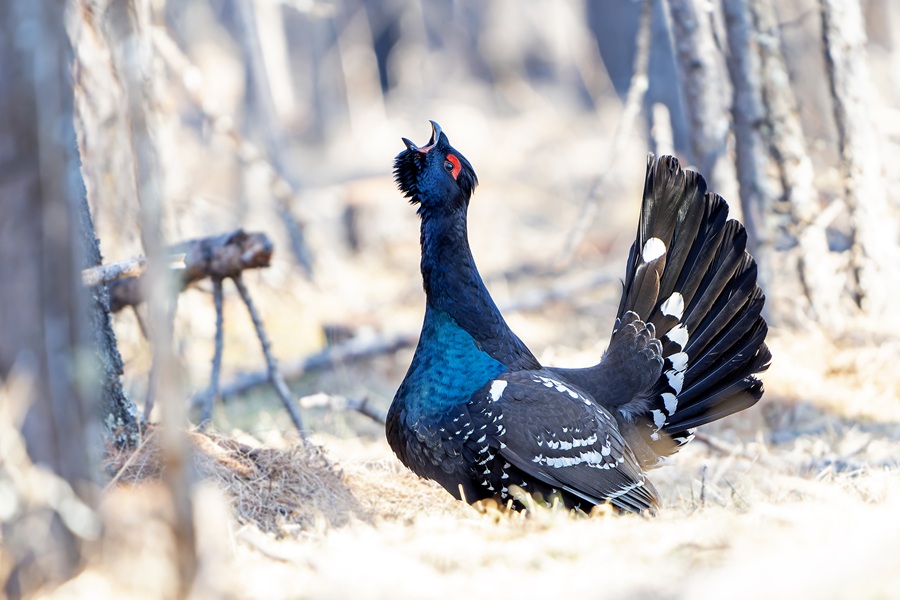
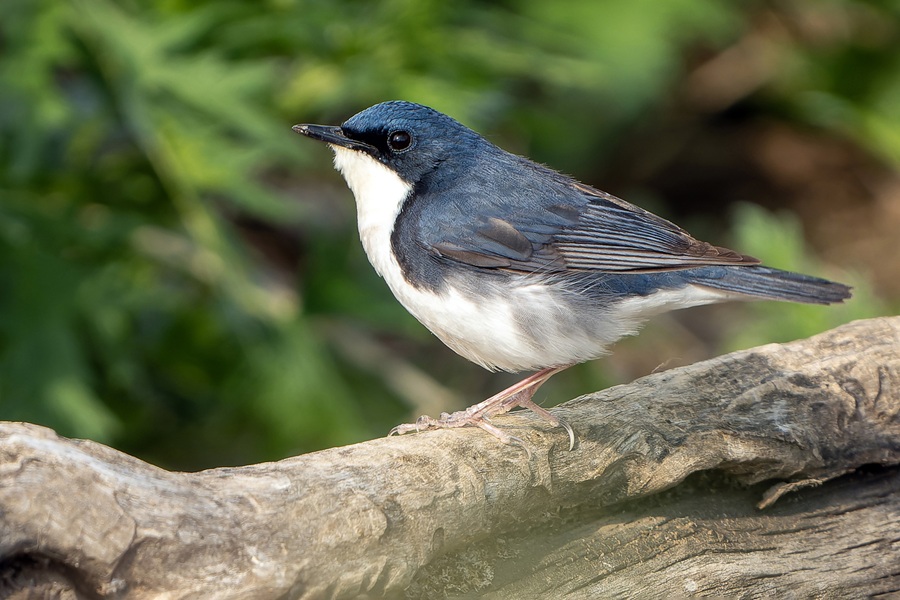
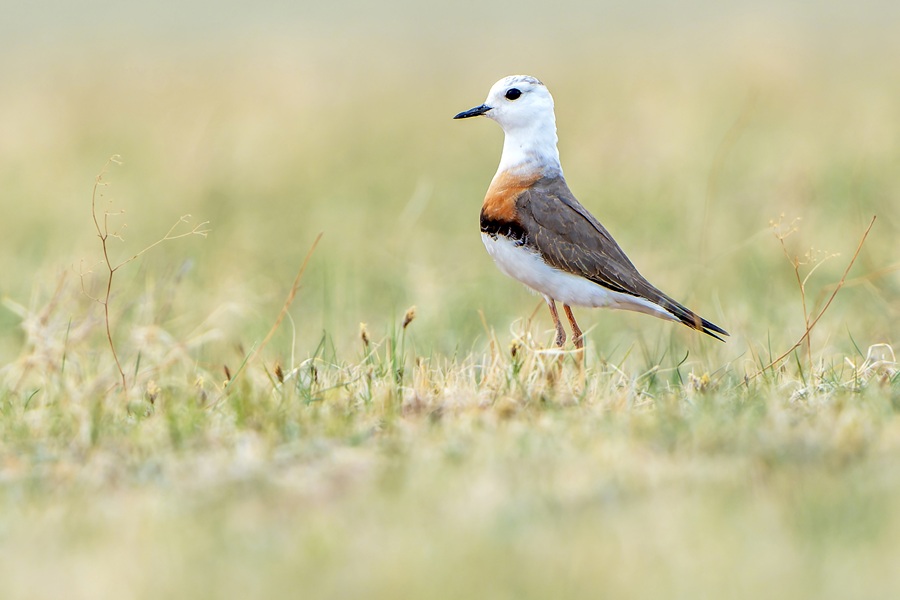
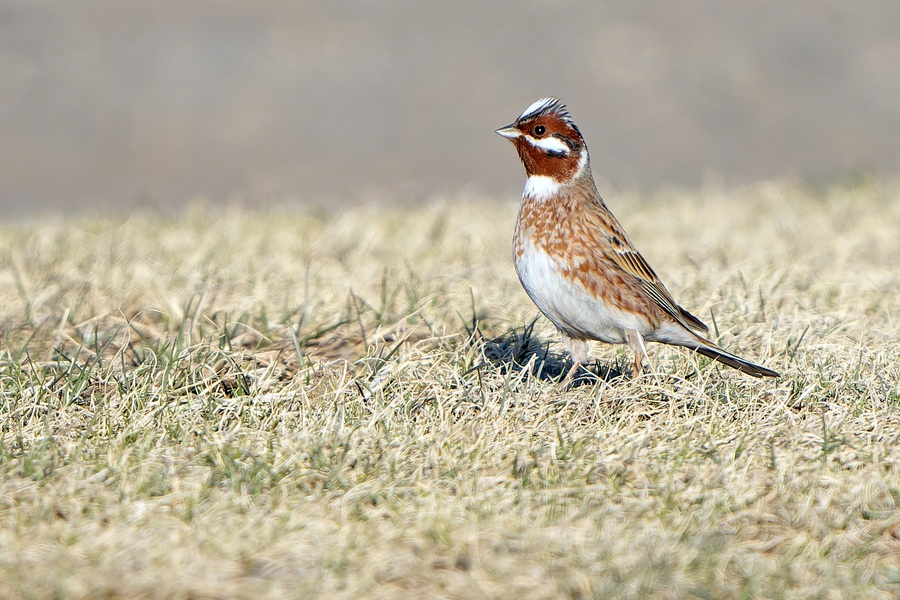
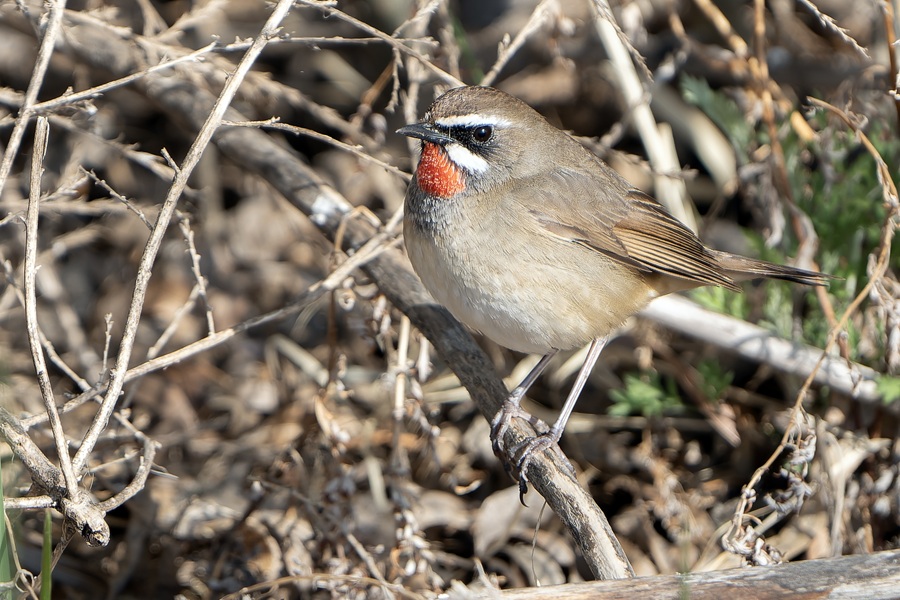
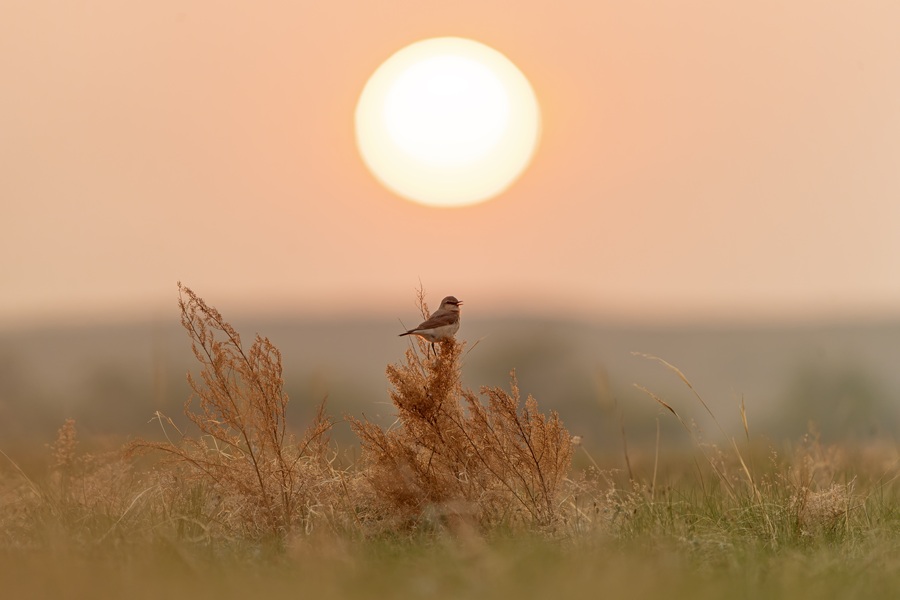
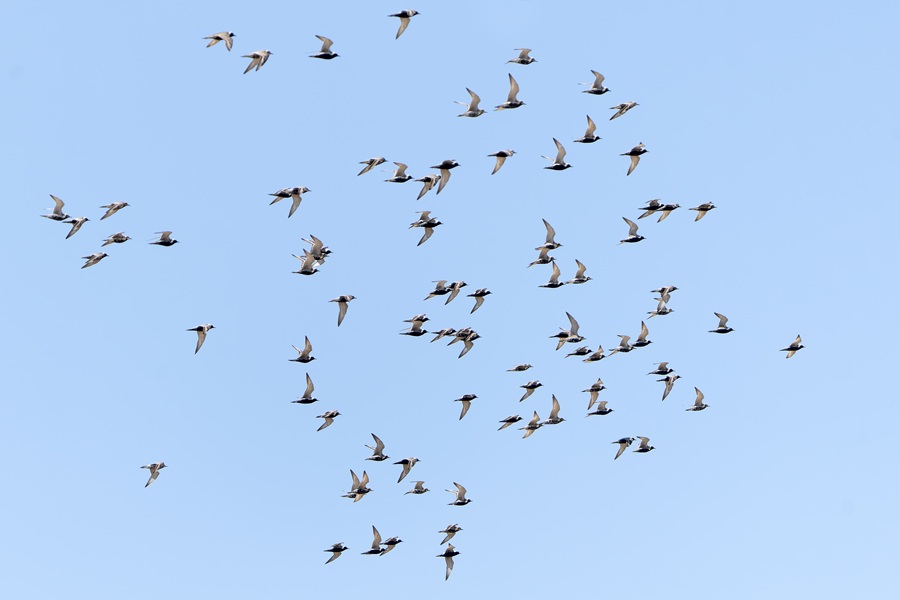
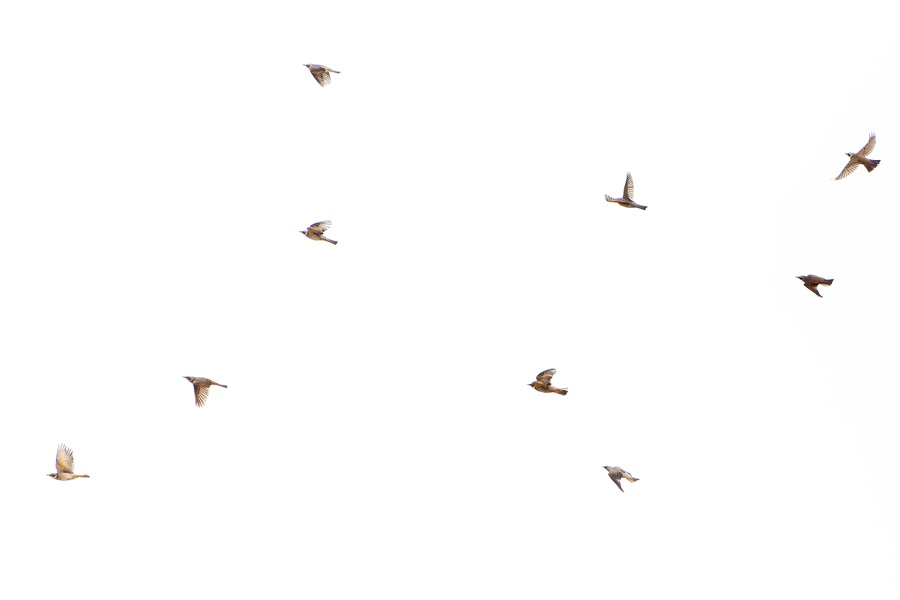
Few things can rival the experience of witnessing a large fall of "Sibes", perhaps including hundreds of Siberian Blue Robin hopping around your tents, unconcerned by the presence of humans. Carefully timed to encounter big numbers of migrants, species compositions and numbers will be changing from day to day as shorebirds, thrushes, flycatchers, warblers and buntings all head north. We will also enjoy lekking Black-billed Capercaillies, displaying Oriental Plovers, passage Relict Gulls, and threatened Rufous-backed Buntings at a recently discovered site. After departing the capital there will be no roads as we cross the wilderness, our expert logistical team always ahead of us to set up camp so we can focus on enjoying the magnificent scenery and wildlife on this true remote adventure!
Next Dates
13 May - 29 May 2028 (17 days)
Leaders:
Daniel López-Velasco
Group Size Limit:
7
Single Room Supplement: $
200 USD
Deposit: $
750 USD
Price: $
6200 USD
Add a Title
Leaders:
Daniel López-Velasco
Group Size Limit:
Add a Title
Single Room Supplement: $
TBD
Deposit: $
TBD
Price: $
TBD
Add a Title
Accommodation:
The hotels in Ulaanbaatar will be of good quality. When camping we will use high-quality North Face tents, as well as warm sleeping bags and comfortable inflatable mattresses (all provided by our ground agent). We will have assistants to set up the tents each night, but may ask group members to help with erecting and dismantling (an easy and rapid task) on those rare occasions when the camp crew have limited time or if the weather quickly deteriorates.
The single room supplement only applies to hotel rooms when in or near Ulaanbaatar. All other nights are accommodated in single tents for everyone. Note that sometimes we have the option for a couple of nights at more permanent camps using large and comfortable Gers with beds, but sharing is usually necessary for those who wish to occupy a Ger rather than their usual single tent.
Walking difficulty:
Mostly easy, but probably with some moderate uphill walking as we explore.
Tour cost includes:
All accommodation, main meals, drinking water, overland transport, tips to local drivers and guides, travel permits, entrance fees, and guide fees.
Tour cost excludes:
Flights before and after the tour start/end, visa, travel insurance, tips to tour leaders, laundry, drinks, and other items of a personal nature.


IMPORTANT: Having flexibility during this tour is essential for seeing as many migrants as possible. Our itinerary is designed to be modified on the fly, and the exact route we take will depend on the weather forecast and seasonal conditions. Please note that this is a special tour where we are going to be focused on enjoying migration, which by definition is unpredictable. There will be some days with a lot more birds than others! Our other Mongolia tours include Classic Specialties bird tours and Snow Leopard mammal tours.
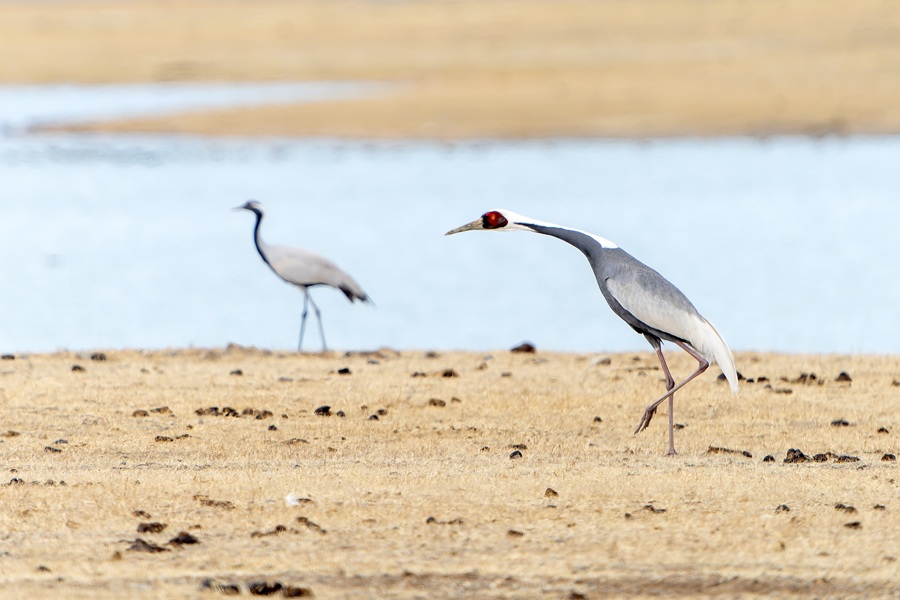
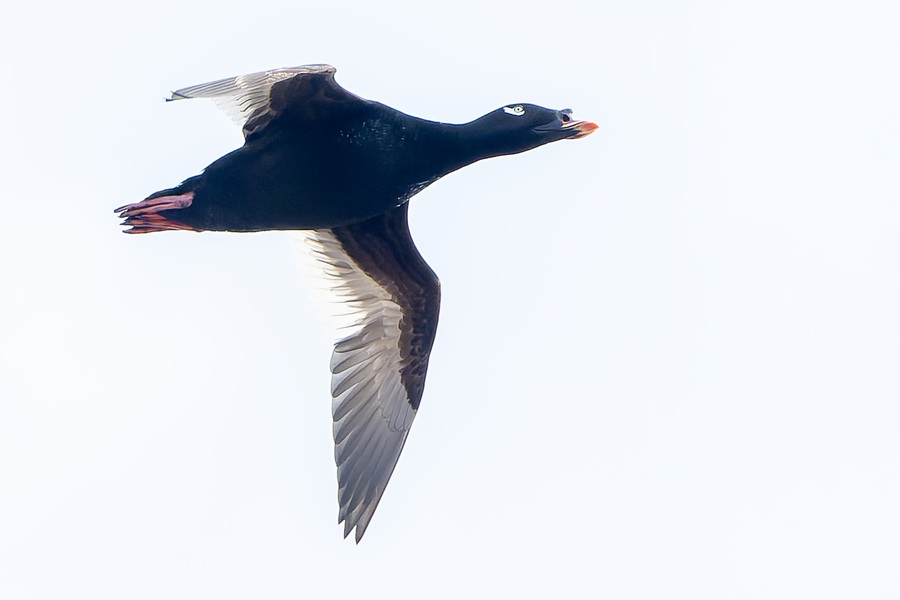
Day 1: The tour starts early this morning at Ulaanbaatar International Airport (UBN). From there we will drive to Gun Galuut Nature Reserve, where the lake and surroundings should produce White-naped Crane, Demoiselle Crane, a variety of waterfowl including Stejneger's Scoter, various shorebird species, our first Mongolian Larks, and more. In the afternoon we will head towards Terelij National Park. Night camping.
Day 2: All morning in the forest at the best stakeout for Black-billed Capercaillie, where we should enjoy superb views of these incredible birds. We have a very good chance of seeing multiple males displaying, often at very close range! Other birds in the area include Hazel Grouse, Red-flanked Bluetail, Red-throated Thrush, Olive-backed Pipit and Pine Bunting. We will then start driving east, seeing Steppe Eagles, Upland Buzzards and Daurian Jackdaws on the way, making a stop at Murun Plantation. Here we should see good numbers of migrants that might include several thrushes, buntings and warblers. Night camping.
Day 3: We will carry on driving east, stopping at another plantation functioning as a migrant trap before passing by the city of Choibalsan. After buying supplies, we will continue off road through the vast Mongolian-Manchurian grassland, seeing more Mongolian Lark, Asian Short-toed Lark, Blyth's Pipit, and others, as well as large herds of Mongolian Gazelle. Before reaching our campsite in the late afternoon we will pay a visit to some nearby plains where Oriental Plover breed, and we should see them doing their striking petrel-like display flights. Night camping.
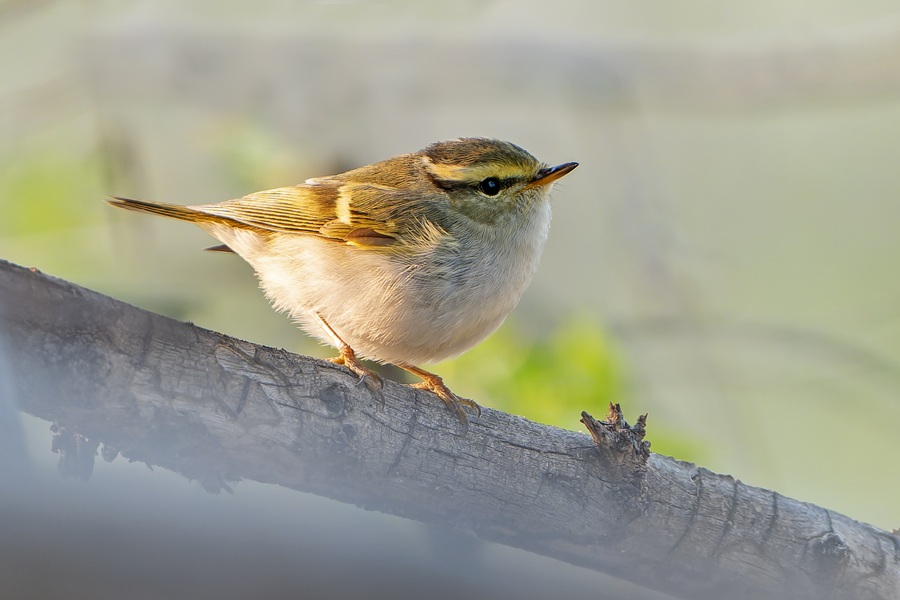
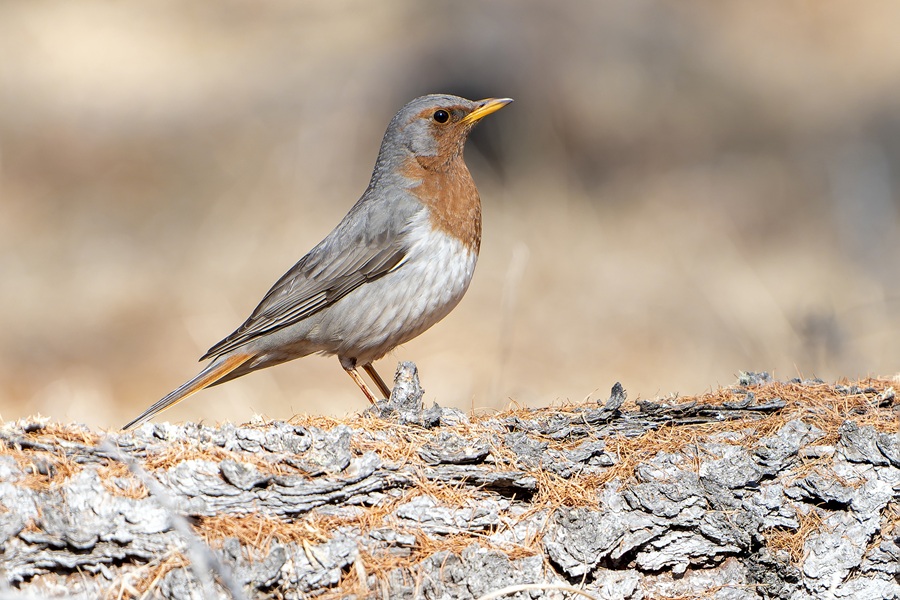
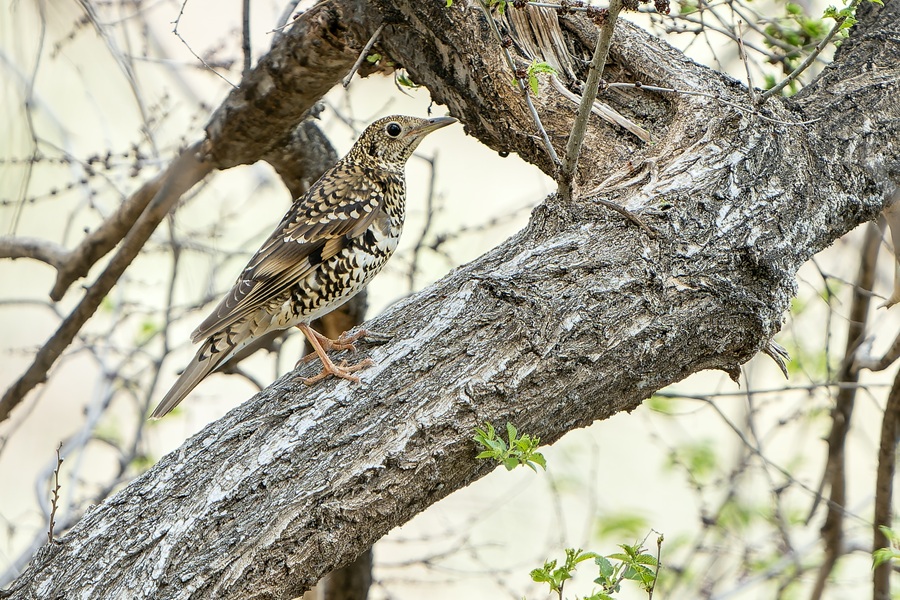
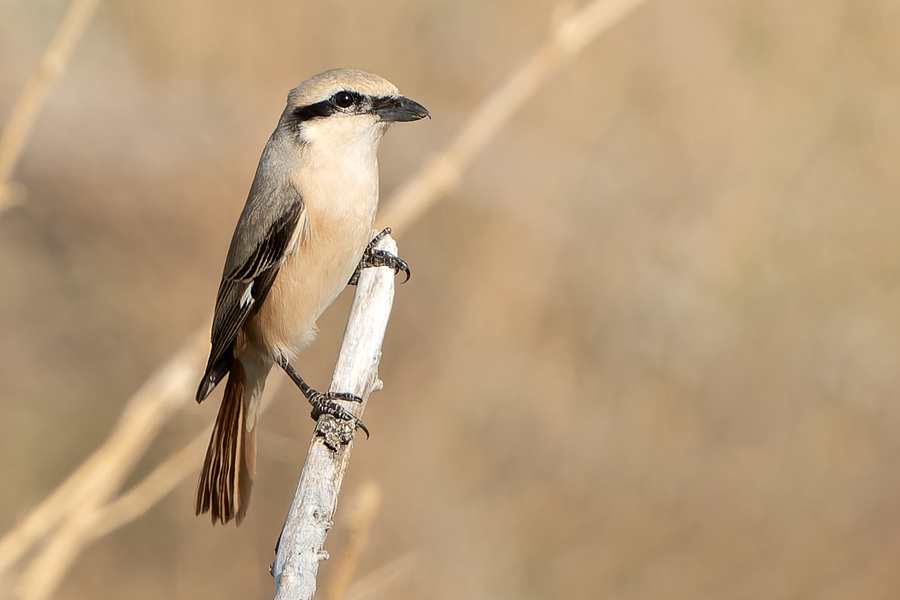
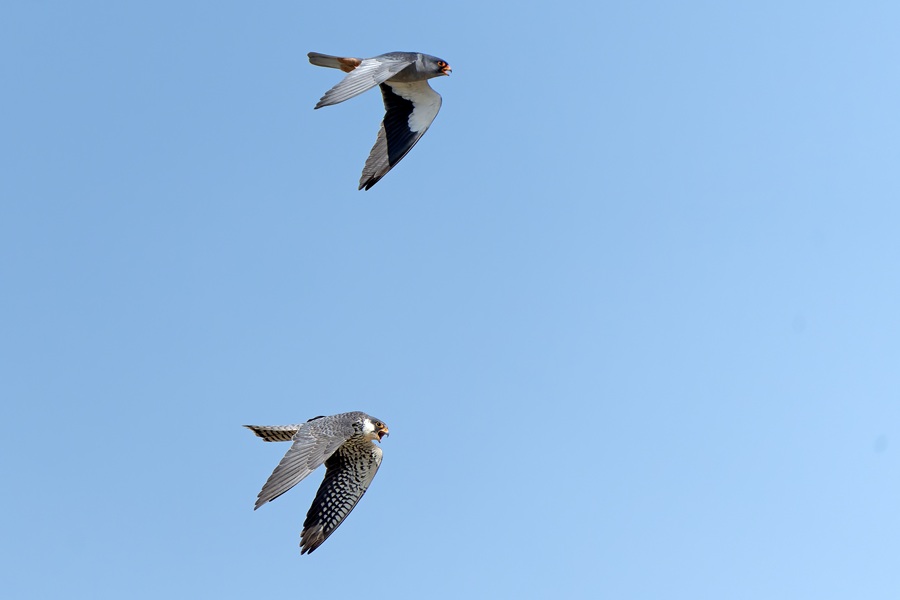
Day 4: Exploring Elm Tree Valley and surroundings. This valley comprises a series of shallow, narrow canyons with rather open thickets of elm trees (unusual in this region where trees are largely absent) which act as a magnet for migrants. In mid May the trees will have few leaves, making spotting bird quite easy. Raptors are common here: a small colony of Amur Falcons will entertain us right next to the tents, a pair of Saker Falcons usually nests nearby, and Japanese Sparrowhawk constantly fly up and down the valley in search of prey. Thrushes, including White's, Eyebrowed, Naumann's, Dusky, and hybrids will be on the move, while we should also encounter Taiga Flycatcher, Amur Stonechats, Isabelline Shrike, Brown Shrike, Yellow-browed Warbler, Pallas's Warbler, Dusky Warbler, Siberian Rubythroat, Oriental Greenfinch, plus Tristram's Bunting, Black-faced Bunting, Little Bunting, Chestnut Bunting, and Pallas's Reed Bunting. If lucky, we might find a late Siberian Accentor or some White-crowned Penduline Tit. Night camping.
Day 5: After some morning birding in the valley again we will start driving southeast towards the extensive Buir Nuur Lake, located close to the border with China. Once we reach its shores we will set up our campsite at this magical place, where Richard's Pipits are common, and start exploring the bird-rich area. Night camping.
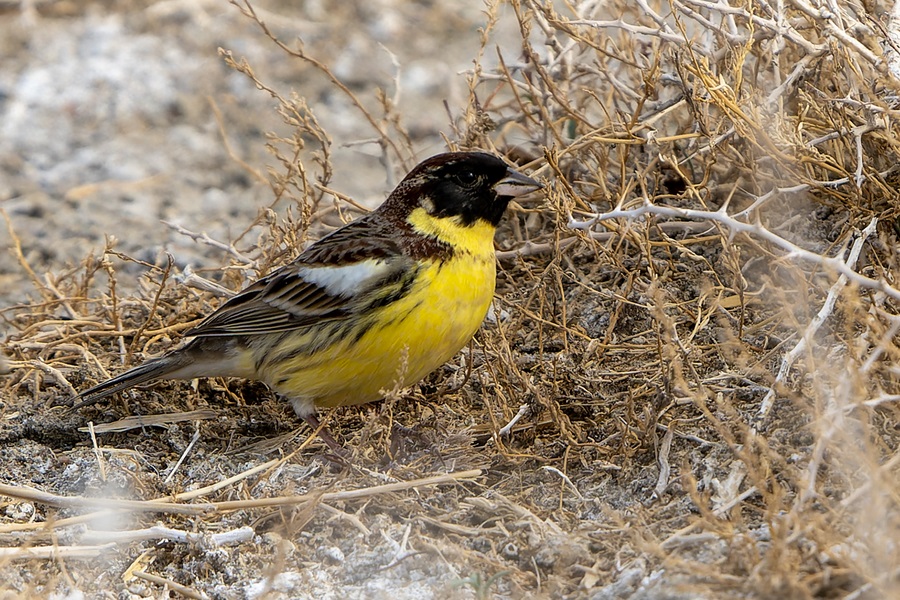
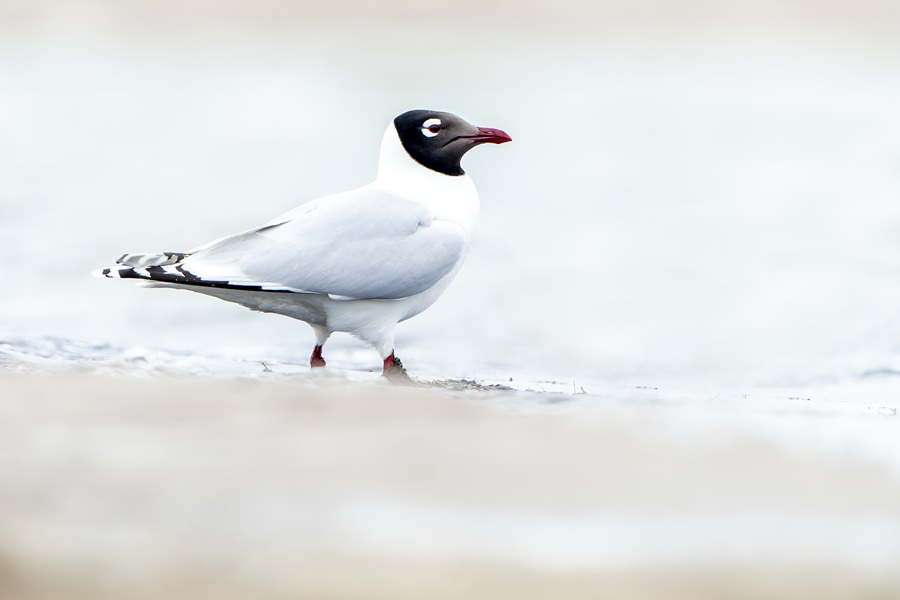
Days 6-7: If water levels are right, we will spend two days checking the main lake, its surrounding lagoons, and a narrow strip of willows. A good variety of shorebirds in breeding plumage should be found at the shallower areas, hopefully including Asian Dowitcher as well as Long-toed Stint, Red-necked Stint, Pacific Golden Plover, and Siberian Sand-Plover. Amongst the ducks present we hope to find both Falcated Teal and Baikal Teal, while Swan Goose and "real" Mute Swans are widespread. This lake tends to be a reliable place at this time of the year to see Relict Gulls, on their way to their breeding grounds in western Mongolia, sometimes even flying above our tents! Migrant passerines we might see include Yellow-breasted Buntings, Siberian Pipit, taivana Eastern Yellow Wagtail, plus many of the birds already mentioned from previous days, but surely some new species too. Numbers of migrants can significantly change from day to day (and even within hours) here, with big numbers of one species one day, completely replaced by another the next day. Night camping.
Day 8: After some early morning birding we will head towards a remote area of low hills that rise from the vast steppe where the threatened Rufous-backed Bunting (AKA Jankowski's Bunting) was found back in 2019. This species was previously thought to be restricted to a handful of sites in northern China, and it remains one of Asia's most Endangered birds. We aim to reach the place by the late afternoon, in time for some initial exploration of the area. Night camping.
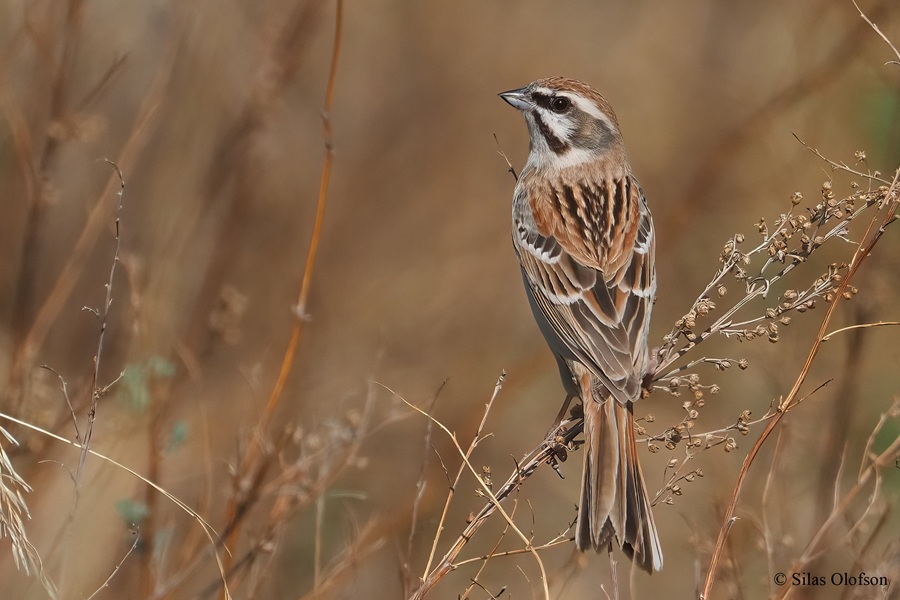
Day 9: We will spend one full day birding in this area, getting good views of our target buntings, while Meadow, Yellow-throated, or Yellow-browed Buntings could all turn up, together with many other migrants like perhaps early Thick-billed Warblers. While uncommon, Radde's Warbler and Yellow-rumped Flycatcher are also possible. These hills are home to the declining Daurian Partridge too, while Japanese Quails are usually found in the nearby grassland. Night camping.
Day 10: Early morning birding around the campsite. Afterwards we will make our way back to Elm Tree Valley, where a week's difference will undoubtedly mean a very different set of migrants - and more leaves too! Night camping.
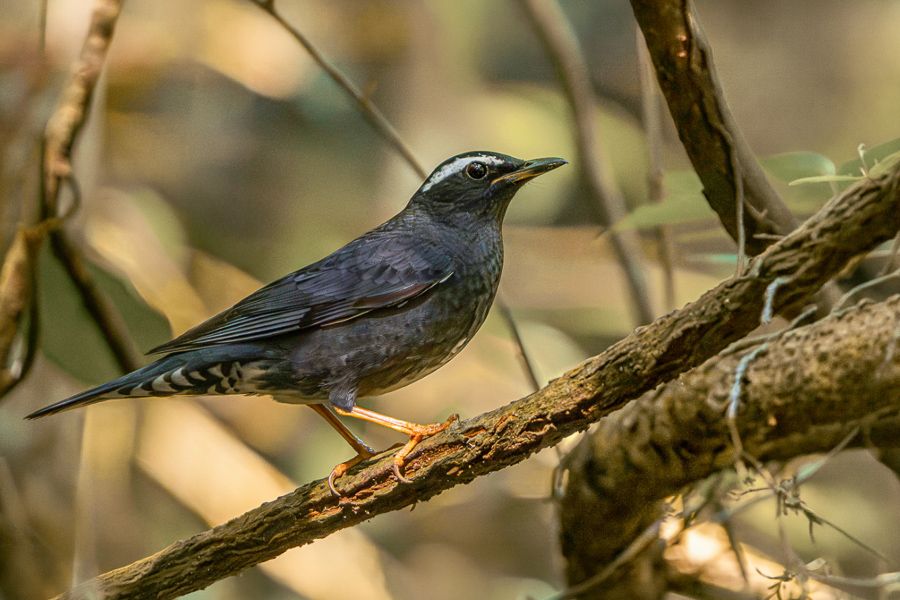
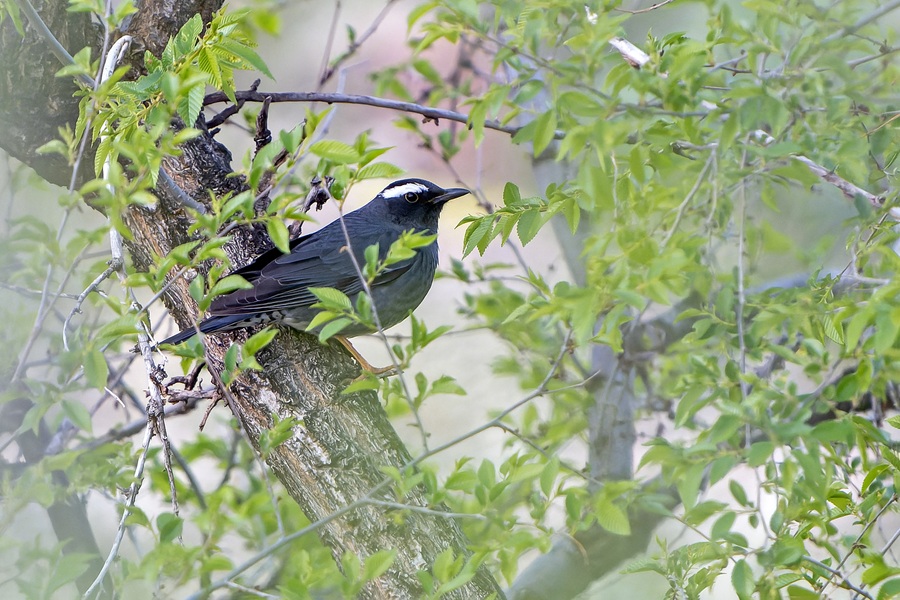
Days 11-12: If we are lucky we might experience a large fall of Siberian Blue Robin (such as the one we had in similar dates in May 2024, where up to 750 birds were counted), while late-season Phylloscopus warblers such as Arctic and Two-barred should now be present, as well as Dark-sided Flycatcher, Asian Brown Flycatcher, and maybe Pallas's Grasshopper Warbler or Lanceolated Warbler. Oriental Cuckoo, more buntings, and perhaps a retiring but stunning Siberian Thrush or uncommon White-throated Rock Thrush could be found. Night camping.
Day 13: After some final morning birding, we will embark on a long drive northwest, towards Khurkh Valley, where we hope to arrive late afternoon in time for some initial exploration of the area. Night camping.
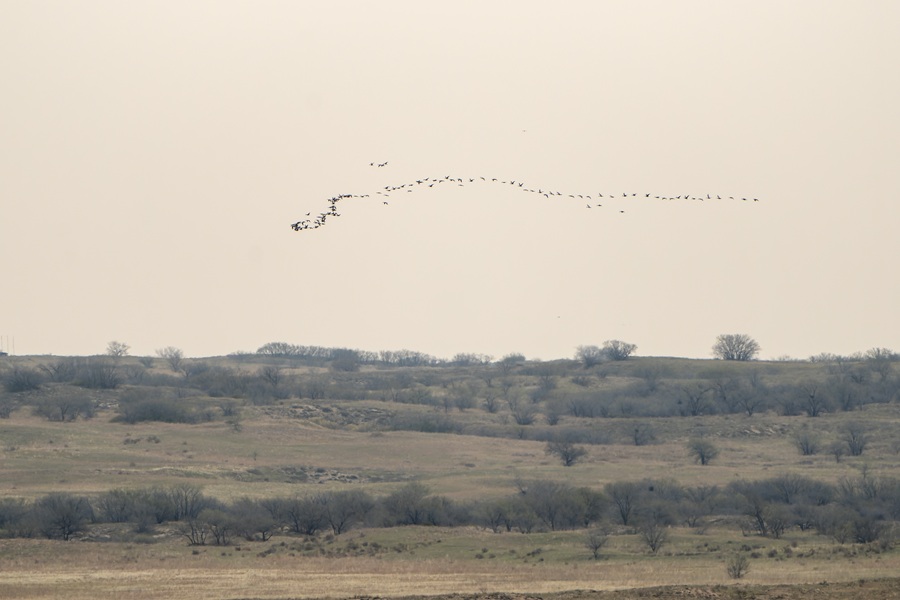
Day 14-15: This extensive valley with scattered wetlands is a very important place for both migrating and breeding cranes. Hooded Crane is regular in the spring, and we also hope to see the Critically Endangered Siberian Crane, which is quite reliable here (albeit in very small numbers at this time of the year). The valley is also a very good place for migrants, which should keep us entertained while we search for cranes. We also aim to pay a visit to a nearby bird ringing station to see some species up-close. Night camping.
Day 16: We’ll spend the morning birding again in Khurkh Valley, then depart in time to arrive in Ulaanbaatar and our comfortable hotel for dinner. Night in Ulaanbaatar.
Day 17: Morning transfers to Ulaanbaatar International Airport (UBN) for international departures.